
Last updated November 22, 2026
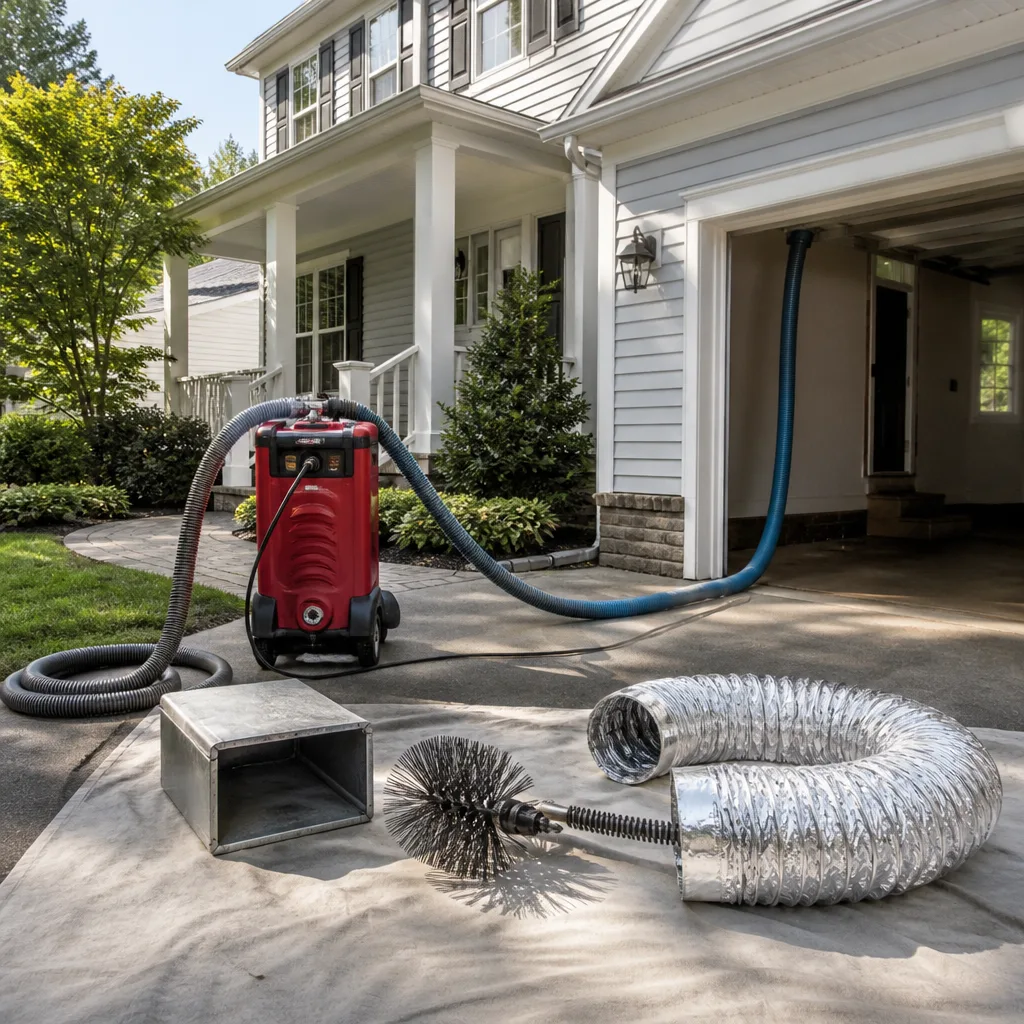 Whole-home duct cleaning
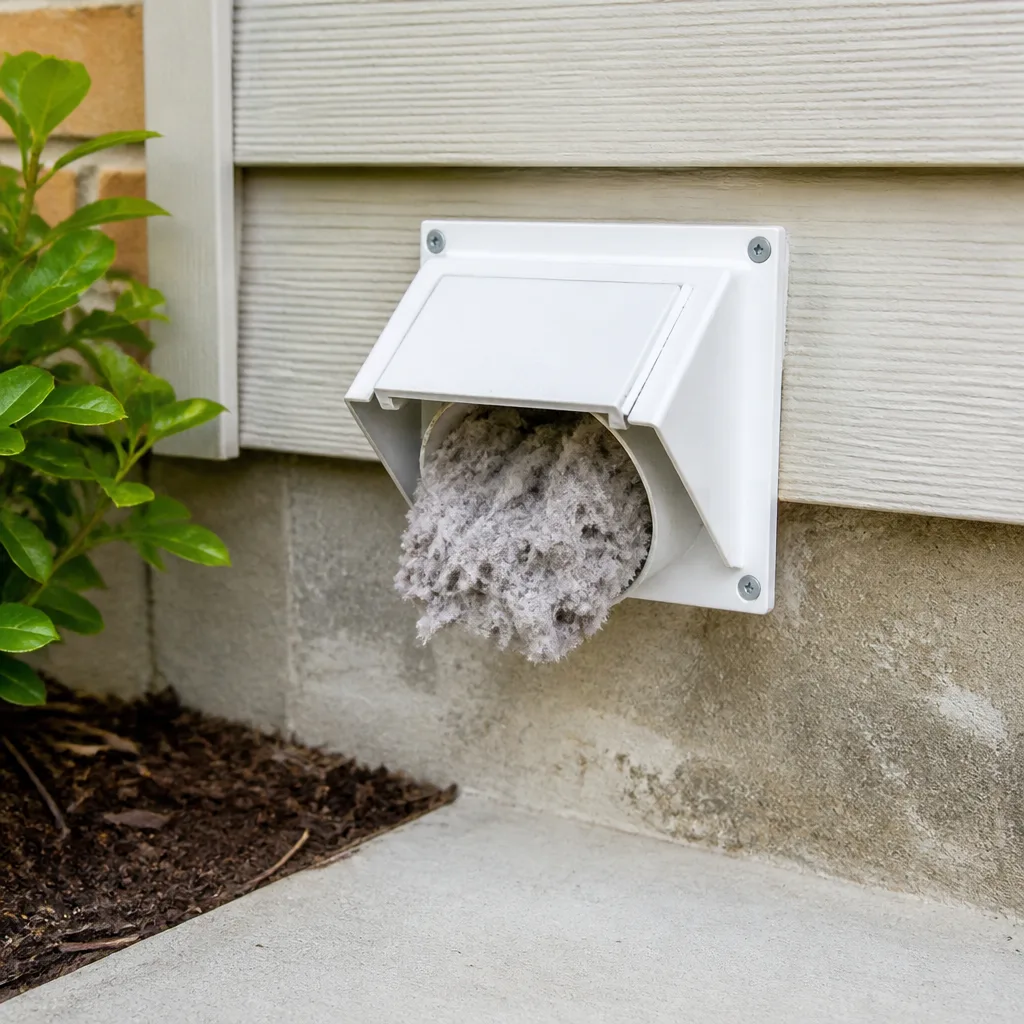 Dryer vent cleaning
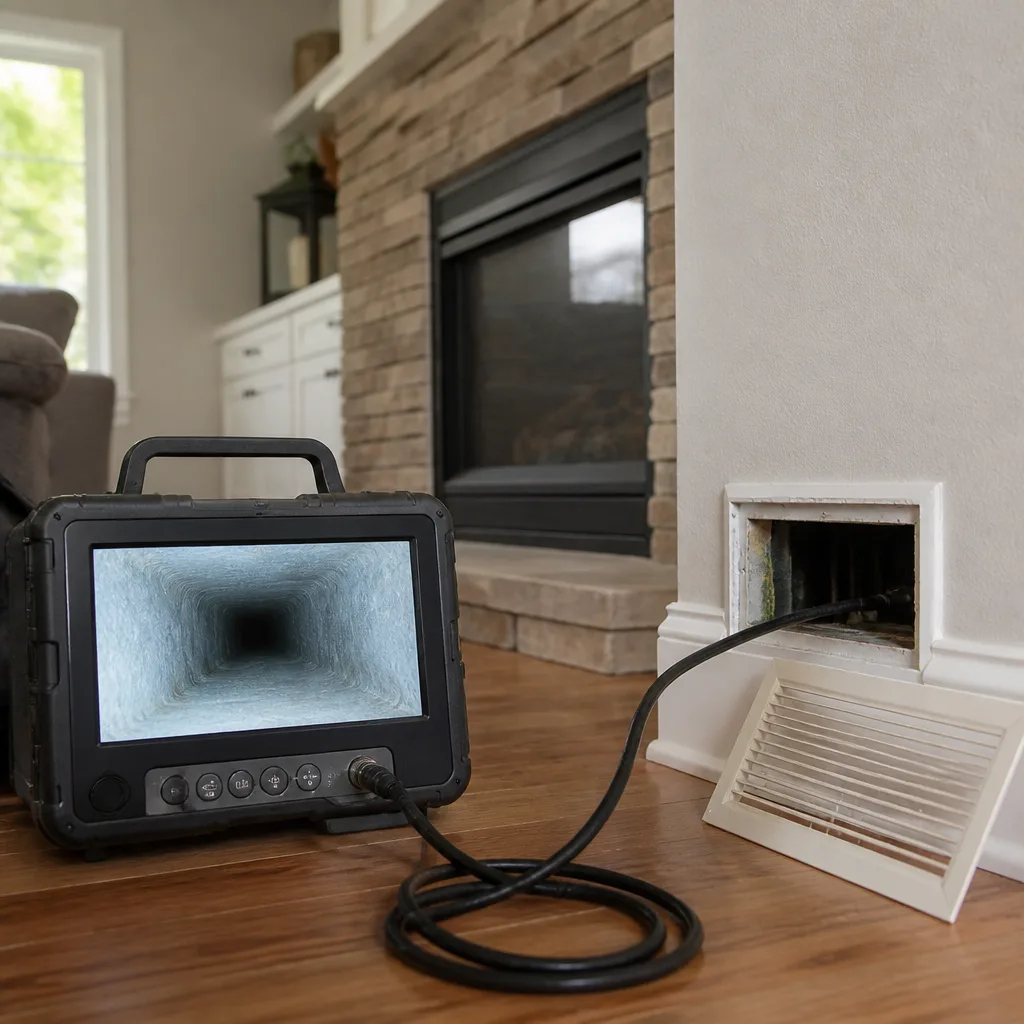 Camera inspection
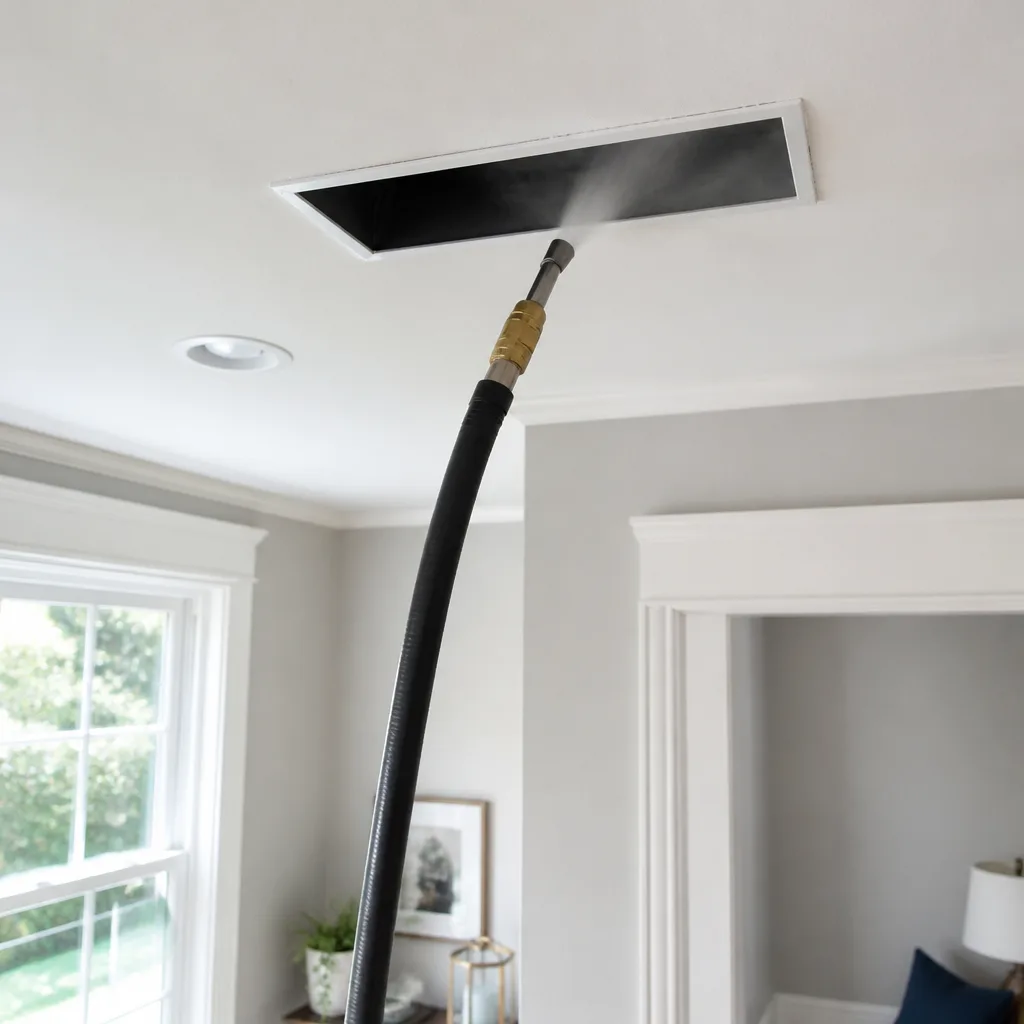 Sanitizing & deodorizing
Whole-system duct and dryer vent check with before-and-after photos - you see exactly what came out of your vents
That "$99 whole-house special" is a bait ad - the real number appears once they are in your hallway, or the "clean" is a shop-vac at the register. We photograph the inside of your ducts before and after instead.
Air Duct Cleaning Maintenance Schedule: What to Do and When
The “every 3 to 5 years” rule most people hear about was never meant to be a universal prescription. It grew out of an early estimate that much of the industry copied without accounting for the variables that actually fill ductwork: pet dander load, renovation dust, wildfire ash, and how much air a household moves on a given day. A clean home with one quiet adult and a well-sealed system isn’t on the same schedule as a West Hills house with two shedding dogs, a kitchen remodel, and hillside brush a few hundred feet from the return grille. This guide replaces the calendar with condition-based maintenance logic. You’ll learn the four triggers that override any fixed interval, how to keep a maintenance log worth reading, and how each component of your system ages on its own timeline.
Quick Answer
There is no single correct cleaning interval. For most West Hills homes, a full duct cleaning every 3 to 5 years is a reasonable baseline, but that baseline shortens to 1 to 2 years when renovation dust, a new pet, allergy onset, or visible mold at the registers is present. Dryer vents need attention every year or two regardless. The right schedule is the one your specific house earns through its own conditions.
Styles & brands we work with
- Whole-home duct cleaning
- Dryer vent cleaning
- Camera inspection
- Sanitizing & deodorizing
Table of Contents
- The Four Conditions That Override Any Fixed Schedule
- Component-Specific Timelines: Dryer Vents, Return Plenums, Flex Duct
- Why West Hills Homes Run Shorter Intervals
- How to Build a Maintenance Log That Actually Helps
- What to Do Between Professional Cleanings
- What a Real Inspection Looks Like
- The Post-Renovation Protocol
The Four Conditions That Override Any Fixed Schedule
A calendar schedule is a starting point, not a plan. The conditions below are the ones we check for first, because each of them changes the debris load inside your ductwork well before a fixed interval tells you it’s time. When any one is present, treat the interval as shorter until an inspection says otherwise.
1. Renovation dust
Drywall dust, sawdust, and insulation fibers are finer and stickier than the household dust your filter is designed to catch. A remodel pushes a large volume of that material into the return side of the system, where it settles on duct walls and stays. When a renovation involves opening walls near a return, schedule an inspection once the job is finished and the space is clear. Don’t wait for the yearly interval to catch up.
2. A new pet
Dander and hair accumulate in returns and on the blower wheel faster than most homeowners expect. The change in load usually shows up within a season. If a pet joins the house, add a return-side inspection to your log and shorten the interval you’d been using.
3. Allergy or asthma symptom onset
When symptoms start or worsen without a clear cause elsewhere, the duct system becomes a reasonable suspect. A clean, sealed, well-filtered system removes one variable. An inspection is the way to find out whether ductwork is part of the problem, and the answer is worth paying for once rather than guessing at repeatedly.
4. Visible mold at registers
Dark spotting or a musty smell at a supply register is a hard stop. Mold means moisture is getting somewhere it shouldn’t, and cleaning without finding and fixing the moisture source just resets the clock. This is also where a technician who can inspect the return plenum and the coil matters, because the mold is a symptom, not the whole story. If you see it, treat it as a trigger, not a to-do for later.
Component-Specific Timelines: Dryer Vents, Return Plenums, Flex Duct
Your duct system doesn’t age as a single unit. The parts carry different loads and fail in different ways, so the maintenance windows should be set separately. Treating the whole system as one item is one of the most common scheduling mistakes, and it’s the one that leads to a component getting ignored for years.
Dryer vent: every 1 to 2 years
A dryer vent moves hot, moist, lint-laden air. Lint accumulates every cycle, and the vent is the single highest-risk component in the system. If you dry several loads a week, one year is a reasonable inspection window. A clogged vent reduces dryer efficiency before it becomes a fire risk, so a slow-drying load is an early warning. dryer vent cleaning is a standalone service and shouldn’t be folded into the duct visit and forgotten.
Return plenums: inspect annually
The return side is where the debris load is heaviest. Returns sit low in the house, pull air from floors and near furniture, and take in whatever the filter misses. A visual inspection of the return plenum and grilles each year catches the buildup before it spreads to the supply side. It’s a quick check that tells you whether the full-system interval needs to move up.
Flex duct runs: 2 to 3 years, with a caveat
Flex duct has ridges that trap debris and support less airflow than rigid duct. It’s also harder to clean completely and more likely to be damaged if the cleaning is done with the wrong tool. Professional rotary equipment like a Rotobrush system is designed to handle the ridges without tearing the liner. A visual check of accessible flex runs every two to three years is a fair baseline, shortened if the house has pets or recent renovation dust.
HVAC air handler and coil: check with every cleaning
The blower wheel and evaporator coil collect the same material the ducts do, and a dirty coil reduces system efficiency. HVAC cleaning belongs on the same visit as duct cleaning, not as a separate errand. If the coil has visible buildup, the interval is already overdue.
Why West Hills Homes Run Shorter Intervals
Location changes the load. West Hills sits close to the 101 corridor, and freeway-adjacent homes pull in more airborne particulate than a house on a quiet residential street. The difference is subtle over a season and obvious over years, and it shows up first on the return side where the air is dirtiest. Hillside homes backing onto brush have their own exposure: dust and pollen from the immediate landscape, and during fire season, ash that settles into the return grilles before a filter catches it. If the house has been through a nearby wildfire or heavy smoke in the air, treat that season as an inspection trigger rather than letting the ordinary interval run out.
West Hills housing stock also varies widely. A 1960s ranch with original rigid ductwork and a newer build with sealed flex runs are on different timelines even if they look identical from the street. Pre-1980s homes are more likely to have leaks at joints, disconnected flex runs, and duct paths that were modified by previous remodels. That age of ductwork usually needs sealing as well as cleaning, and the order matters: seal first, then clean, then sanitize. When the schedule calls for work, our team uses air duct cleaning as the starting point and inspects the whole system before recommending what to do next.
When a West Hills home needs the full scope, the multi-service approach matters. Sealing fixes the leaks that let debris back in, cleaning removes what’s already there, and sanitizing with a Guardsman-backed product extends the result. The three steps on one visit beat three separate vendors doing partial work on different schedules.
How to Build a Maintenance Log That Actually Helps
A good technician will ask questions you can’t answer from memory: when the filters were last changed, whether the return grilles have been vacuumed, whether there’s been a renovation. A simple log answers all of that and makes the next appointment faster and more accurate. Half a page is enough.
- Start with a system snapshot. Note the make and model of the HVAC equipment, the filter size (it’s printed on the filter frame), and the number and location of returns. Photograph the filter slot and the equipment label.
- Log every filter change with a date and a filter type. The interval is more useful than the last date alone. If you upgrade to a higher-MERV filter, note it, because filtration affects how much reaches the ducts and how often they need attention.
- Record each cleaning with a date, what was done, and equipment used. “Full cleaning, Rotobrush and Nikro extraction, return plenums, sanitized” tells the next technician exactly where things stand.
- Note any renovation or pet change as an event. A remodel, a new pet, a new baby, a wildfire season with heavy smoke: each is a condition that may shorten the interval, and each deserves a date in the log.
- Keep inspection notes separate from cleaning dates. “Inspected return, moderate buildup, recommend full cleaning next year” is a note that earns its keep when you’re deciding whether to call.
Keep the log where the household can find it, in the same folder as the HVAC manual. If there’s an Aprilaire or Honeywell filtration system on the house, note the model number and the filter change dates there too, because filtration is part of the maintenance picture, not separate from it.
What to Do Between Professional Cleanings
Most of the work that keeps a duct system clean happens between visits, not during them. The homeowner’s job is simple, but it has to be done consistently to matter.
- Vacuum the register grilles regularly. A soft brush attachment on the vacuum, run over the slots every few weeks, keeps surface dust from getting pushed into the duct every time the system runs.
- Change filters on the manufacturer’s interval, not when they look dirty. A filter that looks fine can still be loaded. Write the date on the frame if the interval is long enough that the calendar is a better reminder than memory.
- Inspect return grilles visually. Once a month, look for dark buildup, pet hair, or debris blocking the grille. You’re not diagnosing the system; you’re catching a change early enough to schedule an inspection.
- Keep furniture from blocking returns. A couch tight against a return grille forces the system to pull harder and dirtier air from farther away.
- Upgrade to a whole-home filtration system where it makes sense. A Honeywell or Aprilaire filtration unit on the air handler catches what a standard filter doesn’t, and it reduces what reaches the ducts. It’s a system improvement, not a replacement for cleaning.
- Watch the dryer. A load that takes noticeably longer to dry is a reason to check the vent, not a reason to run the cycle twice.
What a Real Inspection Looks Like
An inspection that tells you something is a short, structured process. The technician should be able to name the equipment being used, explain what the return side looks like, and give you a written finding rather than a verbal opinion.
- Access the return plenum and the supply side. A camera or a direct look at the interior of the duct tells the technician the actual debris load rather than a guess from the last cleaning date.
- Check joints, seals, and connections. Leaks at joints let debris in and let conditioned air out. Sealing capability matters here, because the fix isn’t always cleaning.
- Inspect the blower and coil. If either has visible buildup, the system needs an HVAC cleaning as part of the same job.
- Check the dryer vent separately. A dryer vent is a distinct system with its own schedule and its own inspection.
- Write down the findings and the recommended interval. The finding should be specific enough to become a log entry: “Return buildup moderate, recommend full cleaning in 12-18 months, check dryer vent now.” That’s a document worth keeping, and it’s the kind of recommendation you can act on.
If the inspection includes sanitizing, the product should be named. Guardsman-backed protection products are designed to extend sanitation results between cleanings, which matters most in homes with allergy concerns or moisture issues. An unnamed product and a promise of “protection” is a sentence without content. Ask what’s being used, why, and how long the result is expected to last.
The Post-Renovation Protocol
Renovation dust is the most common reason a West Hills home needs an off-schedule cleaning. The protocol is short enough to plan for before the drywall is even up.
- Before the work starts, cover returns and supply registers in the work area with a breathable cover that still lets the system run elsewhere. This is the single biggest factor in how much dust ends up in the ductwork.
- Run the system during the work if the contractor allows it. A system that stays off allows dust to settle on surfaces; a system that runs pulls it into the filter, which is the right place for it.
- Change the filter the day the work finishes. Maybe twice, depending on the dust volume and how long the work ran.
- Schedule a return-side inspection once the workspace is clear. If the debris load is significant, move to a full cleaning rather than the ordinary interval.
- Log the renovation as an event with the date and scope, so the next technician knows why a two-year-old build might already need attention.
Common Mistakes to Avoid
- Treating the dryer vent as an afterthought. It’s the highest-risk component in the house and it ages faster than the duct system. A missed vent is a fire risk, not just a missed appointment.
- Assuming a coupon price reflects a full cleaning. A low teaser figure usually means a per-vent quote, not a whole-system price. Ask for one flat price per system before work begins, in writing.
- Cleaning before sealing. If joints leak, cleaning first just buys time until the next load of debris comes through the gaps. Seal, clean, sanitize is the order that holds.
- Skipping the return-side inspection because the supplies look clean. The dirtiest part of the system is nearly always the return, and it’s the part most likely to be ignored when a cleaning is scheduled by memory.
- Upgrading to a high-MERV filter without checking the system. Too restrictive a filter can reduce airflow and strain the blower. Filtration upgrades belong with a technician’s recommendation, not a guess from the filter aisle.
- Running the system through a renovation with no protection on the returns. This is the fastest way to need an off-schedule cleaning you could have avoided.
- Accepting a verbal cleaning recommendation with no log entry. Next year, you won’t remember what was said. Write it down, and ask the technician to write it down too.
See the difference
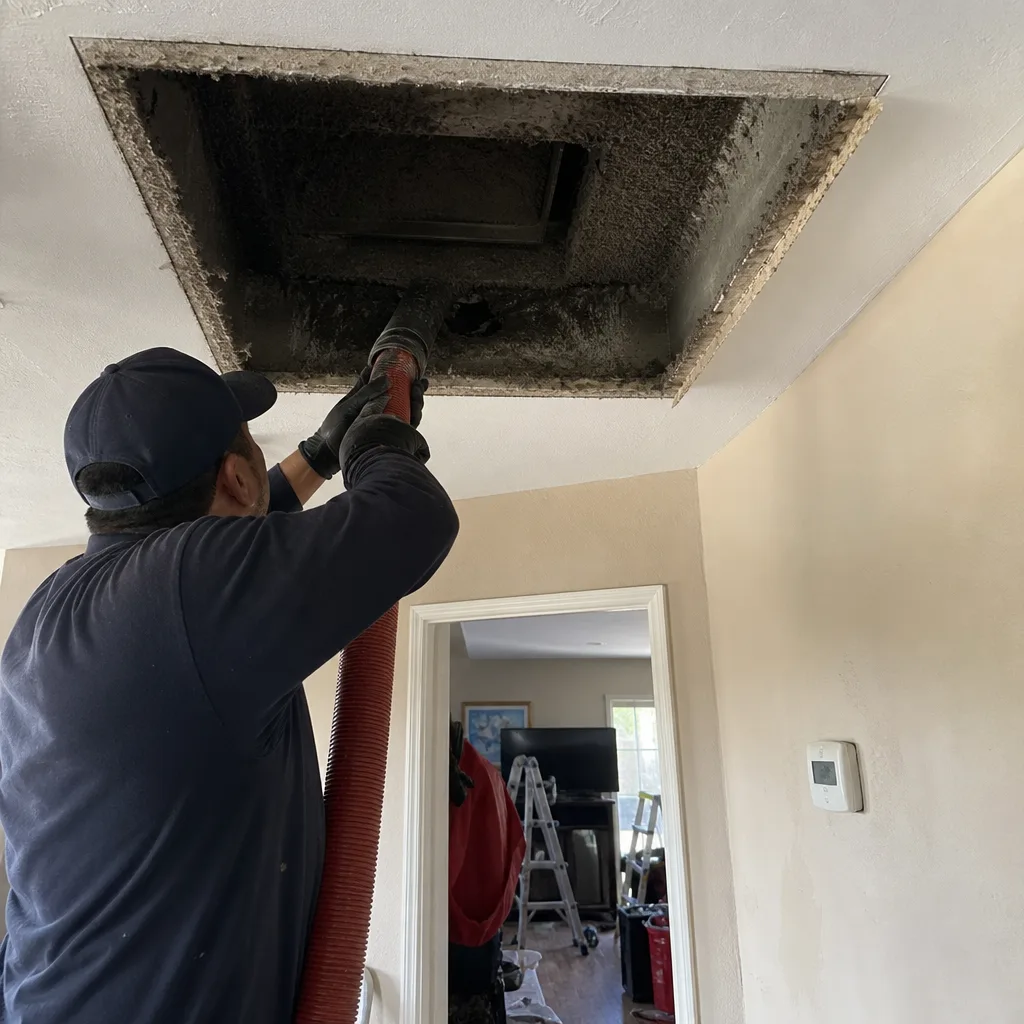 Before
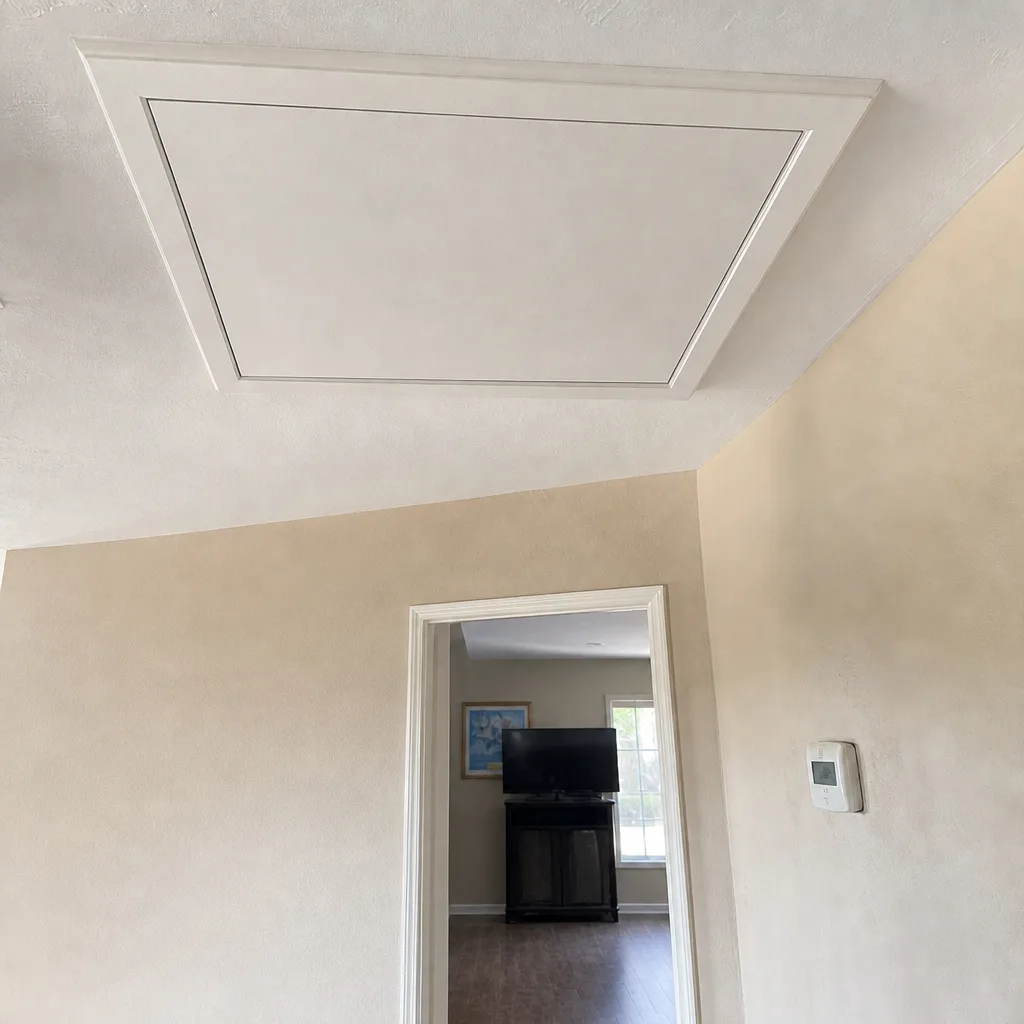 After
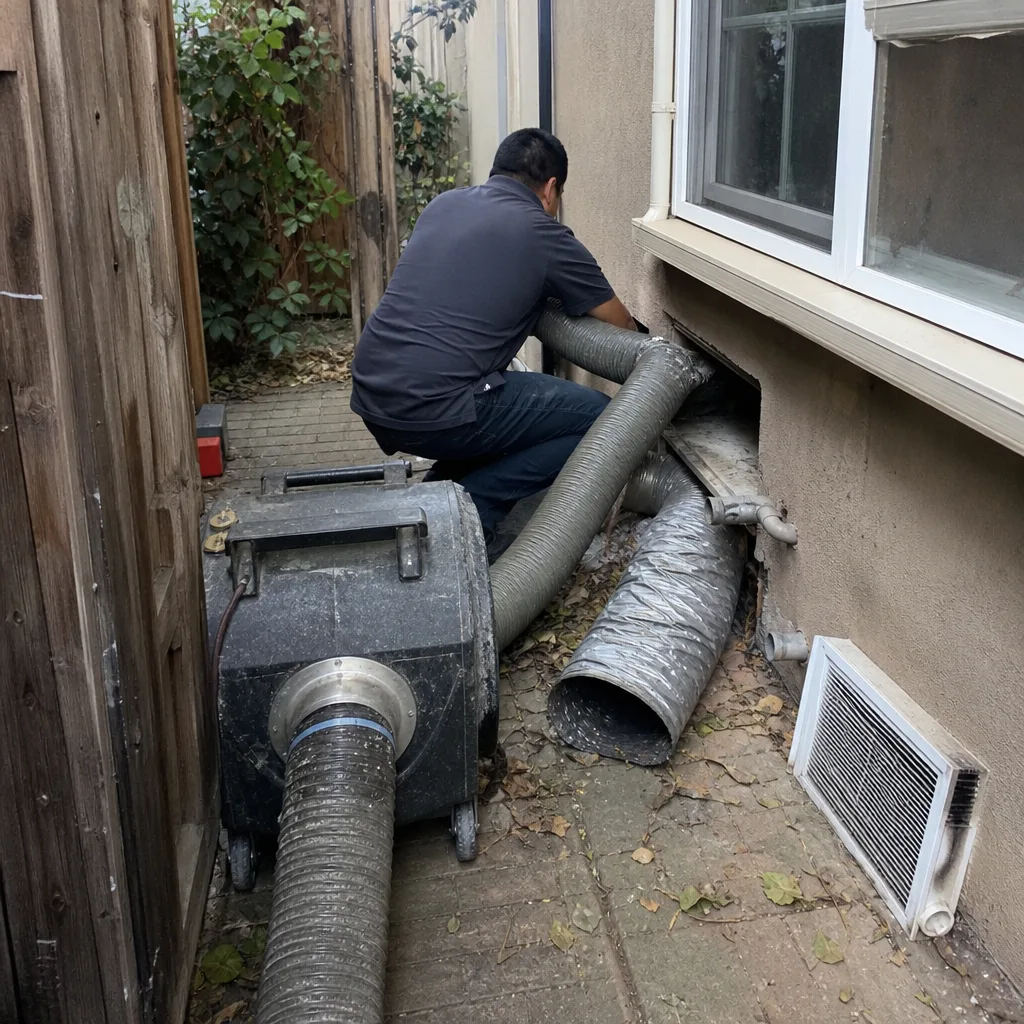 Before
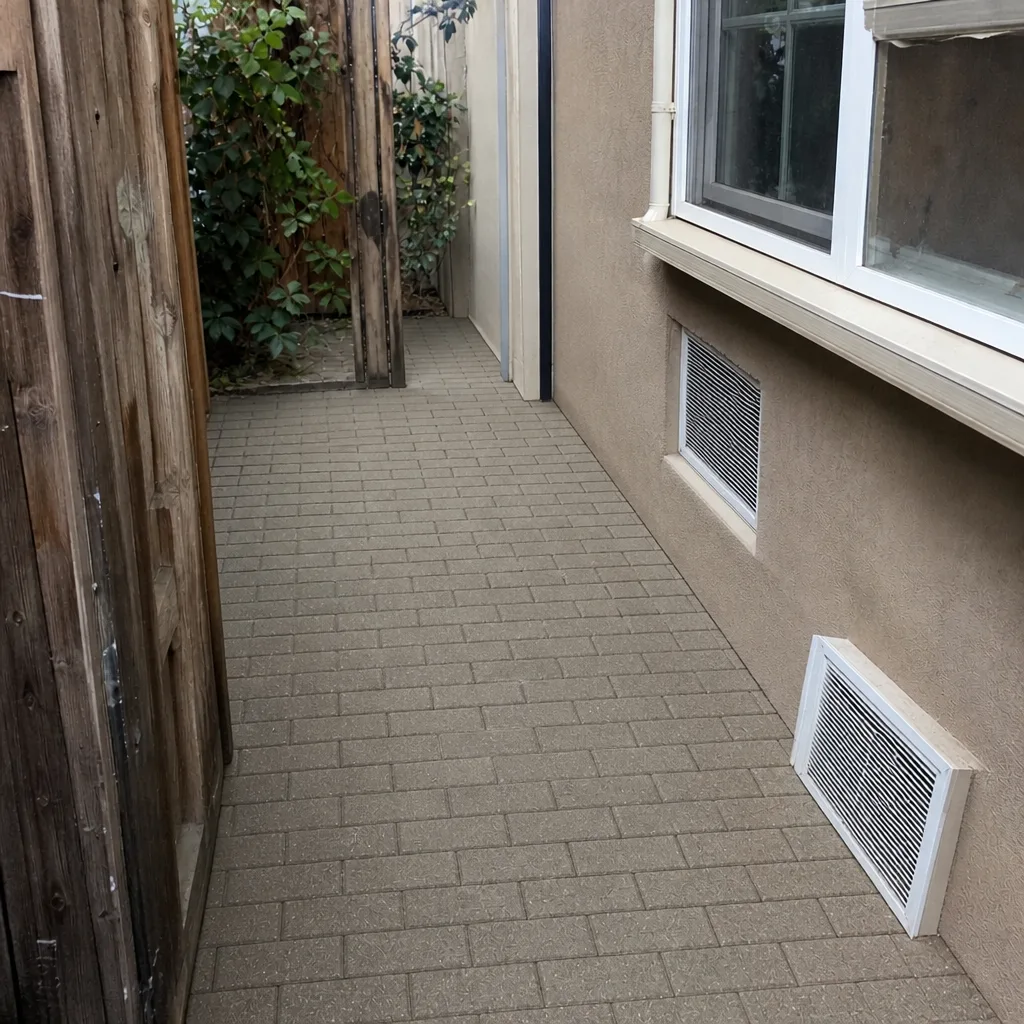 After
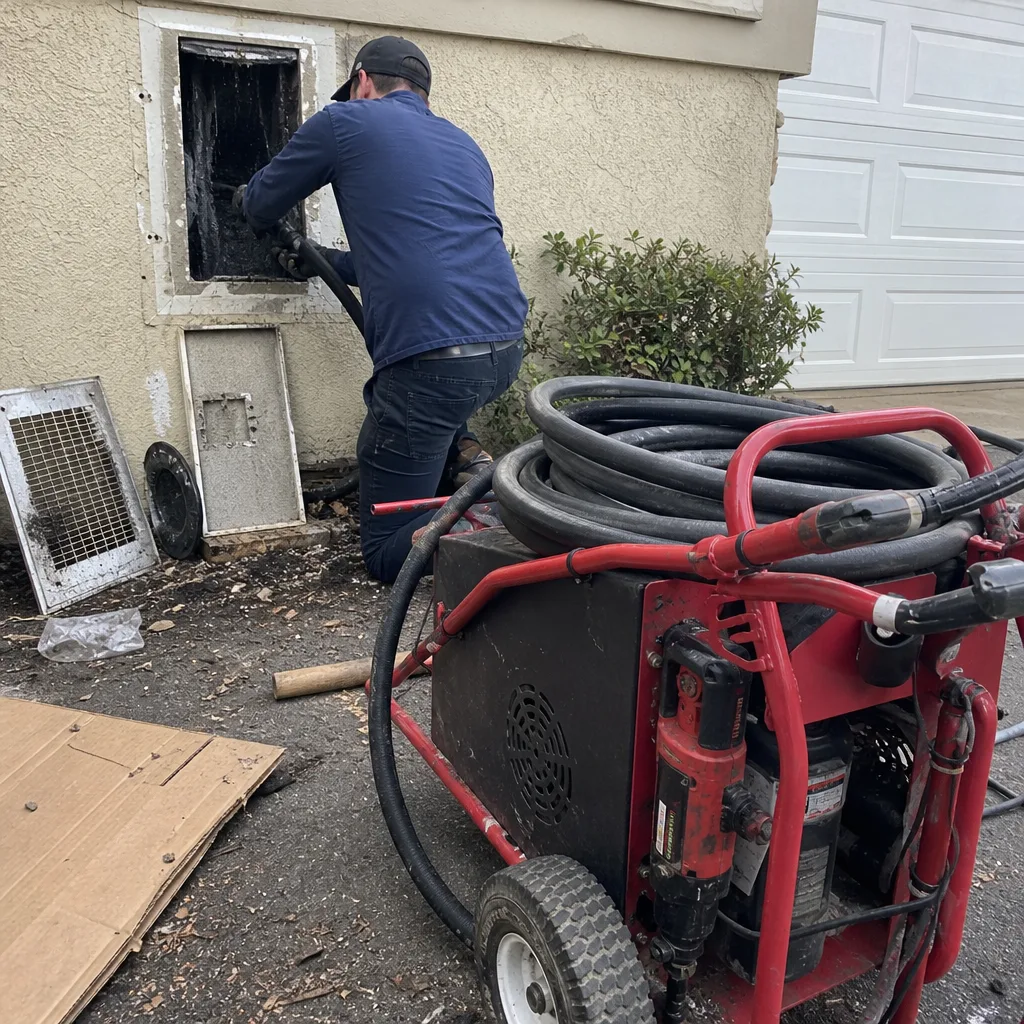 Before
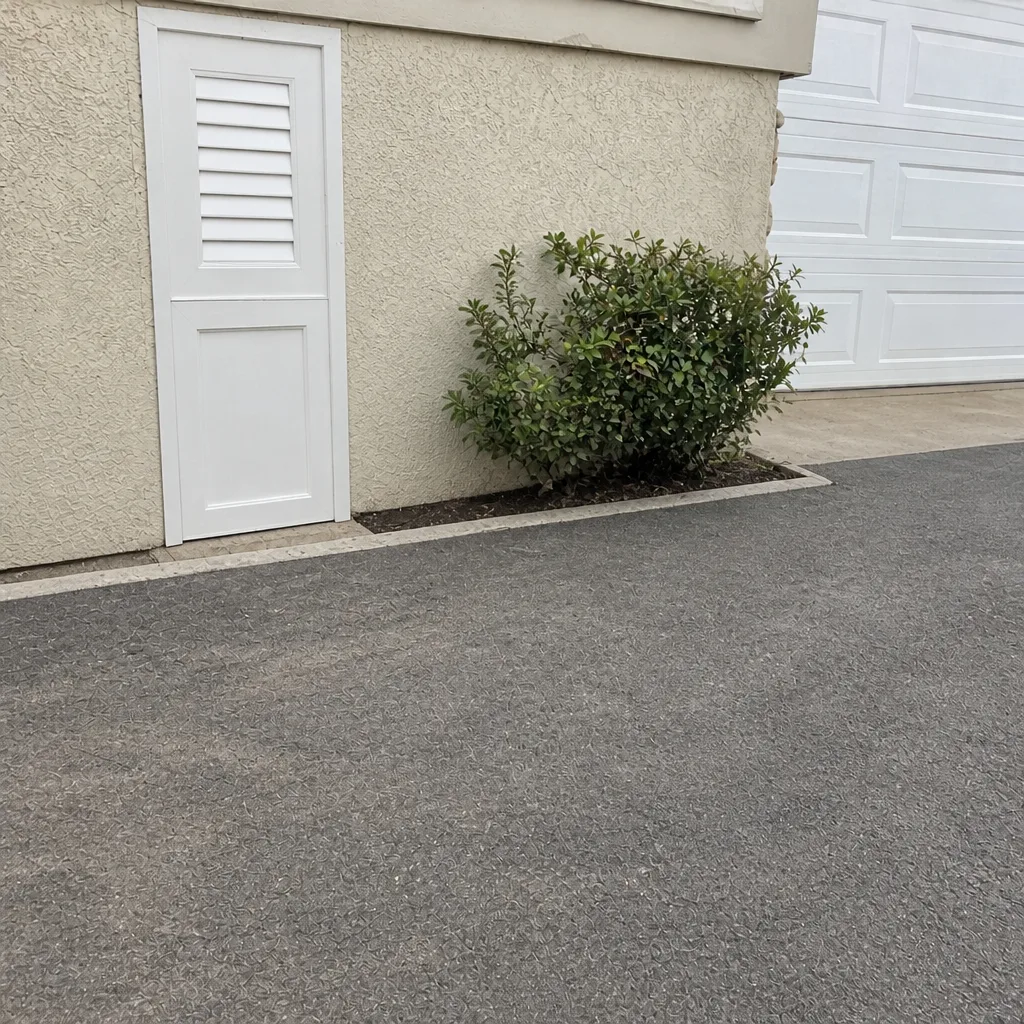 After
When to Call a Professional
Call a professional when any of the four condition triggers is present: renovation dust, a new pet, allergy onset, or visible mold at a register. Call when a dryer load is taking longer to dry or the vent hasn’t been inspected in a year or two. Call if you don’t have a maintenance record and can’t answer when the last inspection happened. And call if a previous cleaning left questions unanswered, whether that’s an unnamed product, an inspection that was never written up, or a recommendation that didn’t hold. Air Duct Cleaning West Hills offers free estimates in West Hills – call (855) 658-4109. Our technicians have up to 15 years of experience and work with the equipment we name, from Rotobrush and Nikro to Abatement Technologies HEPA filtration, because a cleaning you can evaluate is the whole point.
Frequently Asked Questions
A full duct cleaning every 3 to 5 years is a reasonable baseline for most West Hills homes. That interval shortens to 1 to 2 years for homes with pets, recent renovation dust, allergy concerns, or proximity to the 101 corridor where airborne particulate is heavier. The right interval is set by the conditions in the house, not the calendar. Call (855) 658-4109 for an inspection and a recommendation specific to your home.
No fixed interval is prescribed by the EPA. The commonly repeated “3 to 5 years” figure is a rough estimate, not a rule, and it doesn’t account for pet dander, renovation dust, wildfire ash, or the individual home’s airflow. The correct approach is condition-based inspection rather than a copied number. If you’re unsure whether your home needs an off-schedule cleaning, call (855) 658-4109 and ask.
No. A shop vacuum doesn’t have the airflow or the agitation to remove settled debris from duct walls, and it can push material deeper into the system. Professional rotary equipment and negative-pressure extraction are what remove the load rather than disturb it. Have the system inspected by a technician rather than trying a partial job with consumer equipment.
A longer dry time often tracks to lint buildup in the vent, a restricted exterior flap, or a partial clog along the run. It’s one of the earliest signs that dryer vent cleaning is overdue. If the load time has crept up, treat it as a schedule trigger rather than a quirk of the machine. Call (855) 658-4109 to have the vent inspected.
Ask for before-and-after photos of the ducts inside your own home, and ask which equipment was used and why. A technician who can name the equipment and explain the process is a technician whose work you can evaluate. Before-and-after photos of the actual system, not stock images, are the evidence that matters. If the answer is vague, ask again before the work starts.
Filter change dates and filter type, cleaning dates with what was done, inspection notes, and any renovation or pet changes that affect the load. A photograph of the equipment label and the filter slot is worth keeping too. The log exists so the next technician has real information rather than a guess based on memory. Call (855) 658-4109 if you’d like help building one from an inspection.
The Bottom Line
The fixed 3 to 5 year interval is a default, and defaults are best treated as a starting point rather than a plan. Set your schedule by the four conditions that actually drive debris load: renovation dust, a new pet, allergy onset, and visible mold. Treat the components separately, because a dryer vent needs attention far more often than the supply-side ductwork. Keep a maintenance log so the next visit starts with real information. In West Hills, the 101 corridor and hillside brush shorten the interval for many homes, so an inspection is more useful than a copied calendar. Clean, seal, sanitize, then repeat on your home’s schedule, not the industry’s. Call (855) 658-4109 for a free estimate and an honest recommended interval. We name the equipment we use – and explain why it matters. One call covers cleaning, repair, sealing, and air quality, with no handoffs and no gaps. We answer 24/7. Fast dispatch from 7am to 7pm, Sunday through Friday. Air Duct Cleaning West Hills is your starting point for the whole system: Air Duct Cleaning West Hills, from cleaning through sealing and air quality.
Written by the team at Air Duct Cleaning West Hills.