
Last updated November 22, 2026
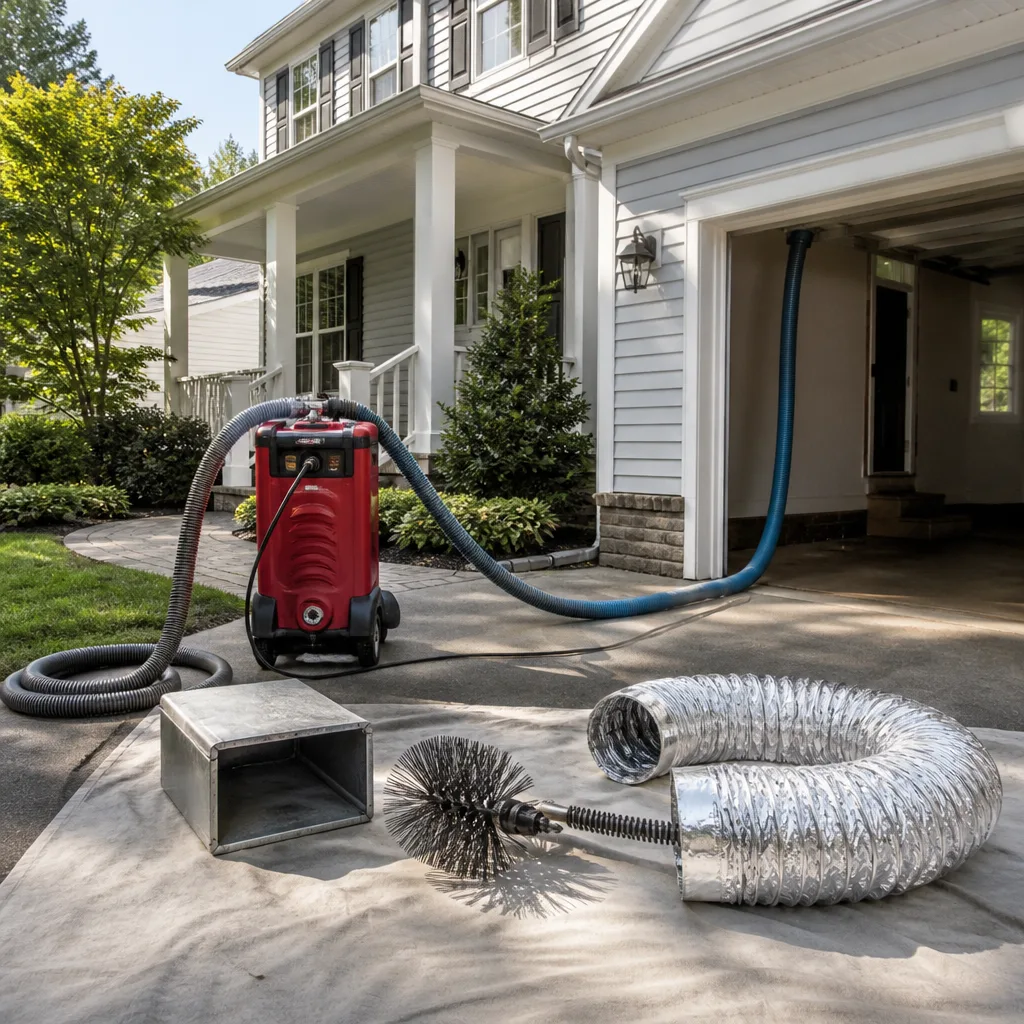 Whole-home duct cleaning
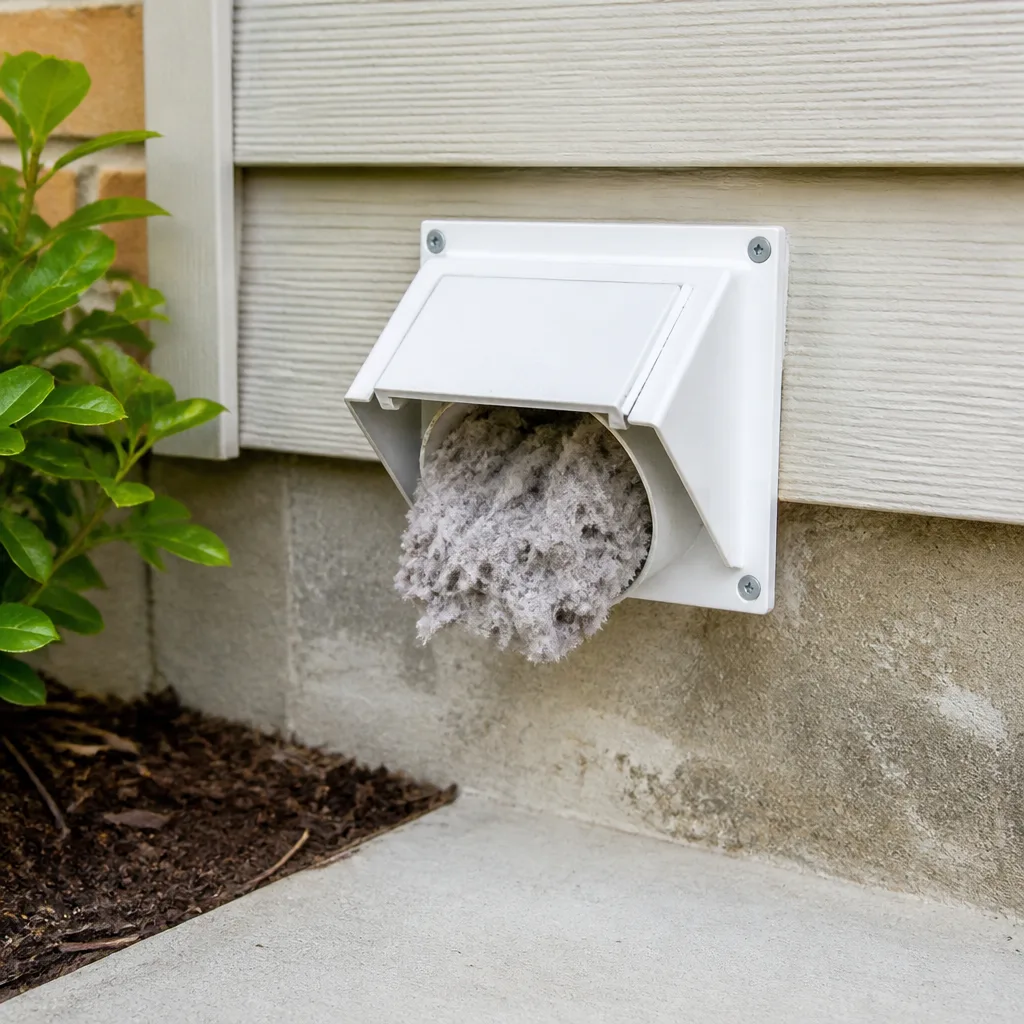 Dryer vent cleaning
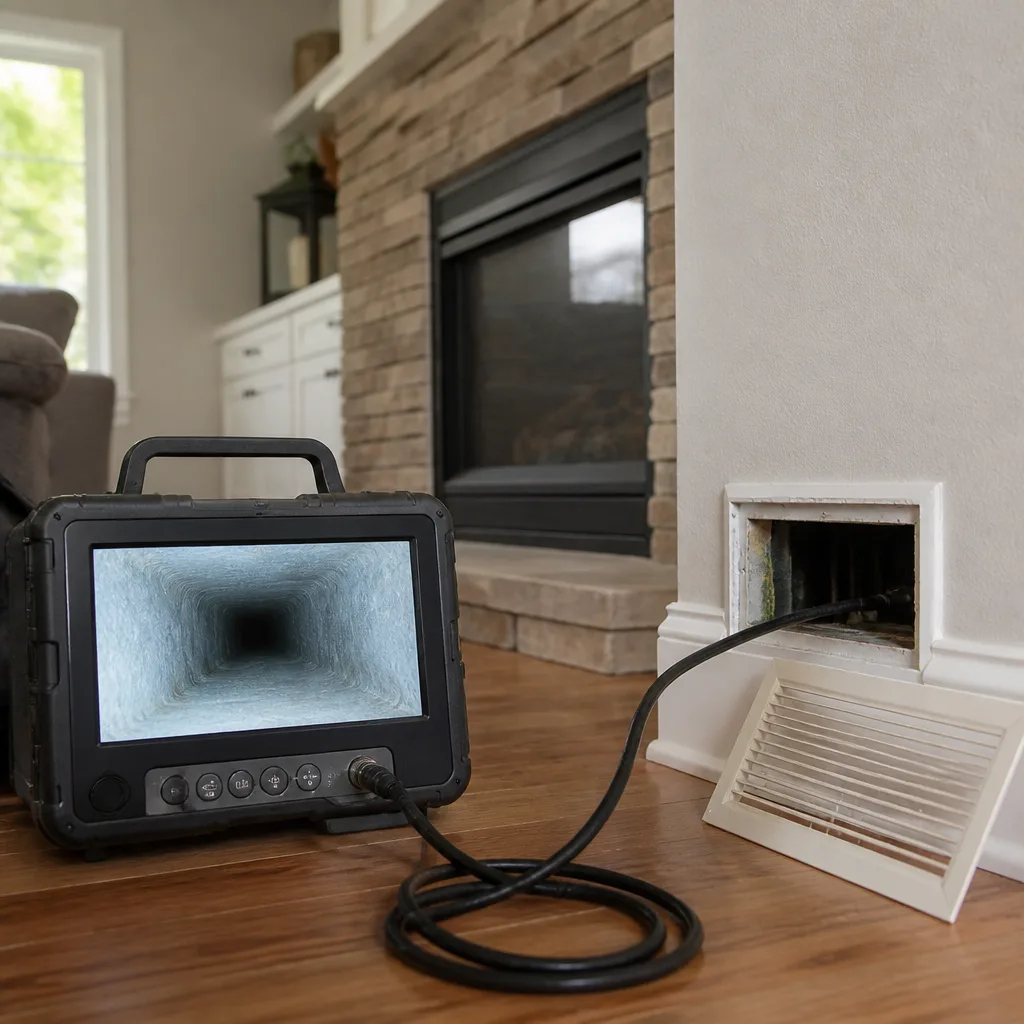 Camera inspection
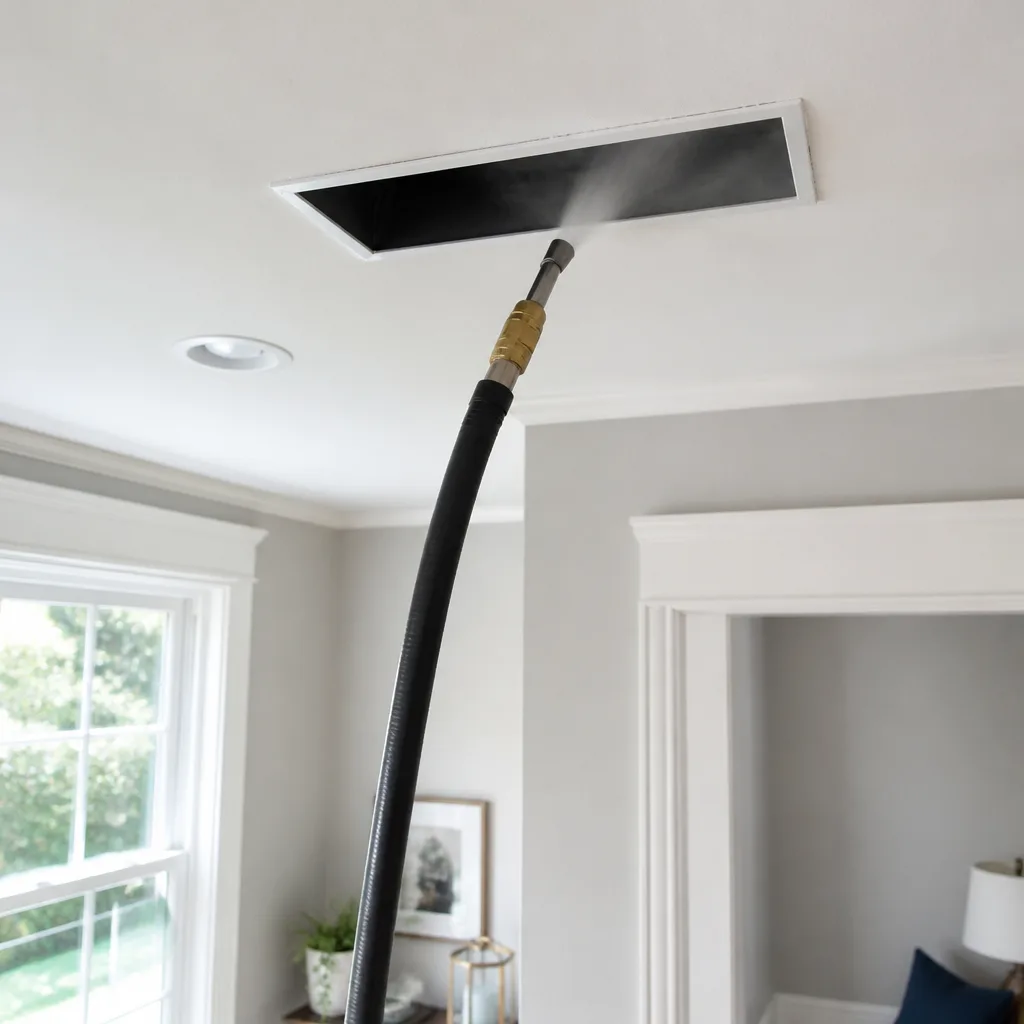 Sanitizing & deodorizing
Whole-system duct and dryer vent check with before-and-after photos - you see exactly what came out of your vents
That "$99 whole-house special" is a bait ad - the real number appears once they are in your hallway, or the "clean" is a shop-vac at the register. We photograph the inside of your ducts before and after instead.
Air Duct Cleaning Troubleshooting in West Hills: Common Problems and How to Fix Them
If one room in your house runs about 5°F hotter than the rest, the thermostat is almost never the culprit. In our experience, the answer sits behind a supply register: a crushed flex run, a joint that pulled apart in the attic, or a return that’s starving half the house of pressure. Most homeowners spend money on HVAC repairs before anyone opens a duct. This guide teaches you to read your own system’s symptoms first, because West Hills homes follow predictable patterns once you know what you’re looking at.
Styles & brands we work with
- Whole-home duct cleaning
- Dryer vent cleaning
- Camera inspection
- Sanitizing & deodorizing
Quick Answer
Most duct problems in West Hills trace back to three causes: debris buildup that restricts airflow, pressure imbalance between supply and return, and physical breaches like disconnected joints or collapsed flex runs. Cleaning fixes the first. The other two need duct repair and sealing before or alongside cleaning, or the problem returns within a season.
Table of Contents
- How to Map Symptoms to Causes
- What Static Pressure Imbalance Feels Like in Your House
- Supply, Return, or Air Handler: The Tissue Test
- When Cleaning Fixes It and When You Need Repair First
- Two Free Checks Before You Spend Money
- Odors and What They Tell You
- West Hills Attic Runs and Flex Duct Failures
- What a Proper Duct Diagnosis Actually Involves
- Common Mistakes to Avoid
- When to Call a Professional
- Frequently Asked Questions
- The Bottom Line
How to Map Symptoms to Causes
Before you call anyone, write down what your system is actually doing. The symptoms you notice point to different failure modes, and knowing which one you have saves you from paying for a cleaning that won’t solve your problem.
- Uneven airflow between rooms: Usually a distribution problem. Either a supply run is restricted, a damper is partially closed, or the return side can’t pull enough air back to the air handler. Cleaning helps if debris is the restriction; sealing helps if the duct is leaking.
- Musty or dusty odor on startup: Suggests microbial growth or settled debris in the plenum, the evaporator coil, or the first section of ductwork. The odor travels through the whole system, so it shows up in every room rather than one.
- Visible dust puffing from a register: Points to a breach close to that register, often a disconnected joint or a boot that separated from the floor or wall.
- Whistling or whooshing at a register: A pressure or sizing issue. Air squeezing through an undersized opening makes noise.
- Higher energy bills with no change in usage habits: Often a leaking supply or return, especially at the air handler cabinet where sheet metal joints and flex collars loosen over time.
In West Hills, the practical reality is that many homes have a mix: a legitimate debris problem plus a leak or two that nobody’s noticed. Treating only the debris leaves the leak, and the leak keeps pulling attic air into your living space. Symptom mapping is how you avoid that trap.
What Static Pressure Imbalance Feels Like in Your House
Static pressure is the resistance air meets as it moves through ductwork. When supply and return are balanced, the air handler pushes and pulls roughly equal volumes. When they’re not, you feel it, even if you don’t know the term.
Here’s what an imbalance looks like from inside the house:
- A bedroom door that sucks or pushes when you close it. The room is fighting the system pressure.
- The door to a room with a single small return pulling inward noticeably when the air handler runs.
- Dust settling on the top of baseboards near return grilles, because return air is being drawn in through gaps rather than through the grille.
- Air temperature dropping in the room closest to the air handler and rising in rooms at the far end of the trunk.
- Dust on the return filter caked unevenly, one side heavily loaded. That pattern means air is entering around the filter rather than through it.
West Hills homes on slab-on-grade construction have a specific reason to be prone to this. Duct runs typically travel through the attic rather than under the floor, and the return path often ends up shorter and less generous than the supply side. When return air can’t get back to the air handler through the designed path, it takes the next easiest route: gaps around the air handler, gaps around the platform, and gaps around ceilings in rooms with a return plenum. Every one of those gaps is a place where attic air, insulation fibers, and drywall dust enter the air you breathe.
You don’t need a manometer to catch the pattern, though a technician will use one. If half the house feels cold and half feels stagnant, or if you hear the air handler labor while registers feel weak, the issue is usually static pressure. In our experience, that’s a duct diagnosis problem before it’s an HVAC equipment problem.
Supply, Return, or Air Handler: The Tissue Test
You can narrow down the problem by categorizing what each part of your system is supposed to do. Supply registers push conditioned air into rooms. Return grilles pull air back. The air handler sits between them and does the conditioning.
Here’s a numbered sequence you can run in about ten minutes:
- Test supply airflow with a tissue. Hold a single tissue near a supply register while the system runs. It should blow outward and flutter steadily. Weak flutter means low volume. No flutter means either the system isn’t pushing air that far, or a damper, a crushed run, or debris is blocking it.
- Test direction, not just strength. A tissue that pulls inward at a supply register means something is wrong with the register itself. It’s either installed in the wrong boot or you have a crossover. Note it and check the others.
- Test the return with a tissue. At a return grille, the tissue should pull toward the grille firmly. A weak pull at the return with strong supply output means the return side is undersized or restricted.
- Test the filter slot. Slide a tissue along the edge of the filter where it meets the slot. If it flutters or pulls into the gap, air is bypassing the filter and entering the system unfiltered. That gap also pulls dust straight into the coil.
- Compare rooms. Walk through every room and note which registers are weak, which are strong, and which feel wrong for their distance from the air handler. A far-end register with strong airflow suggests a nearby restriction. A close register with weak airflow suggests the air handler itself or the main trunk.
What you’re looking for is a pattern. Weak across the whole house points to the air handler or the return. Weak in one direction points to a specific run. Wrong direction anywhere points to a breach or a misinstalled register. That’s the difference between calling a duct specialist and calling an HVAC technician who will never see the problem.
When Cleaning Fixes It and When You Need Repair First
Cleaning removes contamination. It does not restore a duct that has structurally failed. Knowing which problem you have prevents the most common waste of money in this industry: paying for a cleaning on a system that has a disconnected joint or a collapsed run.
Cleaning is the right fix when:
- Airflow is consistent across rooms but generally weak, and the filter is loading quickly with fine gray dust.
- You notice a smell on startup that fades after a few minutes of running.
- The home had recent renovation work, and drywall dust or construction debris made it into runs.
- There’s visible dust accumulation on register faces and the surrounding drywall.
- A visual inspection shows debris in the plenum or the first few feet of a run but no tears in the flex.
Repair and sealing come first when:
- One room gets dramatically less air than everything else, and the pattern hasn’t changed in months.
- You can see a disconnected flex collar at the air handler, in the attic, or behind a register boot.
- A run is visibly crushed or kinked, especially a flex run that sagged against a joist.
- Dust is settling unevenly around a specific register or on nearby horizontal surfaces.
- The tissue test shows the return side is severely restricted while the supply side is fine.
In practice, most West Hills jobs with multiple symptoms need both. Our own approach runs them together, which is why we frame it as one call covers cleaning, repair, sealing, and air quality with no handoffs between vendors. If your system needs a flex run replaced and a joint sealed, then getting cleaned, a cleaning-only company will clean the air you’re losing through the leak and leave you with the same problem in a month.
Two Free Checks Before You Spend Money
A good share of duct complaints are false alarms. Two checks catch most of them.
Check 1: The Filter Slot Seal
Pull the filter and look at how it sits in the slot. The filter should touch all four sides with no visible gap. If there’s a gap along any edge, air bypasses the filter entirely and goes straight into the coil. That’s a free fix: a strip of gasketing or foam around the filter frame handles most residential slots. While you’re there, look at the filter itself. A filter that’s loaded on one side and clean on the other means air can’t get through easily, and the system may be pulling from around the slot instead.
Filter condition also tells you whether the problem is duct-side. A filter that turns gray in three weeks in a house with no pets and no renovation usually means the return side is pulling dust from the attic or wall cavities through gaps. That’s a duct sealing problem, not a filter problem.
Check 2: Register Airflow Direction
Run the tissue test on every supply register and every return grille in the house. Write down the results room by room. That written map is worth more to any technician than a description over the phone, and it eliminates false alarms before you spend anything.
Two things you’ll likely find. First, some registers have adjustable louvers that got bumped or closed, and the “problem room” is just a closed damper. Second, some supply and return registers were swapped at some point, and the boot behind a supply is actually on the return side. Both scenarios are cheap to sort out, and neither needs a service visit to identify.
If everything passes and your symptoms remain, you’re dealing with a real system issue. That’s when worth calling.
Odors and What They Tell You
An odor is diagnostic. Where it comes from and when it appears narrows the cause quickly.
- Musty odor on startup that fades: Microbiological growth in the coil, the plenum, or the first runs after the air handler. Common in homes where the system runs short cooling cycles and moisture doesn’t fully drain.
- Musty odor that stays as long as the system runs: The growth is deeper in the ductwork or in the return path, and the volume of air moving past it keeps the smell present the whole time.
- Dusty, dry, “attic” smell: Air from the attic or wall cavities is entering through a return-side gap. This is a sealing problem, and cleaning alone won’t fix it. In our experience it’s one of the most common reasons a recent cleaning “didn’t take.”
- Chemical or plastic smell: Could be a motor or electrical issue. Shut the system off and get a technician out before running it again.
- Smell in one room only: Localized growth, a wet spot in a run, or a boot that’s pulling air from a damp area.
Addressing odor means treating the source. Cleaning with rotary agitation and HEPA extraction removes settled material. Sanitizing with a Guardsman-backed protection product after cleaning extends the result beyond the visit and gives you a defensible layer against regrowth. Neither step helps if there’s an active moisture source or a breach pulling damp air in. Fix the source first.
West Hills Attic Runs and Flex Duct Failures
Most ductwork in West Hills homes runs through the attic, and attic runs fail in specific ways. Knowing them helps you anticipate what a technician will find.
Flex duct is the most common material in residential attic runs. It fails predictably:
- Collapse and kinking. A flex run bent too sharply at a fitting loses most of its capacity. It looks fine from outside because the insulation sleeve hides the inner liner.
- Sagging. Flex duct needs support every few feet. When the support strap loosens, the run sags, and the low point collects dust and condensate.
- Disconnection at the collar. The inner liner pulls off the metal collar at the air handler or the register boot. Tape fails over time, especially in hot attics.
- Tears from pests or installation. Rodents and birds find attic ductwork. Small tears let attic air straight into the supply.
- Insulation degradation. The outer sleeve cracks and the insulation falls away, and the run loses efficiency.
Attic heat accelerates all of these. When a duct’s outer insulation fails, the attic temperature fights the conditioned air inside it. That’s one reason West Hills homes often have a room that runs hot in summer even when the HVAC is working correctly. The system is fine. The duct isn’t. Duct repair and sealing addresses the failure, and the improvement in temperature consistency is often the first thing homeowners notice.
Our technicians have up to 15 years of experience tracing these failures, and we use Rotobrush rotary brush systems and Nikro industrial vacuums for the cleaning side, with Abatement Technologies HEPA filtration to keep the work area clean. When a run needs repair, we repair it. When it needs replacement, we tell you. When the problem is worth upgrading, we work with Honeywell and Aprilaire whole-home systems to solve it at the source rather than patching the symptom.
What a Proper Duct Diagnosis Actually Involves
A thorough diagnosis starts with the inside of the system, not the outside. Here’s what a real one covers:
- Walkthrough with the homeowner. What you’ve noticed, when, and where. The written tissue-test map is gold here.
- Air handler inspection. Filter slot seal, cabinet joints, blower condition, coil condition, and dust patterns on the interior.
- Static pressure measurement. A technician measures pressure at the supply and return to confirm whether the system is balanced or fighting itself.
- Attic visual inspection. Every accessible run: sag, kinks, disconnects, tears, insulation condition.
- Register-level airflow check. Confirms which rooms are starved and which are over-supplied.
- Photo documentation. Before-and-after photos of the ducts are the single best way to know the work was actually done.
- Written recommendation. Cleaning, repair, sealing, or some combination, with a single flat price agreed before work starts.
If a company won’t measure static pressure or won’t show you before-and-after photos, you can’t evaluate the job. And that’s the actual hesitation most homeowners carry into this industry. Cleaning that gets sold on a coupon price and turns into a much larger invoice on-site is the pattern you’re trying to avoid. One flat price per system, agreed before work starts, no per-vent pricing, and photos of your own ducts solve that.
Our full scope under one roof makes the diagnosis practical. Air duct cleaning handles the contamination. Dryer vent cleaning as a standalone service handles a fire risk that duct-only competitors skip. HVAC cleaning handles the coil and blower side. Duct repair and sealing handles the breaches. Air quality sanitizing handles the post-cleaning protection. The point of that breadth isn’t to sell everything; it’s that a diagnosis can point to the right fix and we can actually execute it.
Common Mistakes to Avoid
- Buying a cleaning to fix an uneven-airflow problem. Uneven airflow is usually a distribution or pressure issue, not a debris issue. Cleaning won’t balance a system if a run is crushed or a joint is disconnected, and you’ll be calling again next season.
- Skipping the return side. Most of the dust in your house travels through the return. A cleaning that only addresses supply registers leaves the return path carrying the same load it did before.
- Ignoring the filter slot bypass. A filter that doesn’t seal to all four sides lets dust into the coil and past the filter. It’s a free fix and it’s one of the most common reasons a recent cleaning doesn’t last.
- Assuming all flex duct failures are visible. A kinked or collapsed run hides inside its insulation sleeve. If you’re diagnosing on sight alone, you’re missing the most common attic problem in West Hills.
- Skipping the dryer vent. A residential dryer vent is a real fire risk and most duct-only companies skip it. Our approach treats it as its own category for exactly that reason.
- Choosing on the coupon price. The teaser price becomes a larger invoice once the technician is on site. Ask for one flat price per system, in writing, before anything starts.
- Not asking for photo documentation. Before-and-after photos of your own ducts are the only verification that the work happened at all. If a company can’t show you, they didn’t do it.
When to Call a Professional
Call when the tissue test shows a persistent pattern of weak airflow in one area, when the filter loads quickly and unevenly, when you smell a musty or attic odor on startup that doesn’t fade, when renovation dust got into the system, or when a visual inspection shows a disconnected or crushed run. Call if the system hasn’t been cleaned in a long time and there’s any indication (visible dust, filter load, odors) that contaminants have built up. Call if you need dryer vent cleaning, which is a real fire risk that gets skipped. And call if the system still doesn’t behave after both free checks pass.
Air Duct Cleaning West Hills offers free estimates in West Hills. Call (855) 658-4109. We answer 24/7. Fast dispatch from 7am to 7pm, Sunday through Friday.
Frequently Asked Questions
Pricing for air duct cleaning in West Hills is set per job by a written estimate, because a whole-system price depends on the number of runs, the condition of the ductwork, and whether repair or sealing is needed. We don’t quote per vent and we don’t use coupon pricing that changes once the technician is on site. One flat price per system is agreed before work starts. Call (855) 658-4109 for an exact quote: estimates are free.
Lower quotes are usually priced per vent with a base figure that excludes the return side, the air handler, and any repair, and the onsite invoice lands well above it. The price you’re quoted should cover the whole system, and the technician should agree it with you in writing before work begins. Call (855) 658-4109 for an honest whole-system estimate: free and set per job.
Ask for before-and-after photos of your own ducts. That’s the only verifiable record, and any company worth hiring can produce them before and after the visit. Along with the written estimate and a flat price per system, photos give you something to evaluate rather than just take on trust. Call (855) 658-4109 to book and estimate free.
Sometimes, but not always. If the room is starved by debris accumulation in the run, cleaning helps. If the run is crushed, kinked, or disconnected at the collar, the duct needs repair and sealing before cleaning does anything useful. The tissue test and a static pressure measurement tell you which problem you have. Call (855) 658-4109 if you want a proper diagnosis: free estimate.
Most homes do well with a cleaning every few years, sooner if you’ve done a renovation, have pets, notice odors on startup, or the filter loads quickly. There’s no fixed schedule that fits every house. If the system’s airflow or smell has changed, that’s the signal to get it checked rather than waiting for a calendar date. Call (855) 658-4109 for a free estimate and a recommendation based on your actual system.
Yes. Because most ductwork runs through the attic rather than under the floor, flex runs are exposed to intense attic heat, which accelerates sag, disconnect, and insulation failure. The result is often a room that runs hot in summer, a filter that loads quickly, or dust entering through a return-side gap. Our technicians have up to 15 years of experience tracing these patterns and use Rotobrush rotary brush systems and Nikro industrial vacuums for the cleaning, with Abatement Technologies HEPA filtration to control dust during the work. Call (855) 658-4109 for a free estimate.
The Bottom Line
Duct problems in West Hills follow predictable patterns, and knowing them saves you money. Uneven airflow points to pressure and distribution. Odors point to growth or an attic gap. Visible dust points to a breach near a register. Two free checks, filter slot seal and register direction, eliminate the false alarms before you call anyone. If a run is crushed or disconnected, repair comes before cleaning. If symptoms persist, a proper diagnosis covers static pressure, attic inspection, and before-and-after photos of your own ducts. One flat price per system, in writing, before work starts. That’s the standard.
Call (855) 658-4109 for a free estimate. We answer 24/7. Fast dispatch from 7am to 7pm, Sunday through Friday. When you’re ready to go deeper, start with air duct cleaning, and see our Air Duct Cleaning West Hills home page for the full picture. If you suspect a dryer vent issue, our dryer vent cleaning service addresses a fire risk that gets skipped too often, and our HVAC cleaning handles the coil and blower side.
Written by the team at Air Duct Cleaning West Hills.
See the difference
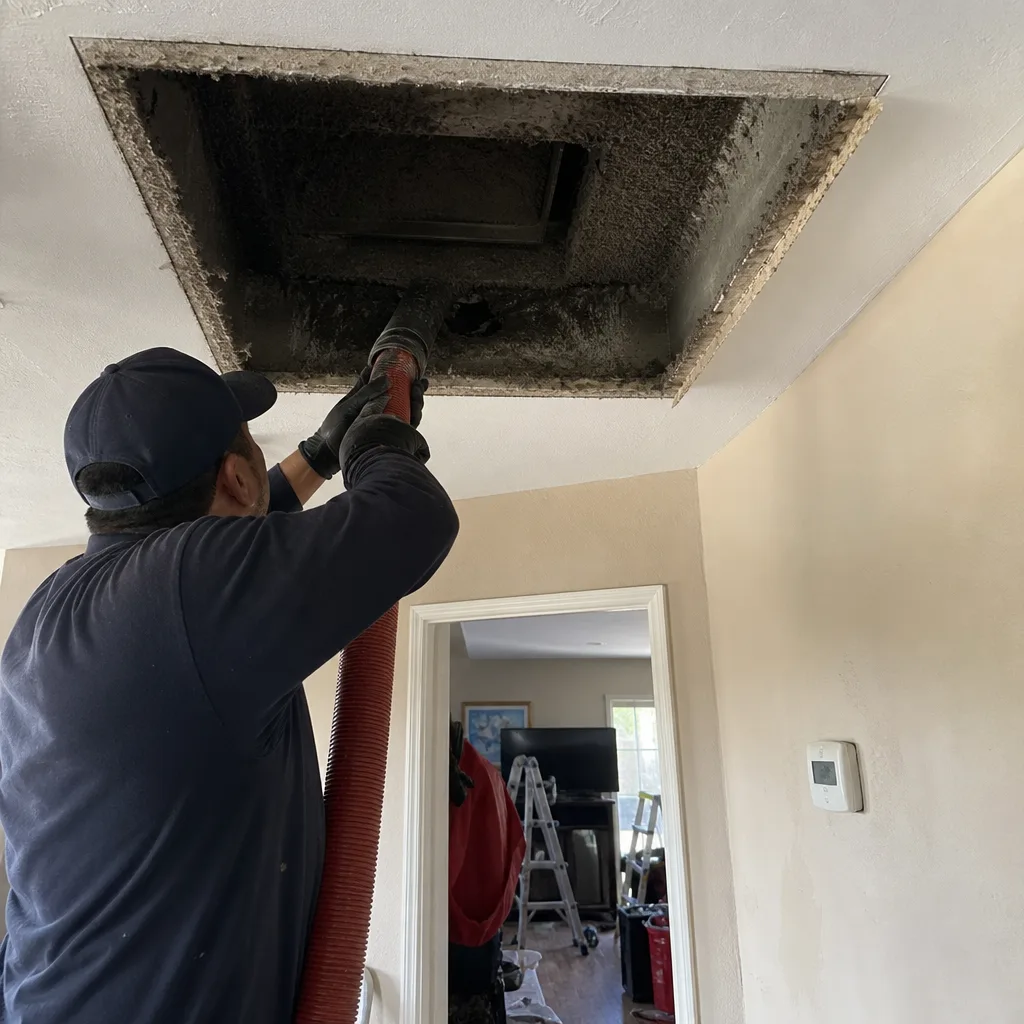 Before
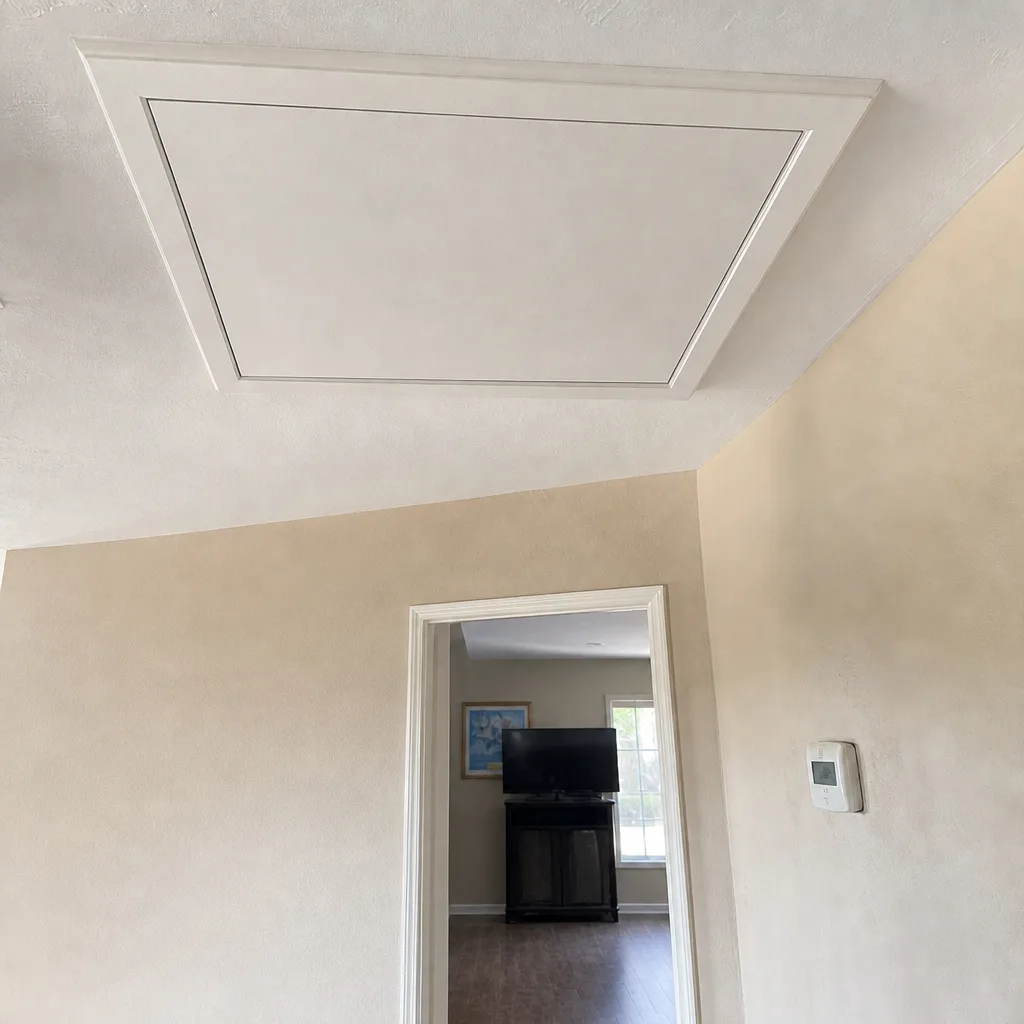 After
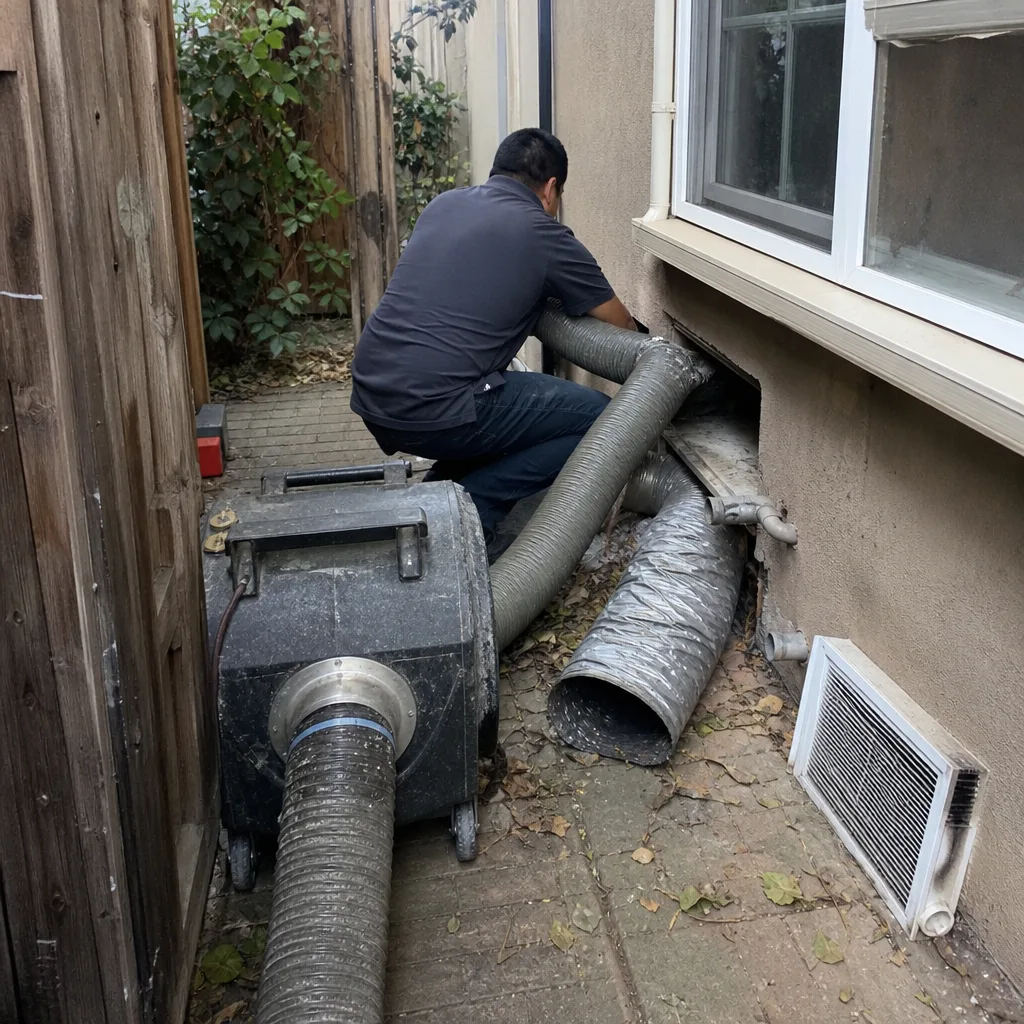 Before
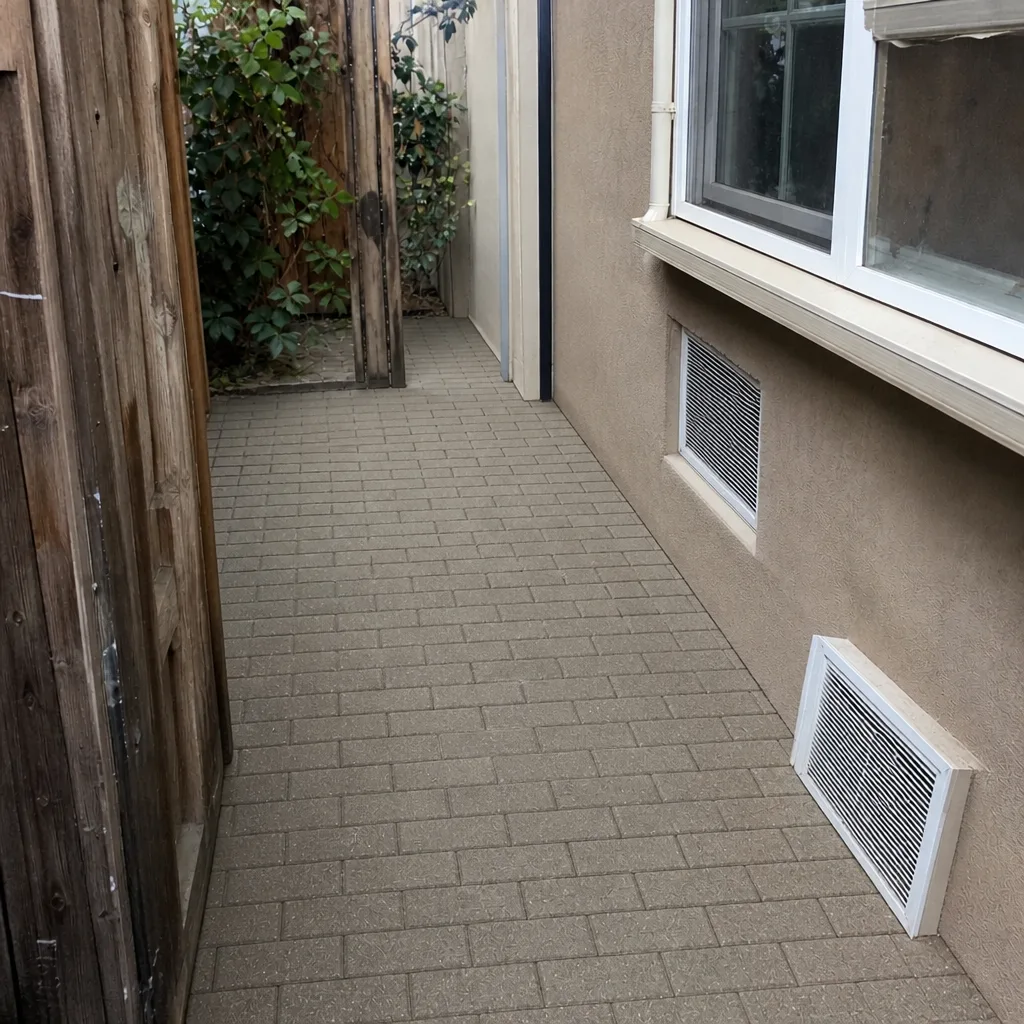 After
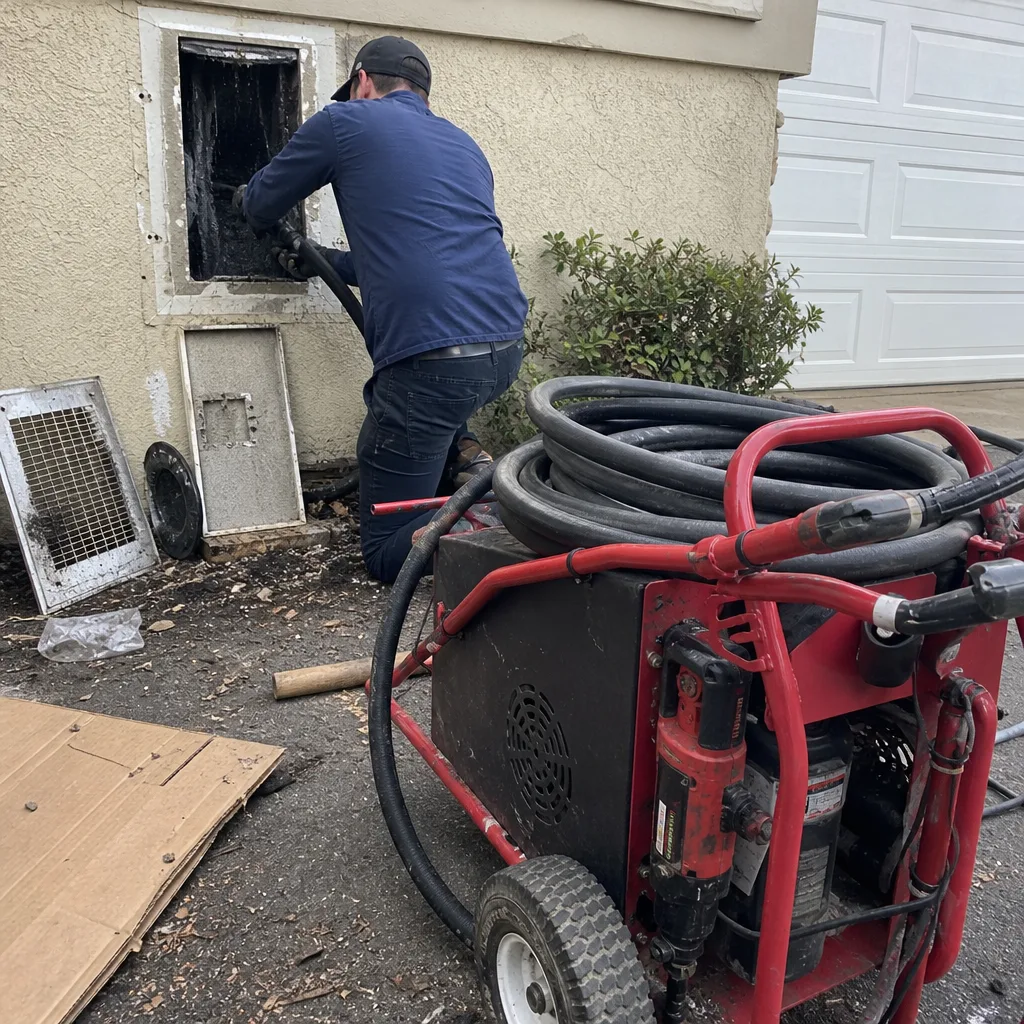 Before
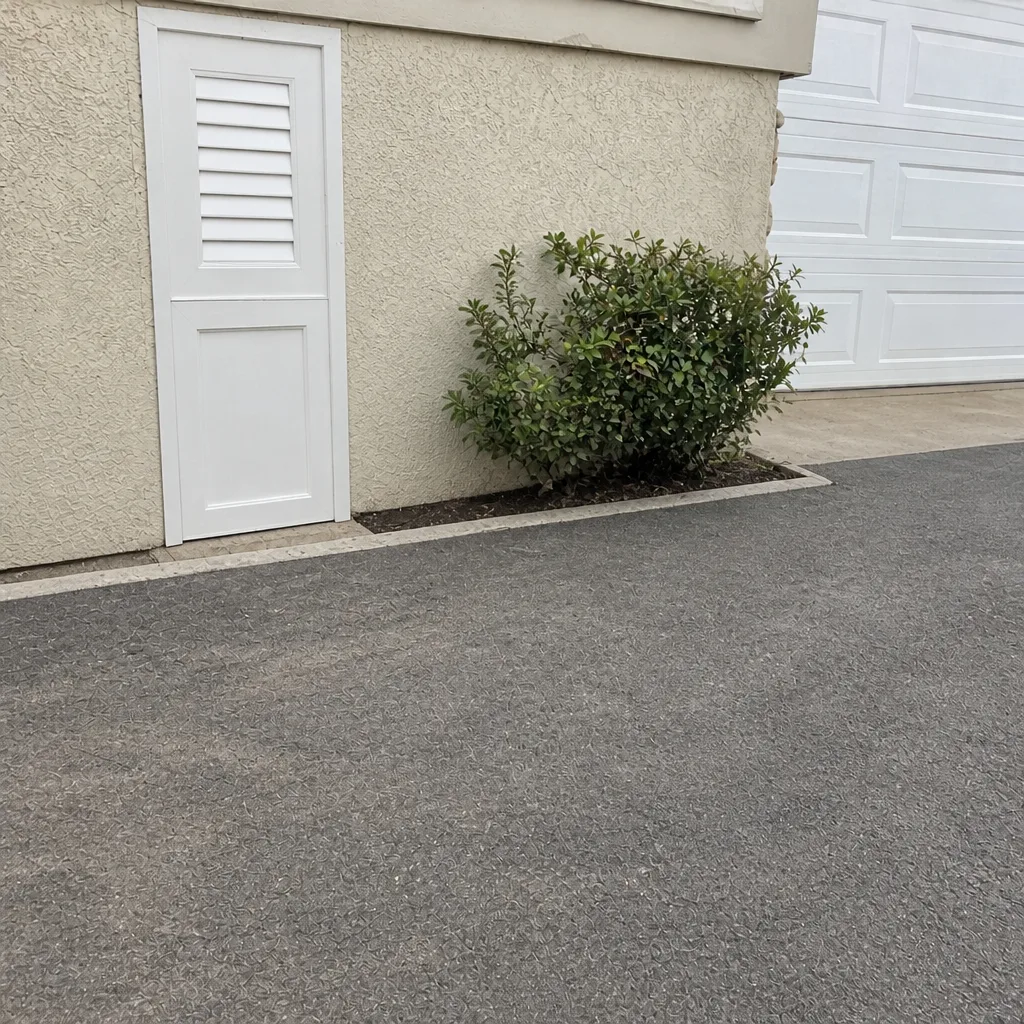 After