
Last updated November 22, 2026
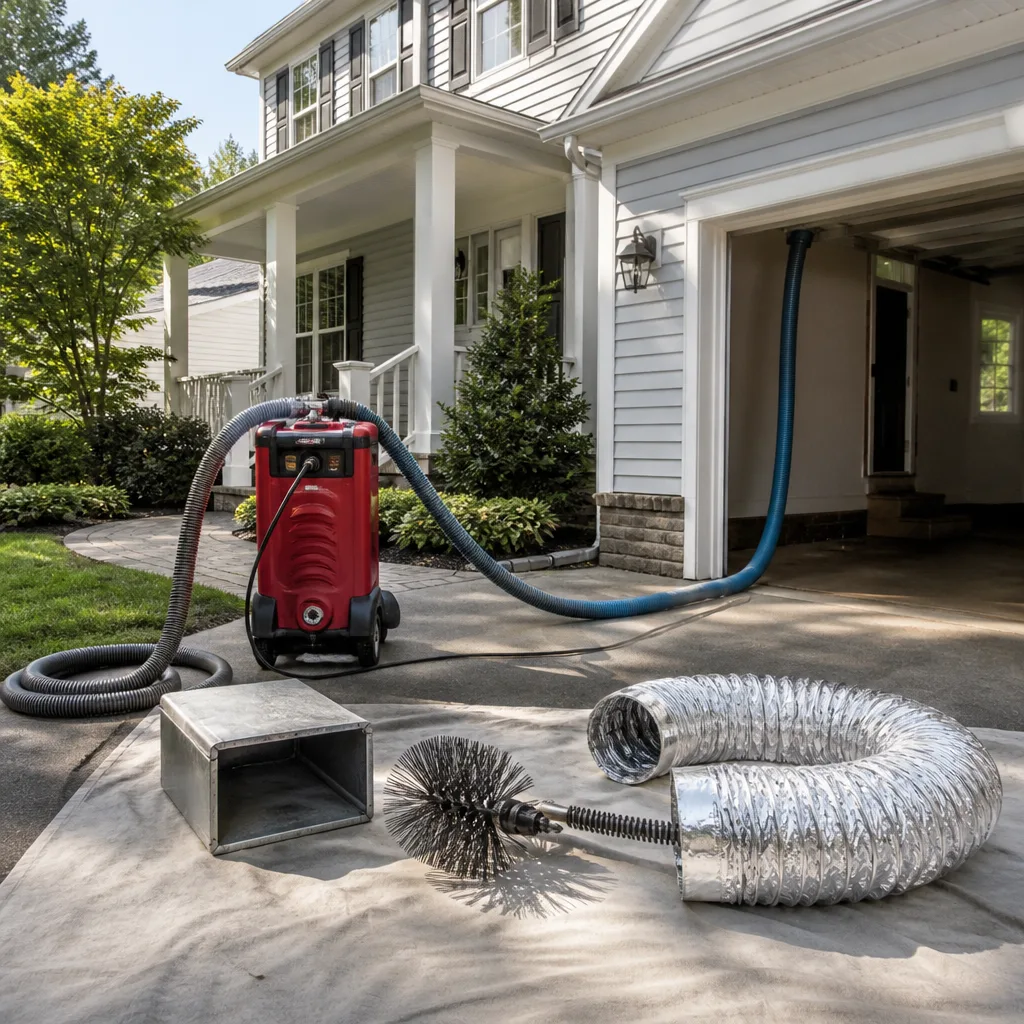 Whole-home duct cleaning
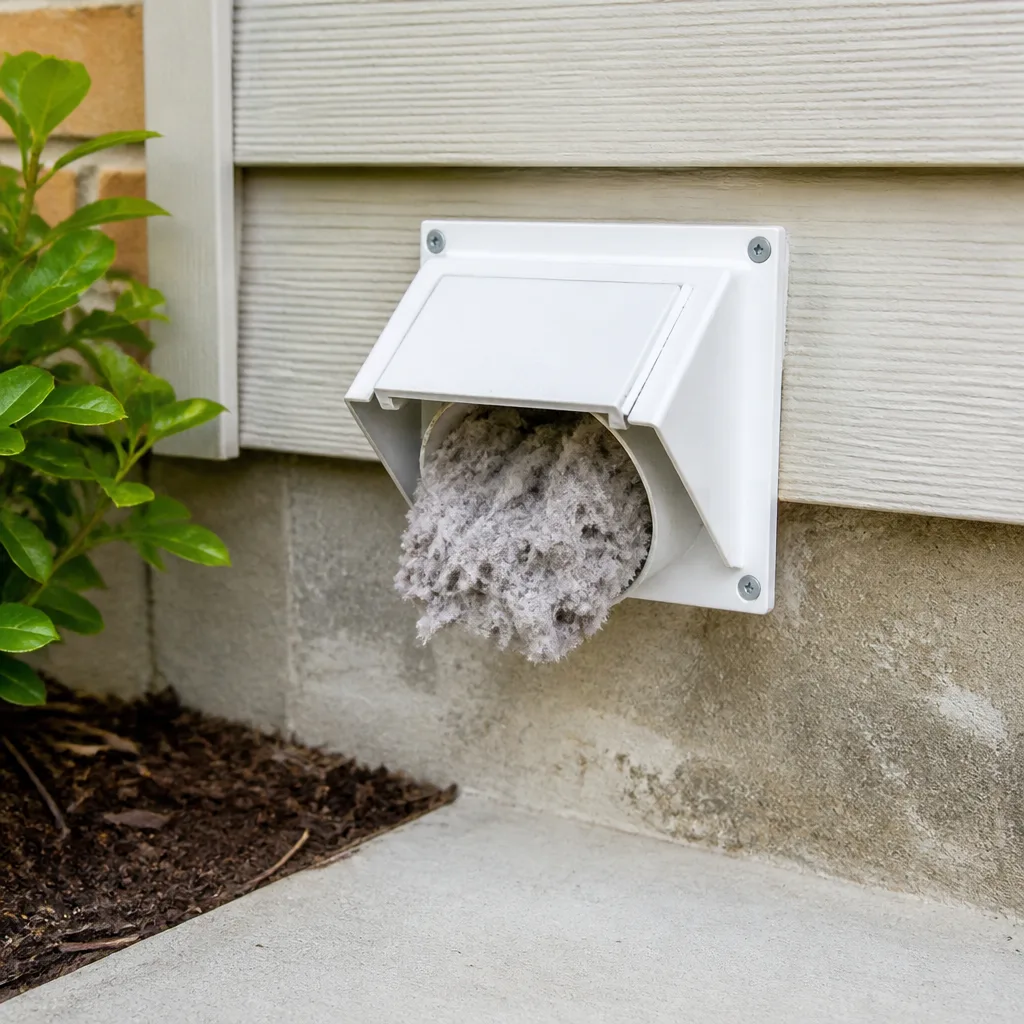 Dryer vent cleaning
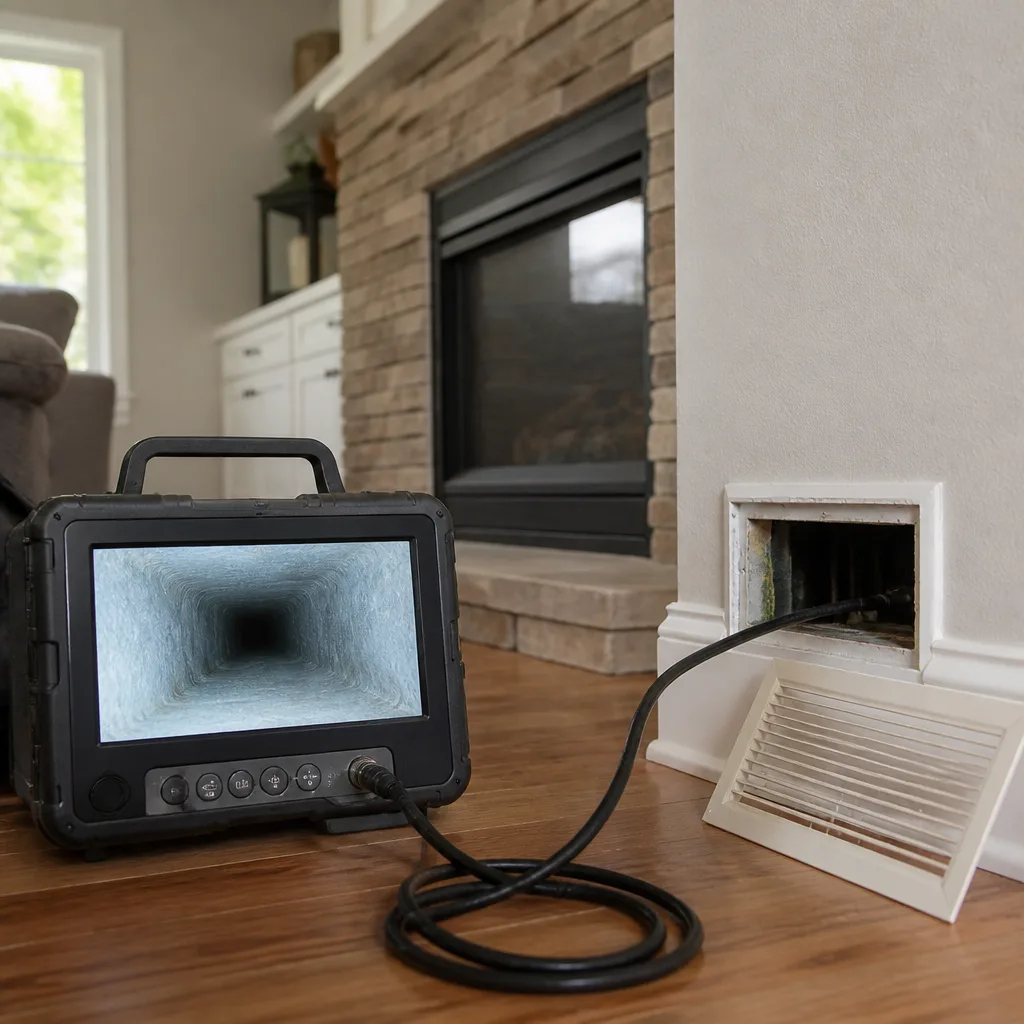 Camera inspection
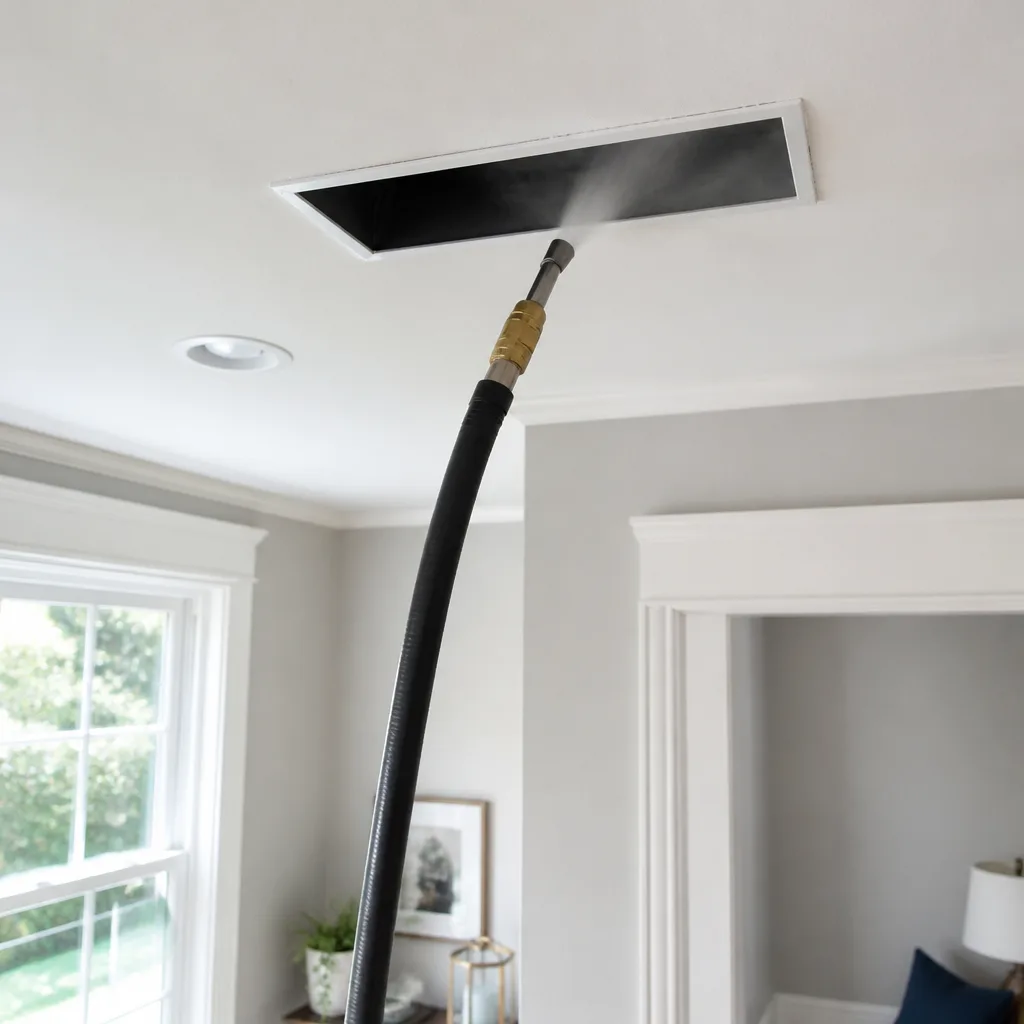 Sanitizing & deodorizing
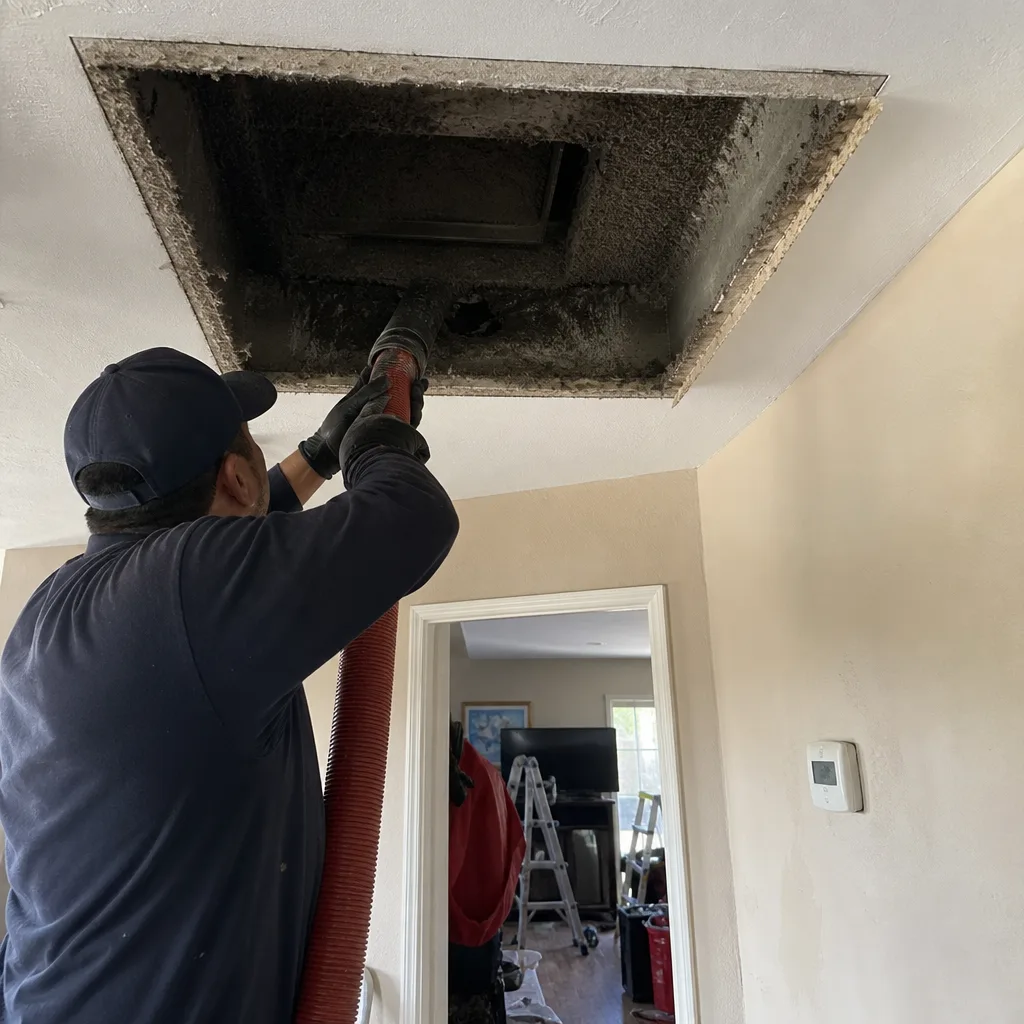
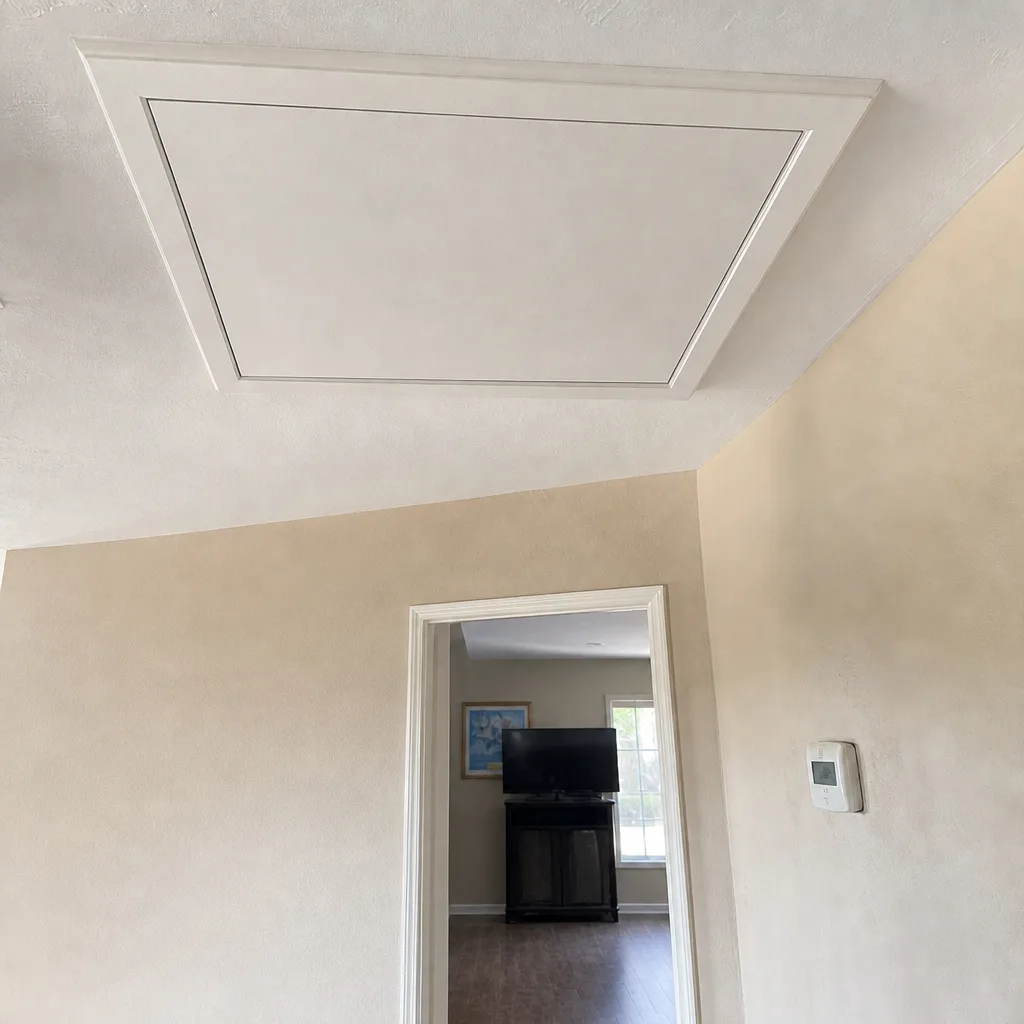
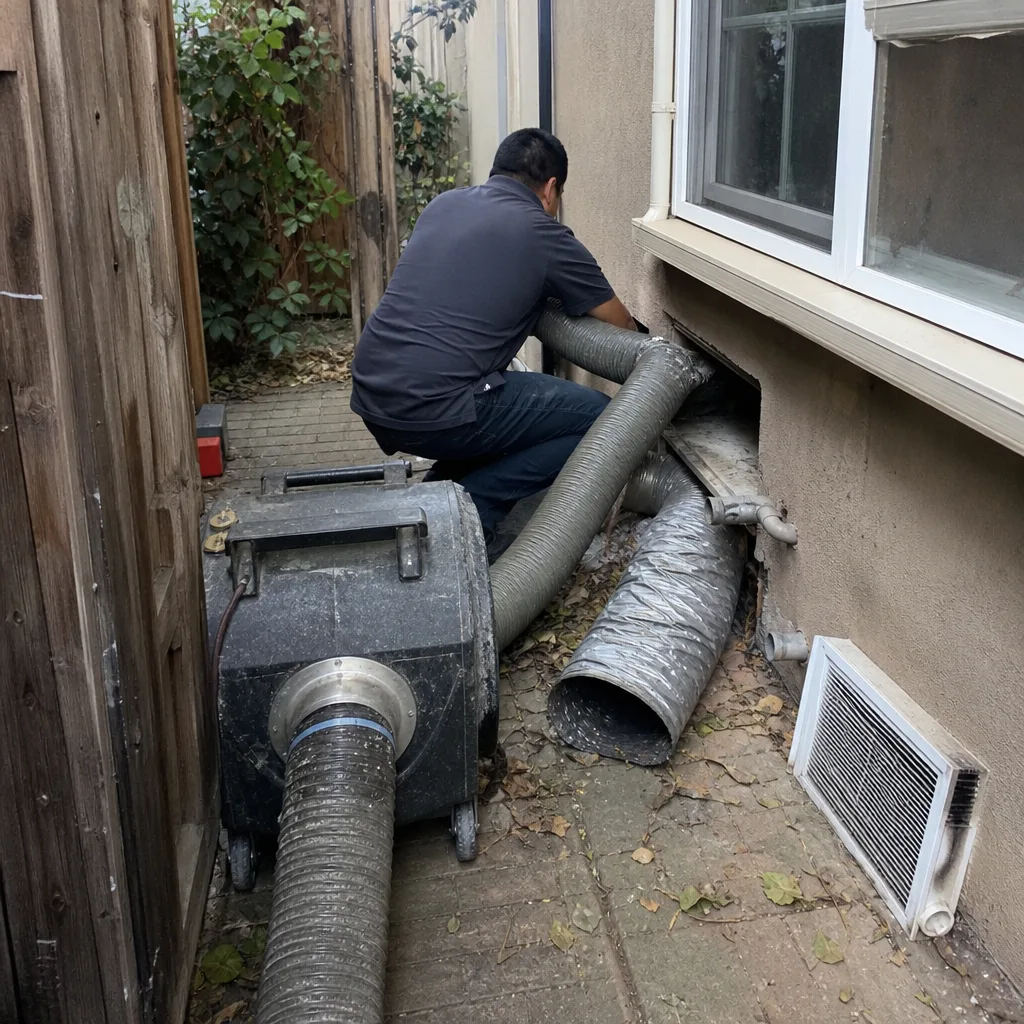
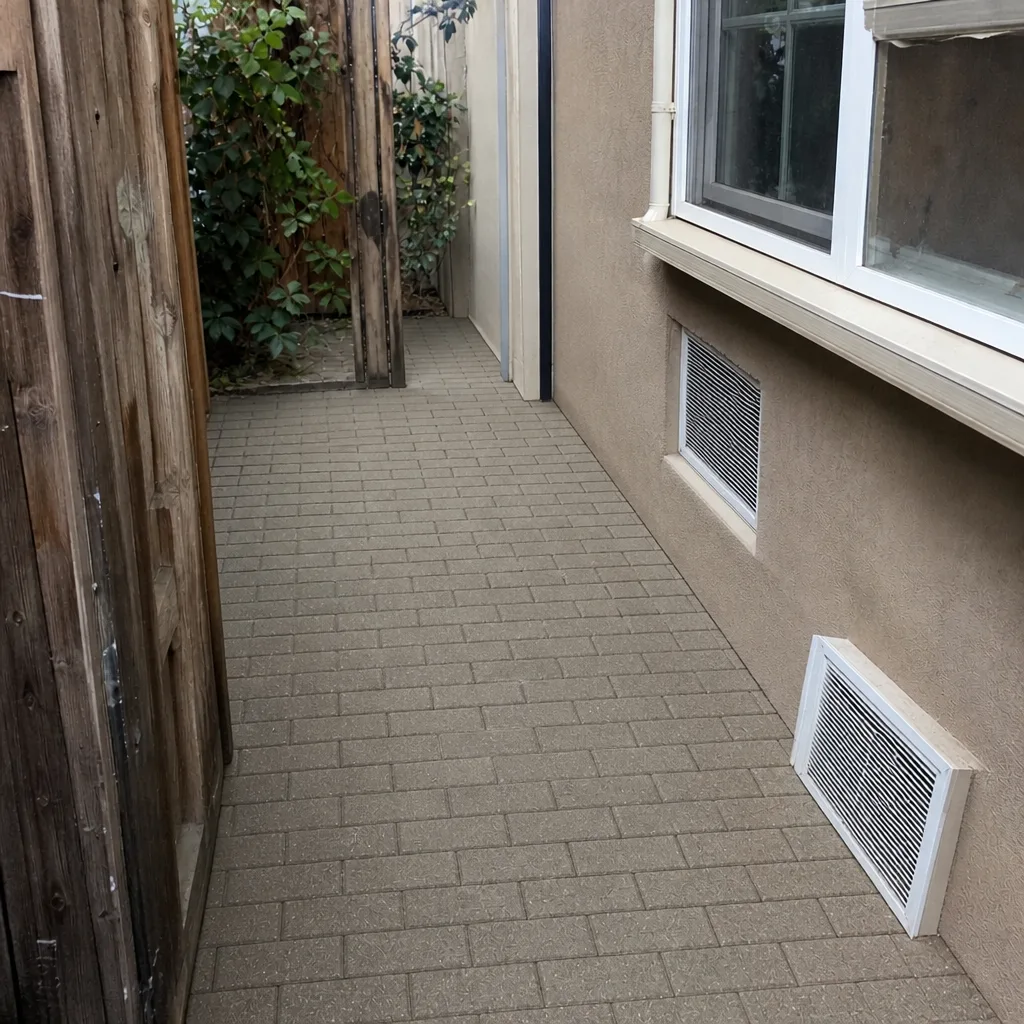
Whole-system duct and dryer vent check with before-and-after photos - you see exactly what came out of your vents
That "$99 whole-house special" is a bait ad - the real number appears once they are in your hallway, or the "clean" is a shop-vac at the register. We photograph the inside of your ducts before and after instead.
DIY vs Professional Air Duct Cleaning: The West Hills Homeowner’s Decision Guide
A homeowner with a shop vac and a dryer vent brush can clean the first 18 inches of a supply register boot effectively. That same homeowner can also push a 20-year accumulation of debris further into a flex duct liner, where even a technician’s equipment can’t reach it without cutting an access point. The tool isn’t the problem. The application is. This guide draws the line between the two with as much precision as we can manage: what you can do yourself without risk, where DIY stops being useful and starts causing damage, and the specific West Hills situations where the gap between consumer and professional equipment stops being academic. West Hills homes have their own ductwork quirks, and we’ll get to those too.
Quick Answer
DIY air duct cleaning works well for surface-level maintenance: register covers, boot faces, return grilles, and filter compartments. It stops working the moment you need to reach into the duct runs themselves, because no consumer tool can generate the negative pressure containment a proper job requires. If your system hasn’t been cleaned in eight or more years, or you’re dealing with smoke, mold, or rodent evidence, call a professional. Air Duct Cleaning West Hills offers free estimates, and you can reach us at (855) 658-4109.
- You can safely clean register covers, boot surfaces, return grilles, and filter compartments yourself.
- You cannot safely clean the inside of duct runs without negative-pressure containment, and trying can push debris deeper into the system.
- Professional equipment generates high-volume suction that no shop vac approaches, and it vents that air through HEPA filtration rather than back into your room.
- Post-wildfire smoke, visible mold, rodent evidence, and long-neglected systems need professional attention, not a consumer fix.
- A hybrid routine, professional cleaning plus homeowner maintenance between visits, extends the interval and lowers the lifetime cost.
Styles & brands we work with
- Whole-home duct cleaning
- Dryer vent cleaning
- Camera inspection
- Sanitizing & deodorizing
Table of Contents
- What You Can Safely Do Yourself
- Where DIY Stops Working and Starts Causing Problems
- The Equipment Gap That Defines the Professional Tier
- Situations in West Hills Where DIY Is Clearly Insufficient
- The Hybrid Approach: Maintain Between Cleanings
- How Much Should You Spend on DIY Supplies?
- Common Mistakes to Avoid
- When to Call a Professional
What You Can Safely Do Yourself
There’s a real list of tasks a homeowner can complete correctly, with the right tools, in an afternoon. None of them requires reaching inside the duct runs, and none of them needs equipment beyond what a well-stocked hardware store sells.
The homeowner-safe task list
- Register cover removal and cleaning. Pop the supply and return covers off with a screwdriver. Wash them in warm soapy water, dry them completely, and use a soft brush on the louvers. A shop vac with a brush attachment finishes the job.
- Visible boot surface wipe-down. Once the cover is off, you can see the interior surface of the boot (the metal or flex transition from the wall or floor into the room). Wipe the reachable surface with a damp microfiber cloth. That’s the first few inches, not the duct itself.
- Return grille cleaning. Return grilles collect a surprising amount of dust because they handle large volumes of room air. The same soap-wash and dry approach applies. A soft bristle brush gets dust out of the grille’s honeycomb slats.
- Filter compartment vacuuming. With the filter pulled, vacuum visible dust and debris from the compartment lip and any horizontal ledges. Use a HEPA-filtered shop vac, not a standard wet/dry vac that exhausts fine dust back into the room.
That’s the legitimate surface-level layer. Everything beyond it needs equipment you probably shouldn’t buy for one job, and in most cases cannot use safely without the training and negative-pressure setup that comes with it. If you want the surface-maintenance work done as part of a full visit, professional air duct cleaning covers it as a baseline.
Where DIY Stops Working and Starts Causing Problems
The moment a homeowner inserts a rotary brush, a dryer vent brush, or a long vacuum hose into a supply run, the risk profile changes. We’ve pulled plenty of examples out of West Hills attics and crawl spaces where the attempt itself created the problem.
Why DIY redistribution is real
A consumer-grade vacuum creates suction at its inlet, but it doesn’t create a pressure differential across the whole duct system. When you run a brush down a flex duct with no negative-pressure containment at the far end, the debris you dislodge doesn’t disappear into the vacuum. Some of it gets captured. A large portion redistributes backwards into the supply plenum, drops into other branch runs, or settles in the low spots of flexible duct liner that no subsequent brush pass will reach.
Flex duct makes this worse because the inner liner is a corrugated surface. Debris catches in the corrugations. Once fine dust presses into that liner under the pressure of a hand-driven brush, it can bind there. A technician with a rotary brush and proper containment can agitate and extract it. A homeowner with a dryer vent brush cannot.
- Dislodged debris enters adjacent runs. What comes out of one supply register often comes out of another one a few rooms away.
- Fine dust redeposits into the return side. Without containment, the return plenum becomes the settling zone.
- Moisture from wet cloths reaches duct liner. A damp wipe on the reachable boot is fine. A wet rag shoved into the duct is not.
- Liner damage goes unnoticed. A stiff brush can tear flex duct liner without the homeowner seeing it, and a torn liner is a leak point that never reseals on its own.
The tool is not the enemy. The mismatch between the tool and the duct geometry is. If you have flex duct, and most West Hills homes built in the last 30 years do, that mismatch is the rule.
The Equipment Gap That Defines the Professional Tier
The professional tier of duct cleaning starts where consumer equipment physically cannot follow: negative-pressure containment at the scale of a whole system, paired with mechanical agitation that reaches the full length of the duct run.
What the equipment actually does
A professional duct cleaning setup uses two things working together. First, an industrial vacuum pulls air through the entire duct system from a single connection point, usually near the air handler. Second, that vacuum exhausts through HEPA filtration rather than back into the home. Abatement Technologies makes equipment that meets standards used in remediation and restoration work, and it’s the tier we run. A shop vac at home does neither of those things at scale.
The second half of the equation is mechanical agitation. A rotary brush system reaches through the full length of a duct run and agitates the liner surface so dust that has bonded to it comes loose under suction. Rotobrush is the brand we rely on for this, alongside Nikro equipment for extraction. The combination – agitation plus negative-pressure extraction – is what restoration professionals use. No consumer tool does both.
What a proper job covers beyond the visible registers
- Trunk lines and plenums. The main distribution ducts running from the air handler to the branch runs. This is where the majority of settled debris lives, and no DIY approach reaches it.
- Full branch runs. Every supply and return path from plenum to register.
- Air handler and coil surfaces. The evaporator coil and the blower compartment collect dust that affects both air quality and efficiency. HVAC cleaning is a separate scope from duct cleaning for good reason.
- Sanitizing. Post-cleaning application with Guardsman-backed products to give the sanitation work some durability against microbial regrowth.
You can see why a homeowner with a shop vac can’t replicate this. It isn’t a matter of effort. It’s a matter of what the equipment is built to do.
Situations in West Hills Where DIY Is Clearly Insufficient
Some duct conditions are beyond what surface cleaning can address. In West Hills, we see four recurring patterns where the DIY attempt is not just ineffective but actively unhelpful.
1. Post-wildfire smoke infiltration
West Hills sits among the canyons and hills that catch Southern California’s fire seasons. When smoke drifts through the area, the fine particulate matter that enters a home’s duct system doesn’t come back out with normal filtration. Smoke residue settles into the liner of flex duct and into the plenum surfaces. A shop vac stirs it up and redistributes it. Professional HEPA extraction at negative pressure removes it, and sanitizing after cleaning addresses residual odor at the source.
2. Visible mold in register boots
If you can see mold on a register boot or on the visible duct interior, the problem is deeper than the visible surface. Mold colonizes along the wet spots in a duct system, and the only way to address it fully is to remove the material it’s feeding on and treat the surfaces with a product designed for microbial control. Cleaning visible surfaces without addressing the source is a recurring cycle, not a fix.
3. Rodent evidence in ductwork
Droppings, nesting material, or a smell you can’t place: if you suspect rodents have been in the ductwork, that is not a homeowner job. The contamination involves pathogens and allergens that require proper containment and disinfection. Professional cleaning with HEPA equipment and post-cleaning sanitizing is the only correct response. Duct repair may also be needed, because rodents create breaches in flex duct that need sealing before new contamination can enter.
4. Systems that haven’t been touched in more than eight years
If you’ve owned your West Hills home for a decade and can’t remember a duct cleaning, the buildup is more than surface level. Eight years of normal dust, pollen, and cooking residue combines into liner-bound debris that only professional agitation and extraction will move. The longer it sits, the more adhered it becomes.
Any of those four warrants a professional assessment rather than a DIY attempt. In our experience, a homeowner who tries DIY first and then calls a professional ends up paying more with the second attempt, because the redistribution made the job harder.
The Hybrid Approach: Maintain Between Cleanings
The most cost-effective strategy for a West Hills homeowner is neither pure DIY nor pure professional. It’s a hybrid: professional cleaning on the right interval, homeowner maintenance between visits. This extends the interval between cleanings without compromising system integrity.
What professional cleaning covers
- Full-system negative-pressure extraction of trunk lines, branch runs, and plenums.
- Rotary brush agitation of the entire duct interior.
- Air handler and coil cleaning as a separate scope if it’s due.
- Sanitizing with Guardsman-backed products to extend post-cleaning results.
- Inspection of duct sealing and repair points, plus dryer vent cleaning if that’s also overdue.
What a homeowner maintains between visits
- Change the filter on schedule. A clean filter at the right MERV rating for your system reduces the dust load that reaches the ducts. Most filters need replacing every 60 to 90 days, more often during dusty periods or renovation.
- Vacuum the return grilles monthly. A quick pass with a brush attachment extends the interval before dust begins to travel into the return side.
- Keep register covers clean. A monthly wipe with a damp microfiber cloth is enough. No soap needed.
- Watch for renovation dust. Any time you have drywall work, flooring work, or a kitchen renovation, check the returns afterward. Proactive cleaning is far cheaper than waiting for the ducts to fill.
- Listen for airflow changes. A branch run that suddenly feels weaker is a signal. It could be debris, a disconnected duct, or a failed seal. Address it rather than waiting.
If sealing is part of what your system needs – and West Hills homes with duct routing through attics often need it – professional Air Duct Cleaning West Hills service includes repair and sealing as one scope. That closes the loop: clean ducts are step one, and sealed, repaired, sanitized ducts are the finish line.
How Much Should You Spend on DIY Supplies?
This is not a pricing guide for professional work – that’s set per job by written estimate because every duct system is different. But if you’re going to do the homeowner layer, here’s what to spend to do it correctly.
- HEPA-filtered shop vac (or a shop vac with a HEPA filter installed). A standard wet/dry vac exhausts fine dust back into the room, which defeats the point. The HEPA filter cartridge is not an optional upgrade.
- Soft brush attachments for the shop vac. Multiple sizes, one for registers and one for grille slats.
- Microfiber cloths (a pack). Damp not wet, and a fresh one for each pass.
- Soft-bristle hand brush. For grille louvers.
- Replacement filters at the right MERV for your system. Buy a two-year supply so you don’t have to remember.
Notice what’s not on the list: rotary brushes, duct-mounted vacuums, or any tool designed to reach inside the ductwork. If a tool like that is being marketed to homeowners, it’s the wrong tool. Consumer duct tools either don’t generate enough suction to extract the debris they disrupt, or they create the rearrangement problem we described above.
Common Mistakes to Avoid
- Running a brush into flex duct without negative-pressure containment. This redistributes debris rather than removing it. In West Hills homes with older flex duct, that debris can press into the liner and become harder to extract than it originally was.
- Using a standard wet/dry vac without HEPA filtration. It exhausts the finest particles back into the room, which is the dust that matters most for allergy and asthma symptoms.
- Spraying “duct cleaning” aerosols or foggers into the system. Consumer foggers distribute solvents and biocides without removing the material that feeds microbial growth. The result is treated dust sitting in the duct, not a clean system.
- Trying to clean visible mold on your own. Visible mold in a register boot or duct interior means the problem is likely deeper than the visible patch. Attempting cleanup without addressing the source layer is a setup for recurrence.
- Shoving a hose into the plenum through the air handler. The air handler is not a DIY access point. The blower, coil, and control wiring are in there, and a mistaken contact can be expensive to fix.
- Waiting too long between cleanings. Eight years is not a conservative interval in a West Hills home. Fire season, pollen season, and routine cooking and occupancy load mean most homes in the area benefit from a professional visit sooner than they realize.
- Ignoring the dryer vent while focused on duct cleaning. Dryer vents are a leading cause of residential fires, and they’re frequently the most overdue component in the house. If you’re going to think about air movement this month, think about the vent too.
When to Call a Professional
Call a professional duct cleaner when any of these are true: your system hasn’t been cleaned in eight or more years; you’ve had a smoky fire season and the ductwork hasn’t been touched since; you can see mold in a register boot or a visible duct surface; you’ve found rodent evidence or noticed a smell you can’t trace; you’ve had a renovation that filled the house with drywall dust and cycled it through the HVAC system; or you’re managing allergies or asthma and want a baseline you can trust. Each of those conditions calls for professional agitation and HEPA extraction, not a consumer attempt. Air Duct Cleaning West Hills offers free estimates in West Hills. Technicians have up to 15 years of experience, and every visit ends with before-and-after photos of the ducts we cleaned, plus one flat price per system agreed before work starts. Call (855) 658-4109. We answer 24/7, with fast dispatch from 7am to 7pm, Sunday through Friday.
Frequently Asked Questions
Yes, but only the surface layer: register covers, boot surfaces, return grilles, and filter compartments. Anything inside the duct runs themselves needs professional negative-pressure extraction. The homeowner-safe list is covered in detail above, and every item on it takes minutes and rarely a full afternoon.
A shop vac can damage flexible duct liner if the nozzle presses against the corrugated surface, and it will redistribute fine dust into the room if it lacks HEPA filtration. Using one on registers and boot surfaces with a soft brush attachment is fine. Running one down the length of a duct is not. Call (855) 658-4109 if you want to talk through what your system needs – estimates are free.
Three signals point to professional cleaning: the system hasn’t been cleaned in eight or more years, you can see or smell a problem (mold, smoke residue, rodent evidence), or you’ve had a renovation that filled the ducts with fine dust. If none of those apply, surface maintenance may be enough for now. When in doubt, a free estimate from a professional settles the question faster than guesswork. Call (855) 658-4109.
Cheap quotes often mean one of three things: no true negative-pressure equipment, no agitation of the duct interior, and no post-cleaning sanitizing. The result looks like a duct cleaning on the invoice but leaves the majority of the debris in place. The equipment listed in a quote tells you what tier of work you’re buying. If the quote doesn’t name the equipment, that’s the first question to ask. Call (855) 658-4109 for an honest quote with the equipment named – estimates are free.
Every three to five years is a reasonable interval for most West Hills homes, sooner if you’ve had a heavy fire season, a renovation, or pets. Homes with significant allergy or asthma concerns sometimes warrant a shorter interval. The register-level maintenance covered in this guide extends the professional interval without compromising the system. Call (855) 658-4109 to talk through the right schedule for your house – estimates are free.
Ask for before-and-after photos of your own ducts, not stock images. Any professional tier of work should be willing to provide them, and the photos should show the inside of the duct interior at more than one point in the system. Before-and-after documentation is a standard part of the visit we run, and it should be standard for anyone you hire. Call (855) 658-4109 for a free estimate with that documentation confirmed.
The Bottom Line
DIY air duct cleaning is not useless, but it is specifically limited. The surface layer – registers, boot faces, return grilles, filter compartments – is yours to maintain with a HEPA shop vac and a few microfiber cloths. Beyond that surface layer, the equipment gap becomes a safety and damage question, not a convenience one. Negative-pressure containment, rotary agitation, and HEPA filtration are what define professional work, and no consumer tool reproduces any of them at scale. If your West Hills home has smoke residue, visible mold, rodent evidence, or eight or more years without a cleaning, hire a professional. If it doesn’t, keep up the surface work, change your filters on schedule, and know the professional threshold when you reach it.
Same-Day Repair
Call (855) 658-4109. We answer 24/7. Fast dispatch from 7am to 7pm, Sunday through Friday. Same-day estimates are available for most West Hills visits, and every written estimate is free with the price set per job, before work begins.
Ready to book? Call (855) 658-4109 for a free estimate. We’ll send a technician to assess your duct system, name the equipment we’ll run, and give you a flat per-system price before we start. You’ll see before-and-after photos when the work is done.
Written by the team at Air Duct Cleaning West Hills.
See the difference
 Before
 After
 Before
 After
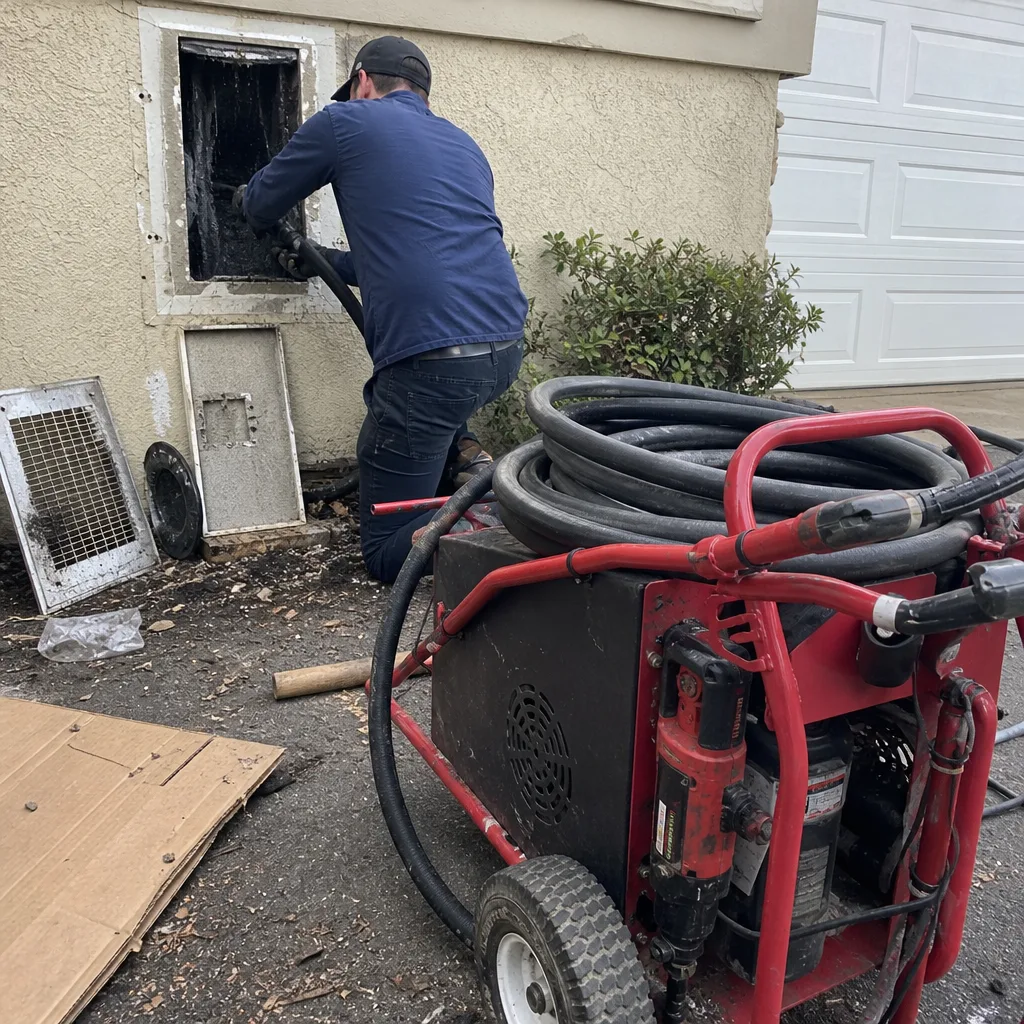 Before
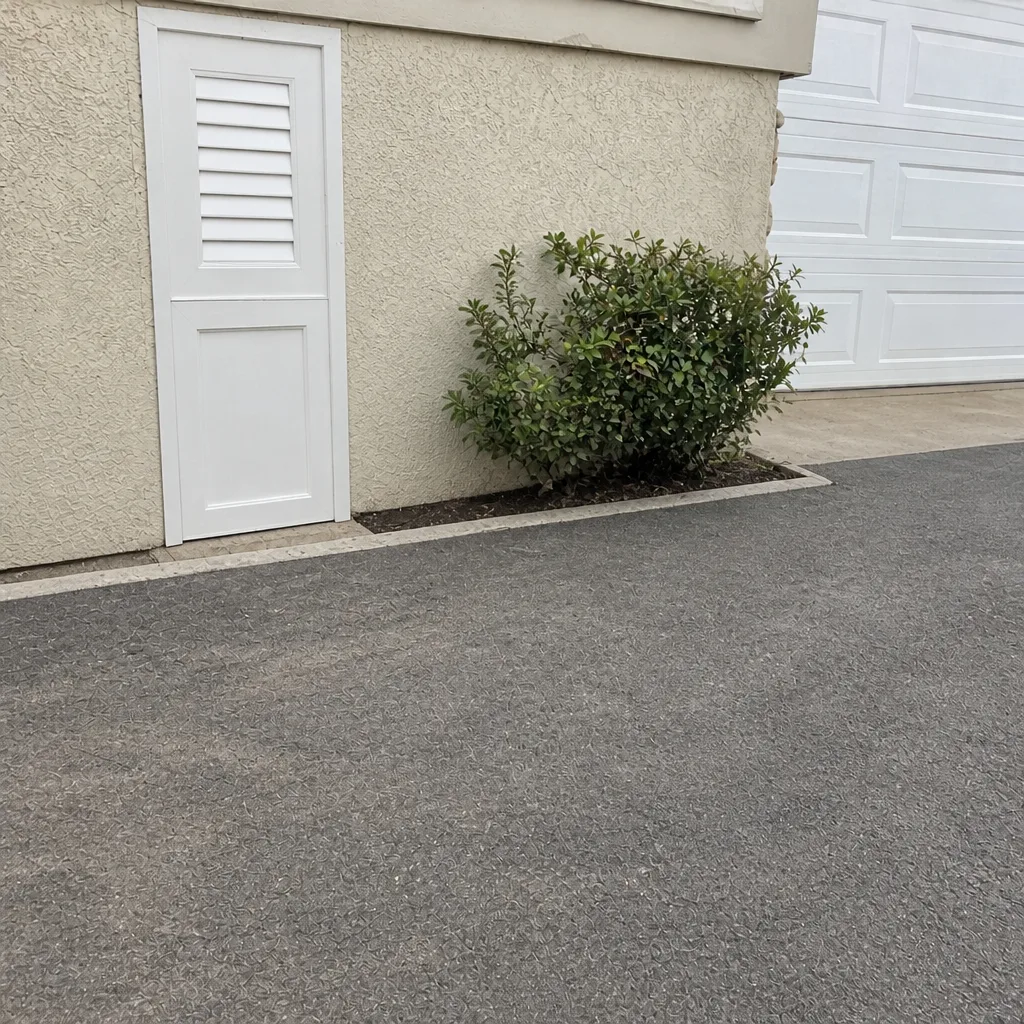 After