
Last updated November 22, 2026
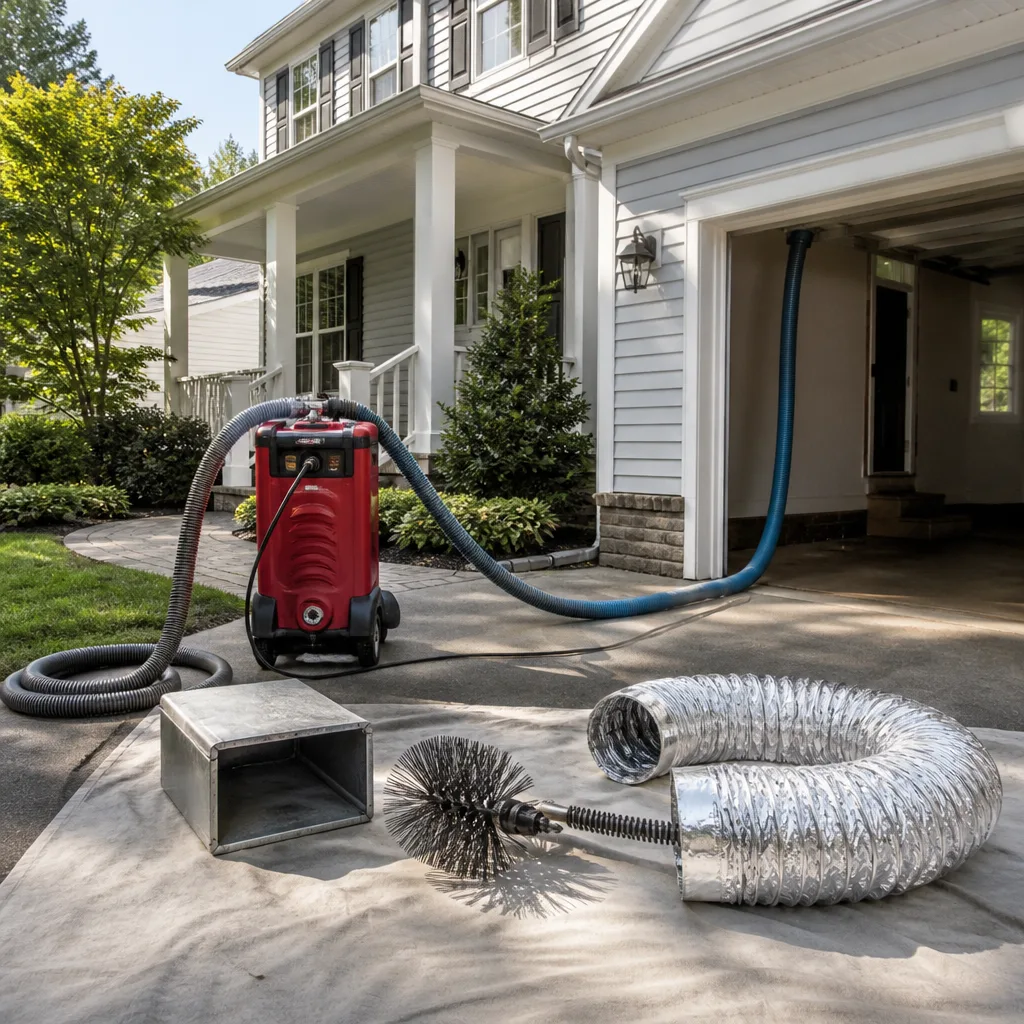 Whole-home duct cleaning
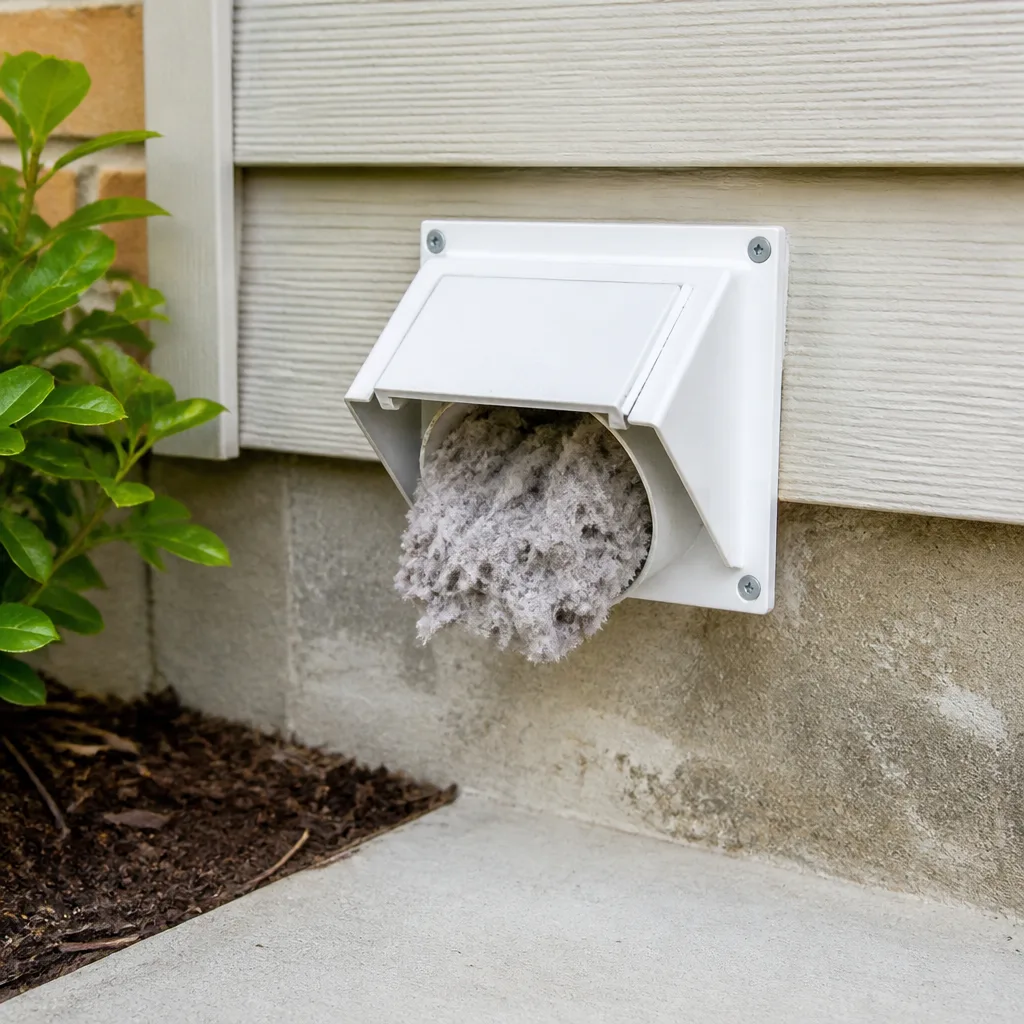 Dryer vent cleaning
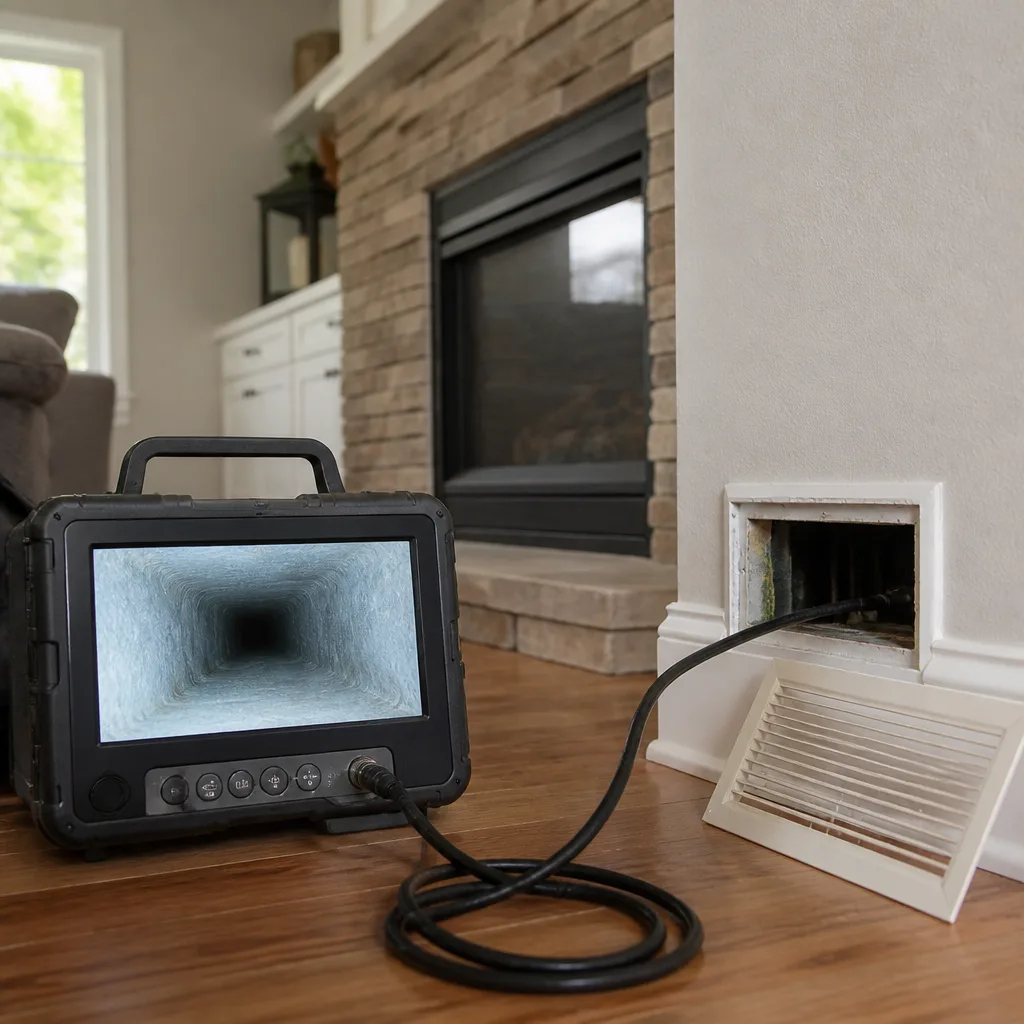 Camera inspection
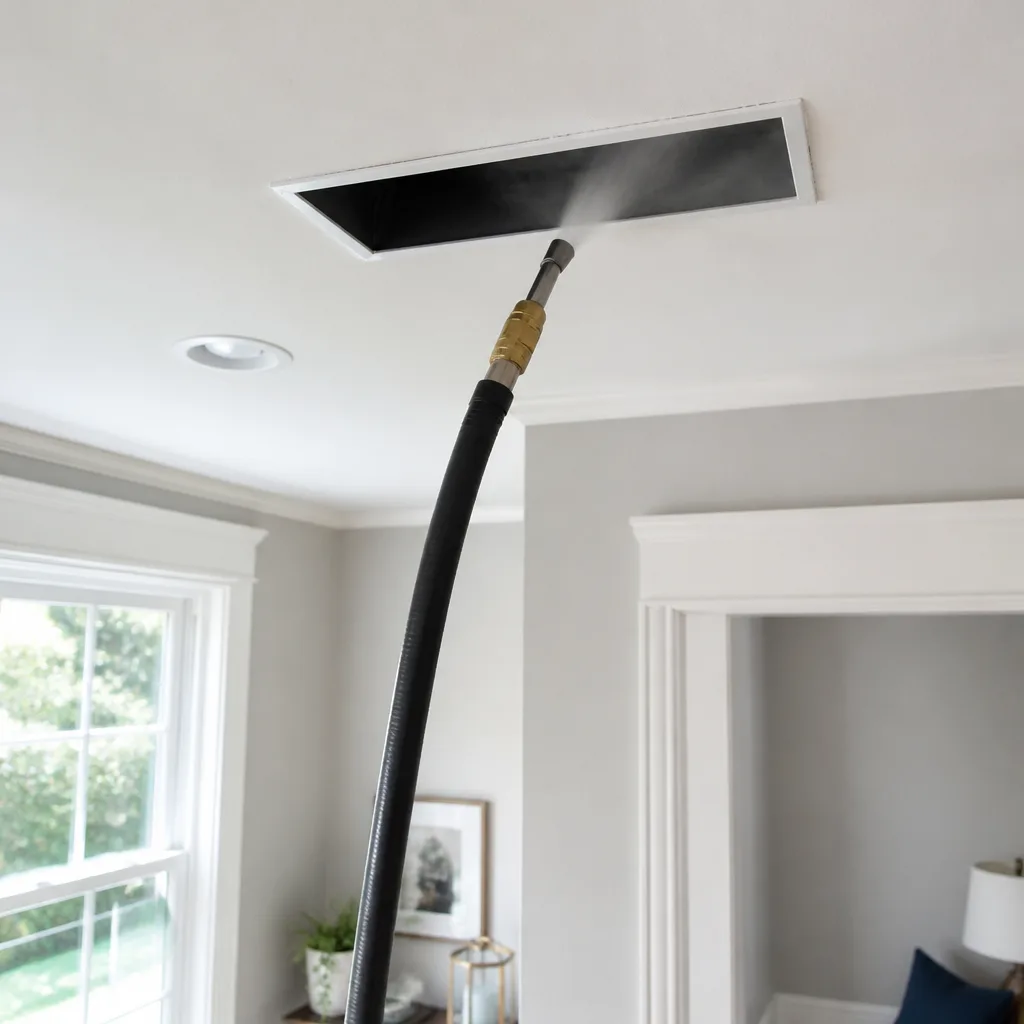 Sanitizing & deodorizing
Whole-system duct and dryer vent check with before-and-after photos - you see exactly what came out of your vents
That "$99 whole-house special" is a bait ad - the real number appears once they are in your hallway, or the "clean" is a shop-vac at the register. We photograph the inside of your ducts before and after instead.
Seasonal Air Duct Cleaning Care for West Hills: Year-Round Homeowner’s Guide
Most seasonal cleaning advice assumes your ducts have one bad season and one quiet one. In West Hills, that model breaks down completely. The same geography that makes this a pleasant place to live – the Santa Susana Mountains to the northwest, the open desert reach to the northeast – also funnels two different classes of fine particulate into your home’s return air at different times of year. Wildfire smoke arrives from one direction. Desert dust arrives from another. Then summer heat pushes your air handler to work harder than it does anywhere else on the calendar, and winter stillness lets moisture sit where it shouldn’t. There’s no slow season for duct contamination here, only four different contamination modes. This guide maps the West Hills climate calendar to the right duct care actions, so you know what to do in September, what to watch in January, and when filter management is genuinely enough.
Quick Answer
Air duct cleaning in West Hills is best scheduled on a seasonal trigger, not a fixed annual date: the highest-priority window is fall (September through November) after Santa Ana wind events, with spring (March through May) as the second-highest window because of renovation and landscaping work. Summer calls for air handler and coil attention rather than duct-run cleaning, and winter calls for moisture monitoring inside flex duct. A rolling 12-month log tells you when professional service is actually triggered.
Styles & brands we work with
- Whole-home duct cleaning
- Dryer vent cleaning
- Camera inspection
- Sanitizing & deodorizing
Table of Contents
- Why West Hills Doesn’t Have a Slow Season
- Fall (September-November): The Santa Ana Wind Protocol
- Winter (December-February): Stagnation and Moisture Risk
- Spring (March-May): Renovation and Landscaping Season
- Summer (June-August): Coil and Drain Pan Priority
- Building Your Rolling 12-Month Duct Log
- Common Mistakes to Avoid
- When to Call a Professional
Why West Hills Doesn’t Have a Slow Season
West Hills sits at the edge of the Santa Susana Mountains, and that position shapes your ductwork’s exposure year-round. Wind coming out of the northwest carries wildfire smoke and ash from the open country beyond the ridge. Wind turning out of the northeast brings desert particulate down through the passes. Those are two chemically different loads. Smoke residue is fine, oily, and clings to surfaces. Desert dust is coarser, more abrasive, and settles into the low points of horizontal duct runs.
Most seasonal cleaning schedules treat “duct cleaning” as one activity to be done once a year, timed by convenience. That misses the actual pattern in West Hills, where the contamination load changes character four times over twelve months:
- Fall: peak particulate loading from wind events
- Winter: low airflow, higher relative humidity inside ductwork, biological growth risk
- Spring: construction and yard-work debris pulled into return air
- Summer: heavy runtime that concentrates contamination at the air handler
The practical upshot: the right question isn’t “how often should I clean my ducts?” It’s “what happened to my ducts since I last looked?” In our experience, a West Hills home that went through a hard fall wind season and a spring re-roofing project can need service more than a home on a strict annual schedule that happened to dodge both.
Filter management handles the routine load. Professional air duct cleaning handles the events. Knowing the difference is the whole guide.
Fall (September-November): The Santa Ana Wind Protocol
Fall is the single highest-priority cleaning window for West Hills homes. Santa Ana wind events push large volumes of fine particulate through the region, and the negative pressure inside a typical house pulls that material straight into the return air stream. Even with windows closed, a home’s HVAC system draws outside air through every gap in the building envelope. What ends up inside the ducts after a major wind event is a specific profile: fine ash and soot, charred organic particles, and a thin oily film that settles on duct walls and coil surfaces.
That oily film matters because it’s what makes fall contamination different from ordinary dust. Smoke residue binds to metal and flex duct surfaces rather than sitting loose. A shop vacuum and a new filter won’t lift it. Professional agitation with a rotary brush system breaks the bond, and negative-pressure extraction carries the loosened material out of the system instead of recirculating it into the room.
What fall cleaning actually involves
- Inspection of the return plenum and main trunk for visible ash and soot accumulation
- Sealing the supply registers and establishing negative pressure at the system with HEPA extraction equipment
- Rotary brush agitation through every accessible branch run to break smoke film off the duct walls
- Cleaning the blower wheel and evaporator coil, where smoke residue collects and then gets redistributed every time the system runs
- Final HEPA pass and verification before registers are reopened
We use Rotobrush rotary brush systems for the agitation step and Nikro industrial vacuums for extraction, because that combination produces enough mechanical action to actually remove smoke film rather than just stir it. The Abatement Technologies HEPA filtration stage matters here too: it’s the same standard of filtration used in remediation and restoration work, and it’s what keeps fine smoke particles from migrating into living space during the cleaning itself.
If a major wind event hits West Hills in October, don’t wait for a “cleaning season.” Get the system cleaned within a few weeks, before the residue cures onto coil fins and duct walls.
Winter (December-February): Stagnation and Moisture Risk
Winter in West Hills doesn’t mean snow or freezing pipes. It means something subtler and, in some ways, harder to catch: reduced HVAC runtime. When the system runs less, airflow through the ducts drops, and the slower-moving air carries less moisture out of the system. Meanwhile attic temperatures fall, and flex duct running through a cooler attic creates a condensation surface on its outer jacket and, in poorly insulated runs, on the interior.
That combination – low airflow plus a cool surface – is the condition mold needs to establish itself inside ductwork. And here’s the part homeowners miss: it often produces no visible symptom. No musty smell reaching the living room, no visible growth at the register. The growth sits in a low spot in an attic run or on the inner liner of a flex section where nobody looks.
What to check in winter
- Any return register that feels noticeably cooler or damper than the others
- Condensation on flex duct jackets in the attic, visible during a routine attic inspection
- A faint musty note that appears only in the first few minutes after the system starts
- Filter housings that show moisture staining rather than dry dust
If you find any of these, the answer isn’t a stronger filter. It’s a duct inspection that includes the air handler and the flex runs, plus sanitizing after cleaning. We work with Guardsman protection products specifically because sanitation that only lasts until the next moisture cycle isn’t worth much; a post-cleaning protective layer extends the result through the rest of the winter.
Winter is also the right season for duct repair and sealing work. A leaking joint in a flex run loses conditioned air into the attic, which makes the moisture problem worse and the heating bill higher at the same time. Sealing is a low-disruption job in winter and it pays off every month afterward.
Spring (March-May): Renovation and Landscaping Season
Spring is West Hills’ second-highest contamination window, and the reason is almost always human activity rather than weather. Attic work, re-roofing, kitchen remodels, and a schedule of yard work that kicks up settled dust all push particulate into the return air. A roofing project alone sends decades of accumulated attic dust into the air, and much of it finds its way into the HVAC system through return leaks and gaps in the building envelope.
Renovation dust is different from wind-driven dust. It’s heavier, it contains construction material fragments, and drywall dust in particular is fine enough to pass through a standard filter and coat the inside of duct runs and the blower wheel. Drywall dust on a blower wheel throws off its balance and reduces airflow. That’s a mechanical consequence, not just a cleanliness issue.
Spring cleaning sequence if you’ve had work done
- Complete all construction and exterior work first, including final cleanup and any drywall sanding
- Run the system on fan-only for a short period to pull residual airborne dust into the filter, then change the filter
- Schedule duct cleaning once construction dust has settled, typically within a few weeks of project completion
- Have the blower wheel inspected for drywall dust accumulation and cleaned if needed
- Check and seal any return-side leaks the construction may have exposed
If you’re remodeling, the cleanest approach is to seal registers in the work zone with plastic and tape before demolition starts. It’s not perfect, but it cuts the load substantially. Then clean afterward rather than before.
Spring is also a fine time to address dryer vent maintenance, since the same season brings laundry loads up and the vent has often gone a year untouched. A clogged dryer vent is a leading cause of residential fires, and it’s the item most duct-only companies never mention. Our dryer vent cleaning is a standalone service for exactly that reason.
Summer (June-August): Coil and Drain Pan Priority
Summer flips the priority entirely. In West Hills heat, the HVAC system runs long and often, and the contamination risk moves from the duct runs to the air handler itself. The evaporator coil stays wet for most of the cooling season, and a wet coil is a particulate magnet. Dust that makes it past the filter sticks to the coil fins. The condensate drain pan collects a constant film of moisture and organic material. That’s where biological growth starts in summer, not in the ducts.
This is the counterintuitive part: a homeowner who has their ducts cleaned every summer but never has the coil and drain pan cleaned is addressing the smaller half of the problem. A dirty coil reduces cooling capacity and raises energy use at exactly the time of year you can least afford either. A fouled drain pan is a growth reservoir that pushes spores back into the airstream every time the blower runs.
Summer maintenance priorities
- Coil cleaning: removes the dust mat that insulates fins and cuts heat transfer
- Drain pan cleaning and flush: clears biofilm before it becomes a persistent reservoir
- Blower wheel inspection: checks for dust imbalance and airflow loss
- Filter change frequency check: in heavy-runtime months, filters load faster than the label suggests
- Whole-home filtration review: hot-season particulate loads are a good reason to look at a higher-efficiency system
We’re authorized to work with Honeywell and Aprilaire whole-home air quality systems, which means summer is a sensible time to upgrade filtration rather than just swap filters more often. A properly sized media cabinet or whole-home filter runs at a much higher efficiency than a 1-inch slot filter and handles the summer particulate load without choking airflow.
Our HVAC cleaning service covers the air handler side – coil, drain pan, blower, and cabinet – as a separate job from duct run cleaning. In summer, that’s usually the more valuable one.
Building Your Rolling 12-Month Duct Log
A rolling 12-month log is simply a written record of what happened to your ducts and when, so you can decide when service is triggered rather than guessing. It takes about ten minutes a month. The payoff is that you stop paying for cleaning on a schedule that doesn’t match your actual conditions, and you stop missing the events that genuinely warrant service.
What to log each month
- Filter change date and filter condition – note whether the filter came out gray, black, or visibly loaded
- Any wind event with visible smoke or dust – log the date and rough duration
- Any construction, roofing, or attic work – note start and end dates and whether registers were sealed
- Any moisture sign – condensation, musty smell on startup, damp filter housing
- Any airflow change – rooms that cool more slowly, registers that feel weaker
- Any service performed – date, what was cleaned, and by whom
How to read the log
The log tells you when to call for professional service by surfacing triggers rather than a calendar date. Professional service is triggered when any of these appear:
- A major smoke or dust event with visible accumulation afterward
- Construction or roofing work completed within the past few months
- Any moisture sign in the system
- Persistent airflow reduction that a filter change doesn’t fix
- Visible dust discharge at registers after the system starts
Filter management is sufficient when none of those triggers are present and your filter is loading at a normal rate. In that case, keep logging, keep changing filters on schedule, and skip the cleaning visit. That’s the honest answer, and it’s why a log is worth more than an annual reminder.
See the difference
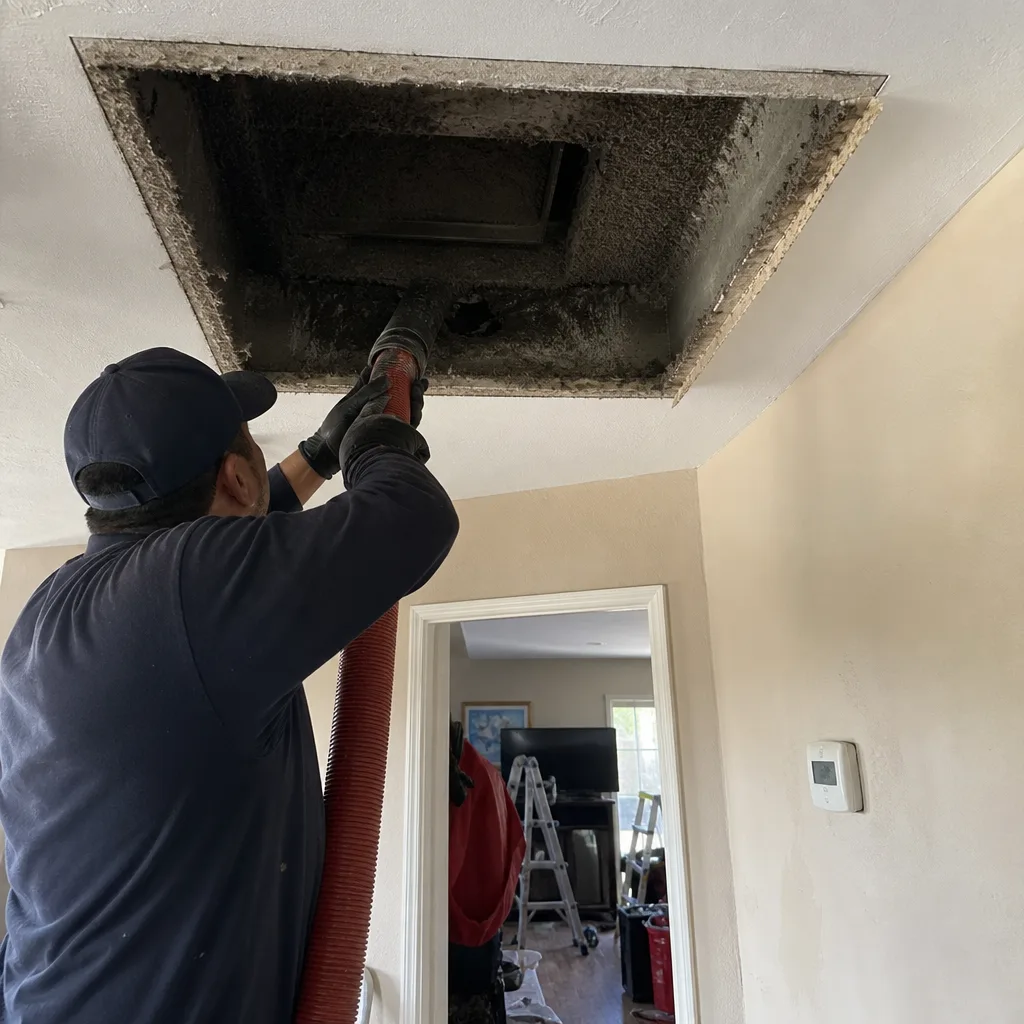 Before
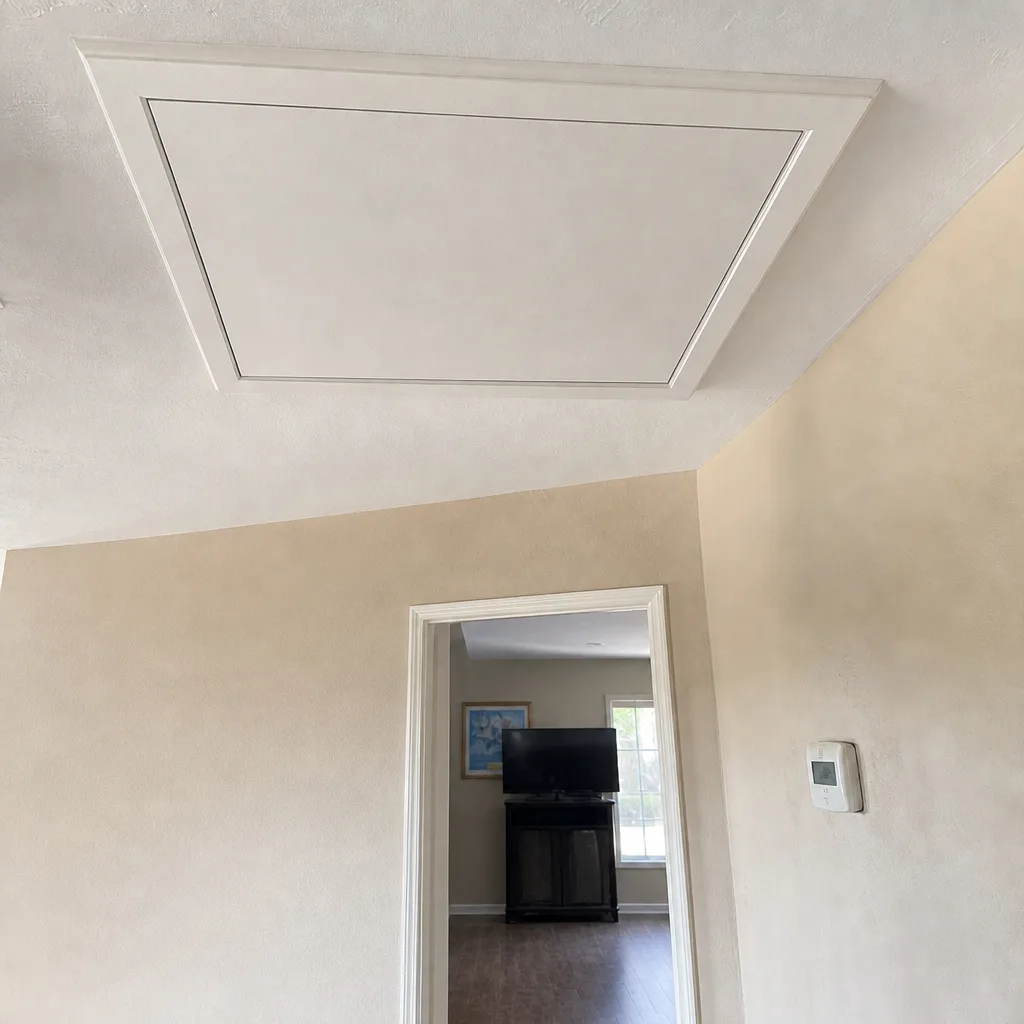 After
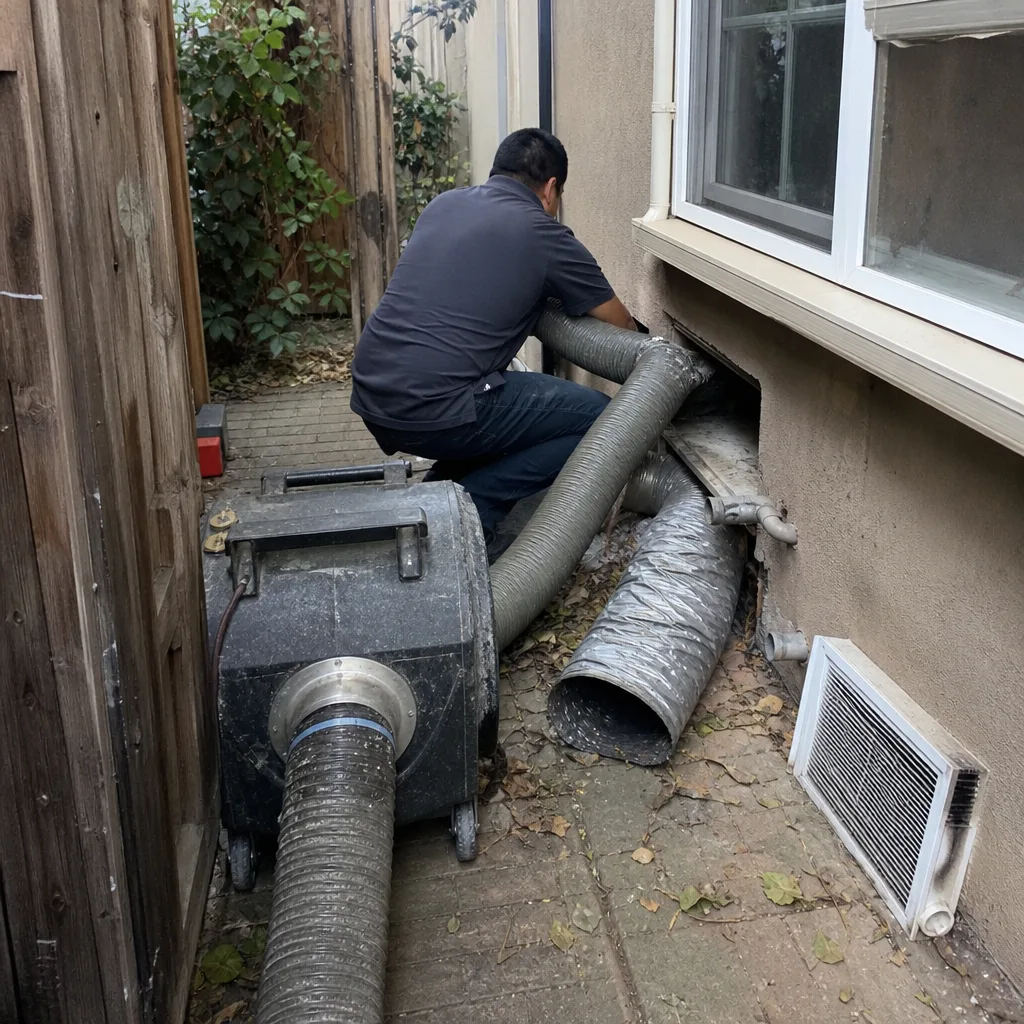 Before
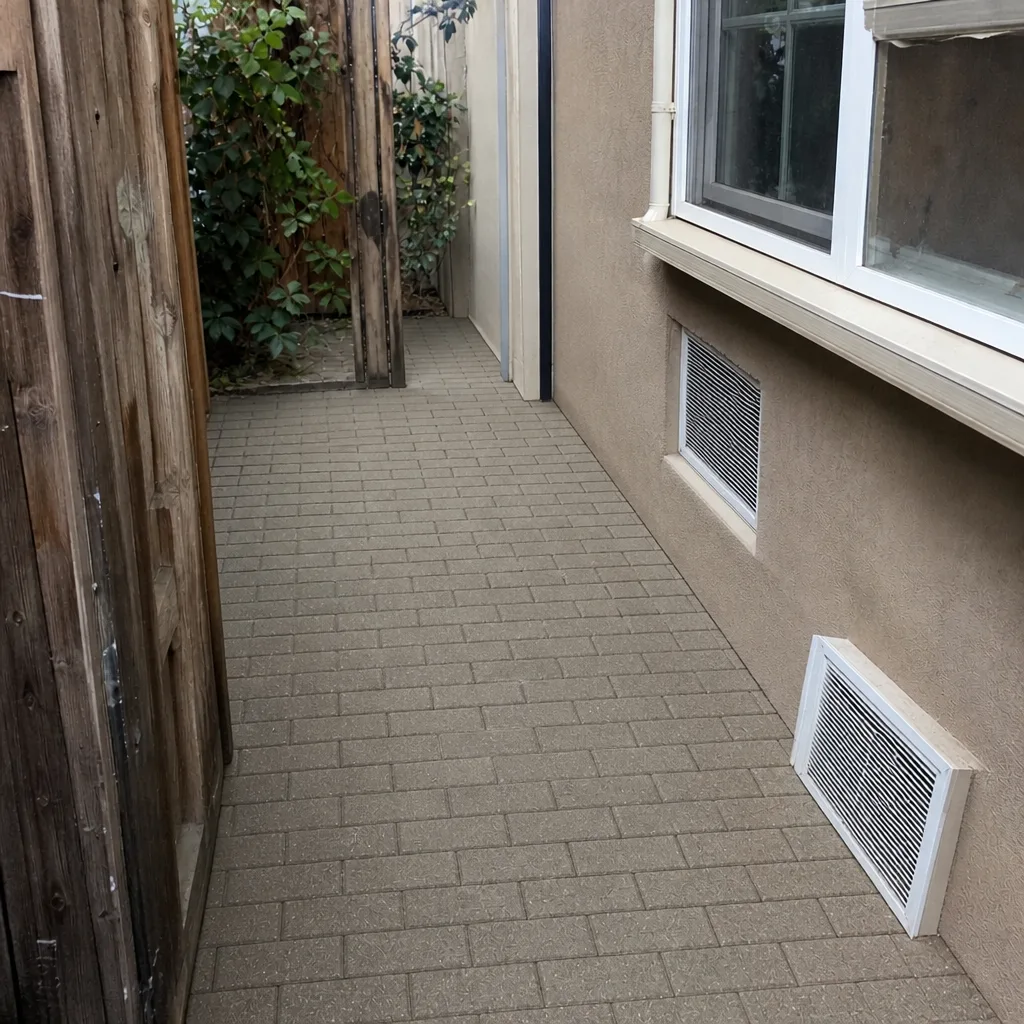 After
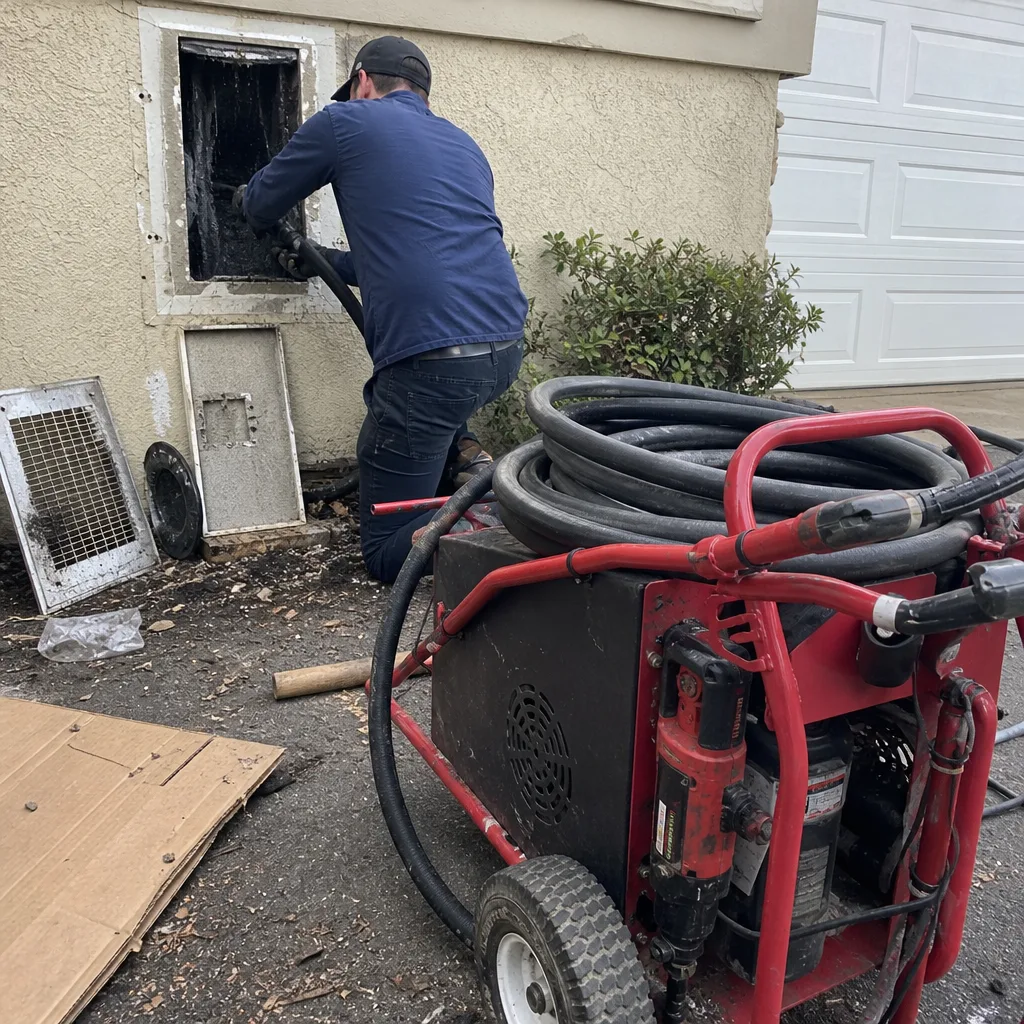 Before
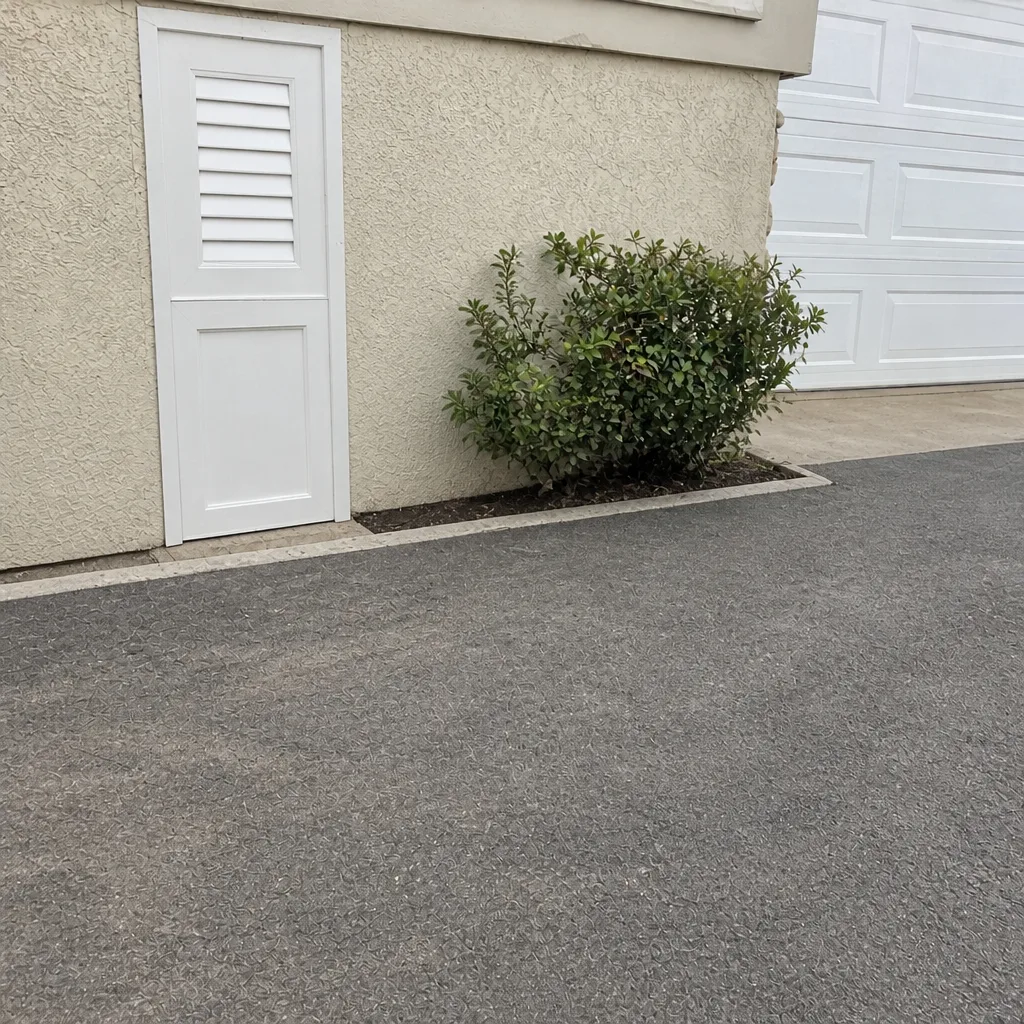 After
Common Mistakes to Avoid
- Cleaning on a fixed annual date. A West Hills home that went through a severe fall wind season and a spring re-roofing project can need service in October and again in May, while a home that dodged both can wait longer. The calendar isn’t the trigger.
- Treating duct cleaning as the whole job. If the coil, drain pan, and blower aren’t addressed, the system re-contaminates the ducts within a season. Cleaning duct runs while ignoring the air handler is half a job.
- Cleaning before renovation instead of after. Drywall dust and construction debris will undo a cleaning completed before the work. Seal registers during the work, then clean once it’s done.
- Assuming mold means a musty smell. Winter growth inside attic flex duct often produces no smell in the living space at all. If there’s a moisture sign, inspect rather than wait for an odor.
- Ignoring the dryer vent. It’s a separate system from the HVAC ducts and a leading cause of residential fires. Most duct-only companies never touch it.
- Upgrading filters without checking airflow. A filter with too high a pressure drop can starve the system. Match filtration upgrades to the equipment’s design.
- Never sealing return-side leaks. Leaks pull attic and wall-cavity air into the system. Cleaning without sealing means re-contamination from the same source within months.
When to Call a Professional
Call for professional service when your log shows a trigger: a major wind event with visible accumulation, completed construction or roofing work, any moisture sign inside the system, persistent airflow reduction, or visible dust discharge at registers. Call sooner if anyone in the home has asthma or allergies and symptoms track with system runtime, or if a renovation is about to start and you want the system cleaned first so the post-project cleaning isn’t starting from a bad baseline. If none of those apply and your filters load normally, keep managing with filters and skip the visit.
Air Duct Cleaning West Hills offers free estimates in West Hills. Call (855) 658-4109. We answer 24/7. Fast dispatch from 7am to 7pm, Sunday through Friday.
Frequently Asked Questions
Most West Hills homes do best with duct cleaning triggered by events rather than a fixed schedule: usually after a major Santa Ana wind event in fall, and again after spring renovation or roofing work. Homes without those triggers often go longer between cleanings with good filter management. The right interval depends on what actually happened to your system, not on a calendar year.
Yes, fall is the highest-priority window in West Hills because Santa Ana wind events deliver the heaviest and most adhesive particulate load of the year. Smoke and soot residue binds to duct walls and coil surfaces, so it’s harder to remove the longer it sits. Cleaning within a few weeks of a major wind event is far more effective than waiting until spring.
Yes, growth inside flex duct in a cool attic often produces no smell in the living space and no visible sign at the registers. Reduced winter HVAC runtime and cooler attic surfaces create the moisture conditions mold needs, hidden from view. A duct inspection that includes the attic runs and air handler is the only way to confirm.
Duct cleaning addresses the duct runs, plenum, and registers. HVAC cleaning addresses the air handler: evaporator coil, drain pan, blower wheel, and cabinet. They’re separate jobs, and in West Hills summer the air handler is usually the higher-priority one because heavy runtime concentrates contamination there. Both are worth doing, on the seasonal timing that matches each one.
Your dryer vent is a separate system from your HVAC ducts, and a clogged dryer vent is a leading cause of residential fires. Duct-only companies typically don’t service it, which is why it goes years without attention. We handle dryer vent cleaning as a standalone service so it doesn’t get skipped.
Ask for before-and-after photos of your own ducts, not stock images, and ask which equipment is being used and why. Professional cleaning relies on rotary brush agitation plus negative-pressure HEPA extraction, and the technician should be able to explain both. On-site inspection with photos before and after is the verifiable answer to “was this actually done?”
Call (855) 658-4109 for an exact quote. Estimates are free.
The Bottom Line
West Hills doesn’t have a duct cleaning season, it has four. Fall brings the heaviest particulate load from Santa Ana winds, and it’s the highest-priority cleaning window of the year. Winter is the moisture-risk season, when reduced runtime and cool attic temperatures let growth establish itself invisibly. Spring brings renovation and landscaping debris and is the second-highest window. Summer moves the priority to the air handler, coil, and drain pan. Build a rolling 12-month log so you know which of these actually applied to your home, and call for service when the triggers appear rather than on a fixed date. Filters handle the routine load. Professional cleaning handles the events.
If your log shows a trigger, Air Duct Cleaning West Hills is here to help. Call (855) 658-4109. We answer 24/7. Fast dispatch from 7am to 7pm, Sunday through Friday.
Written by the team at Air Duct Cleaning West Hills.