
Last updated November 22, 2026
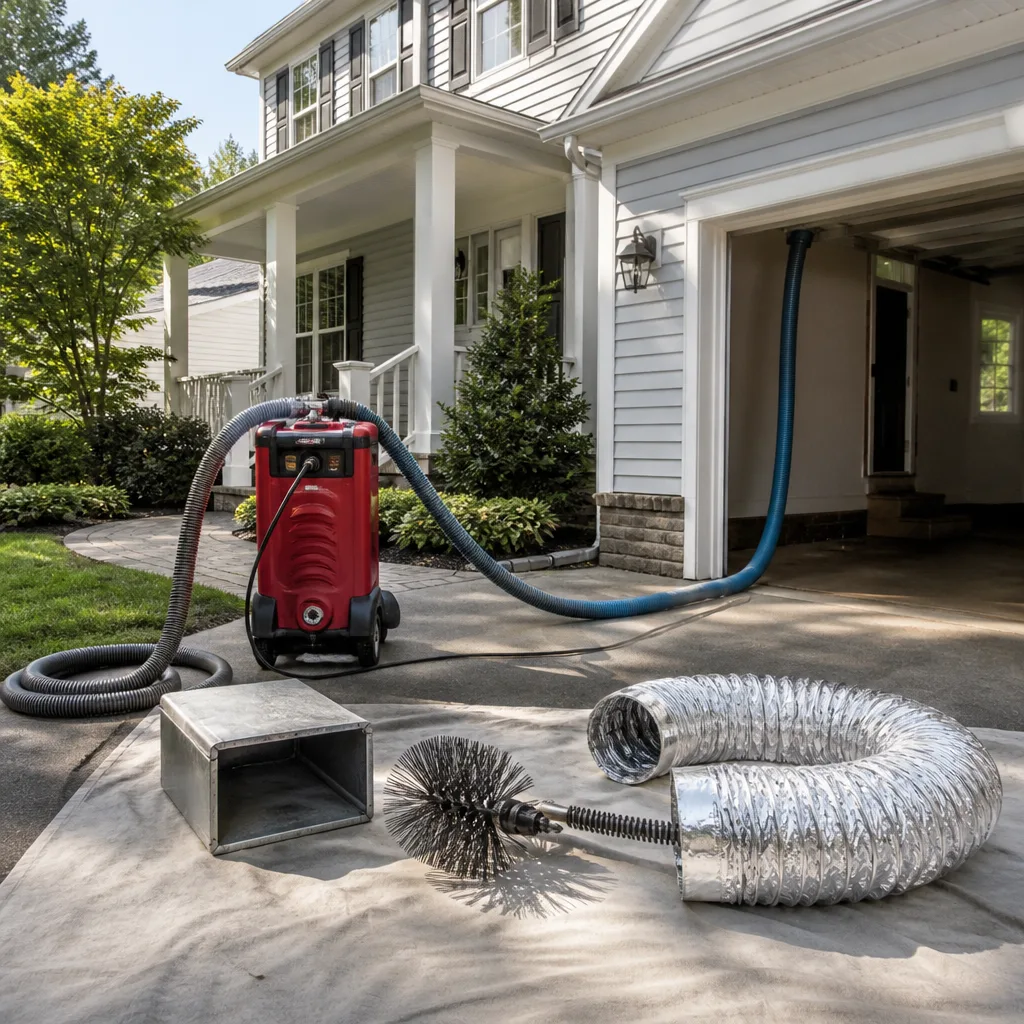 Whole-home duct cleaning
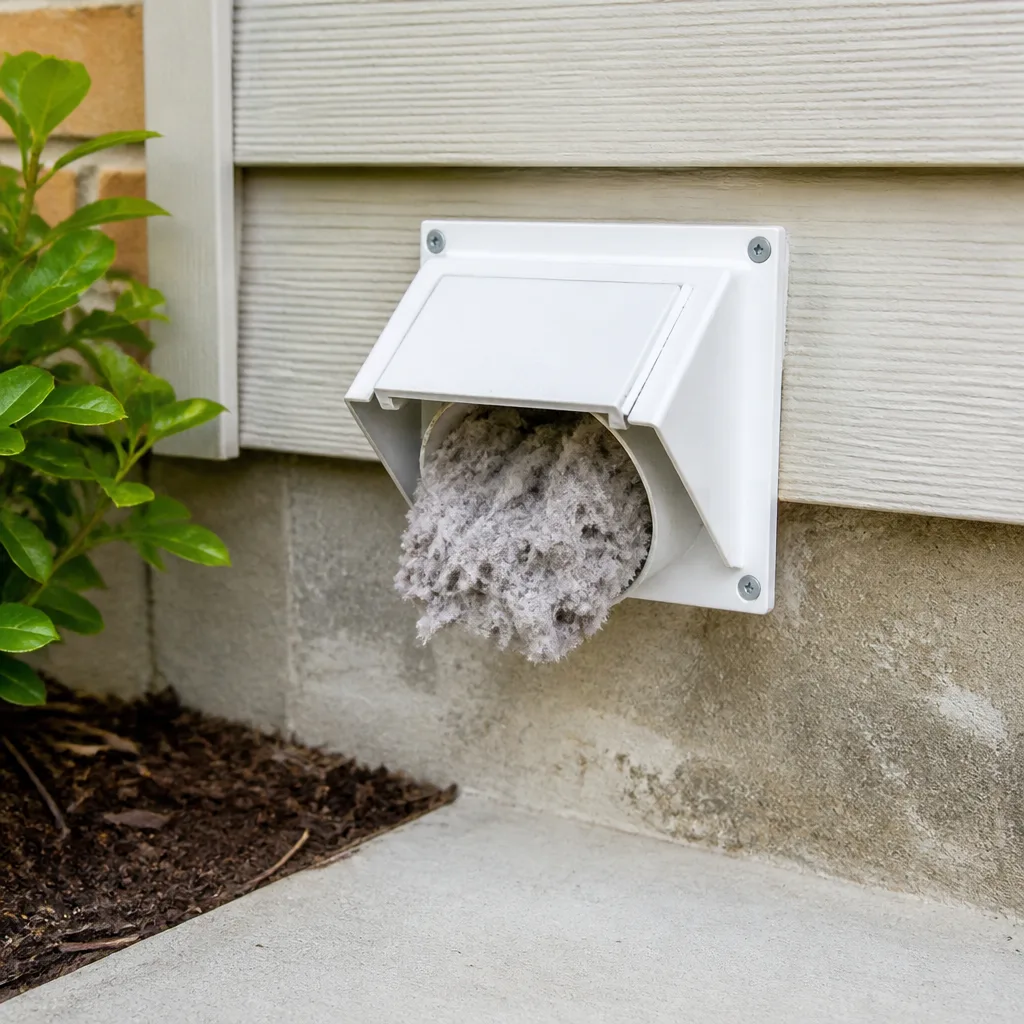 Dryer vent cleaning
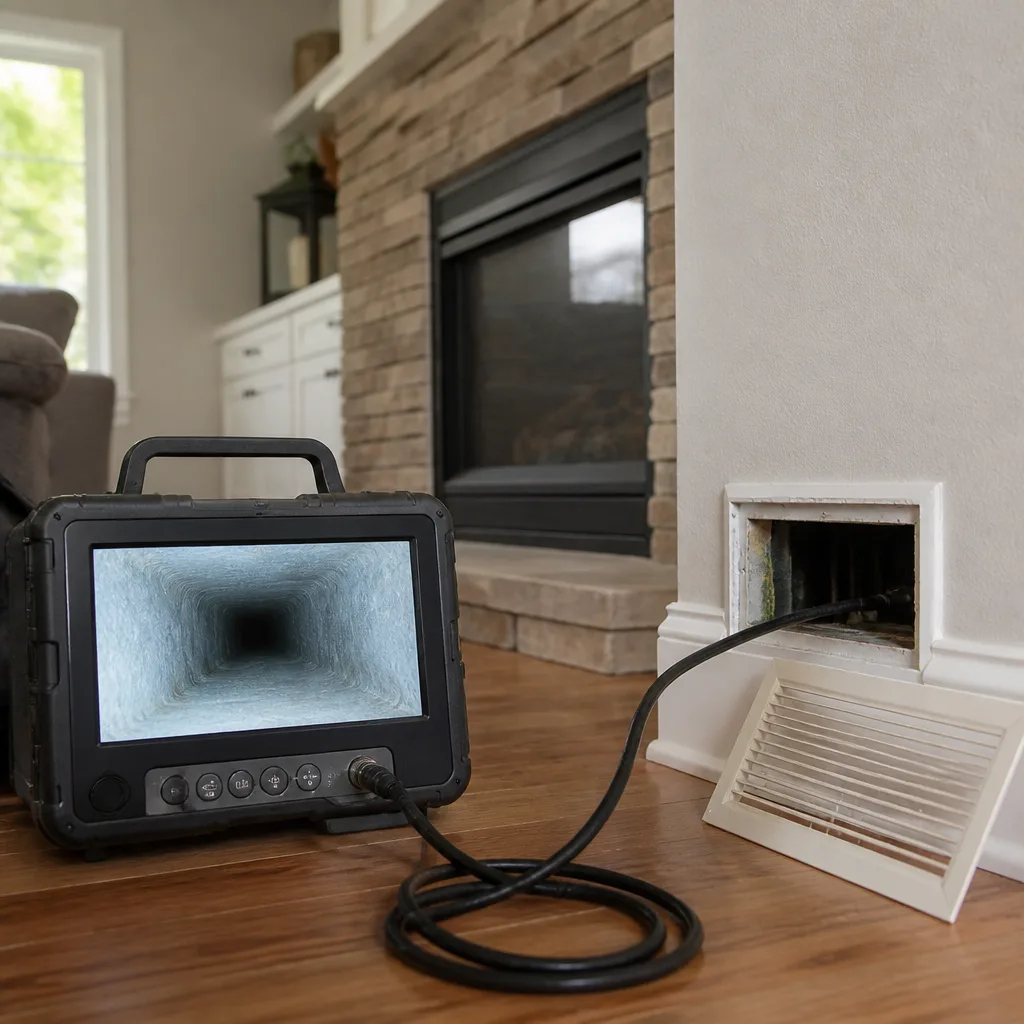 Camera inspection
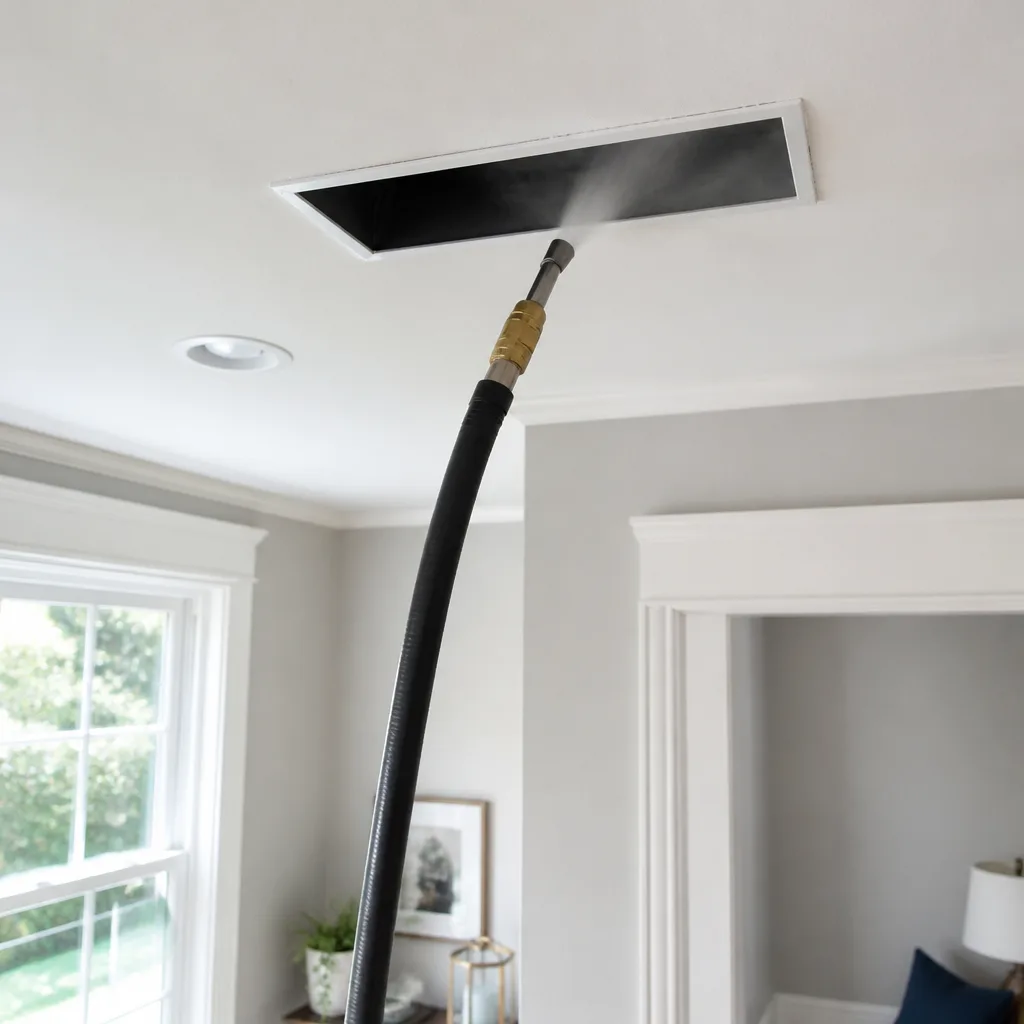 Sanitizing & deodorizing
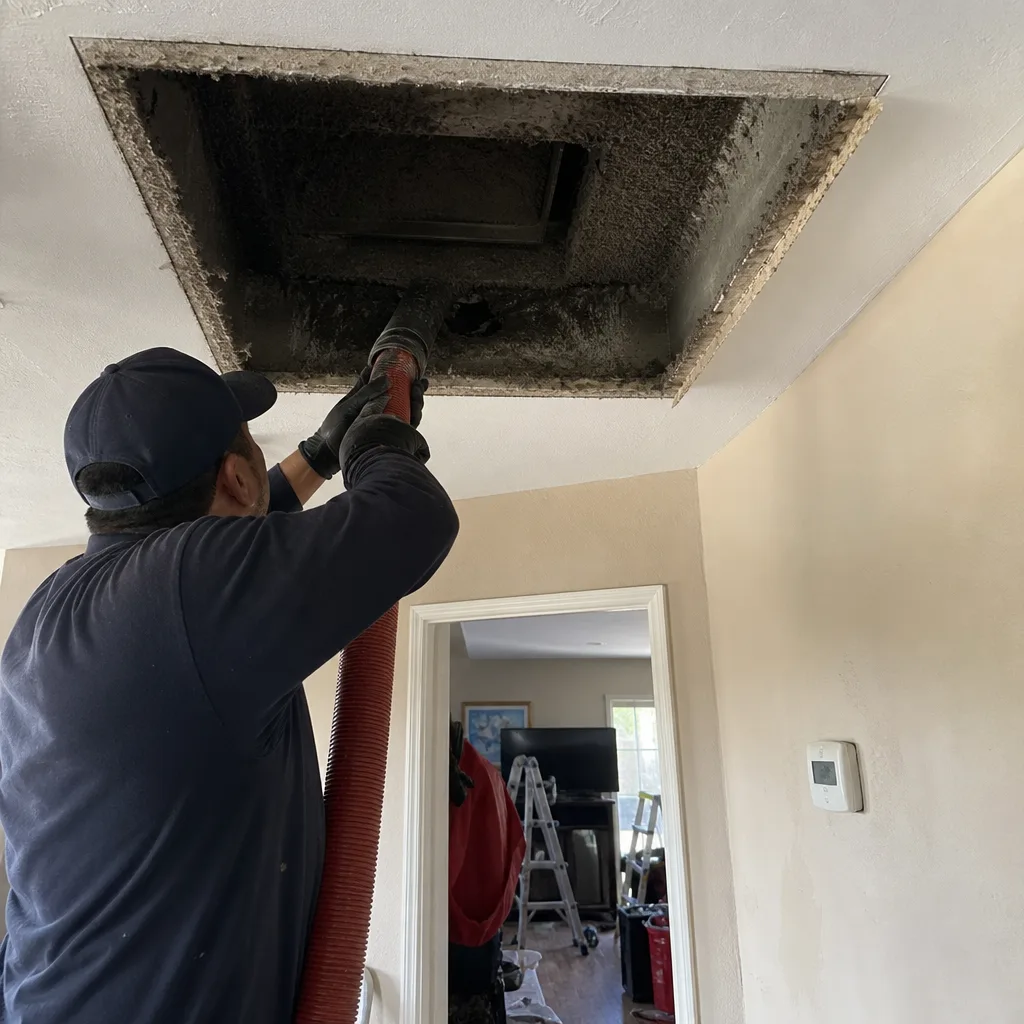
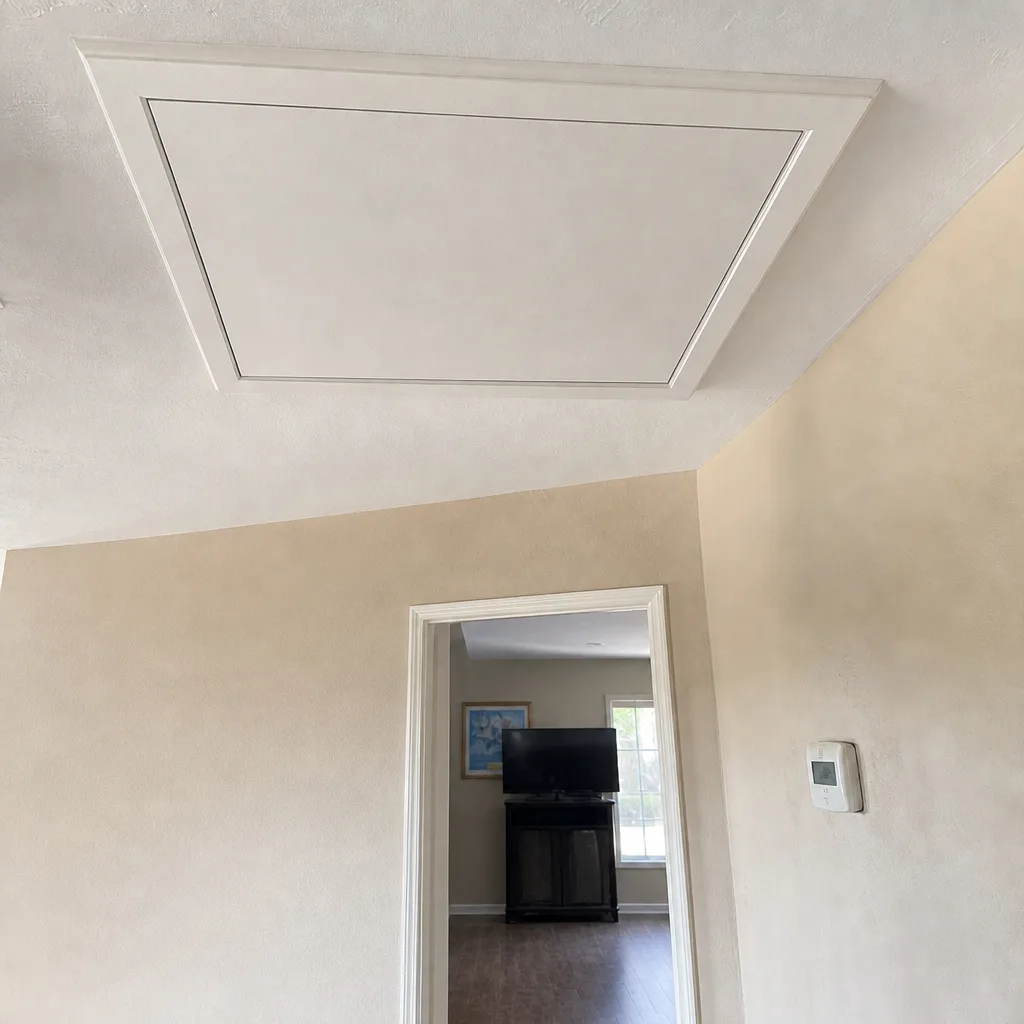
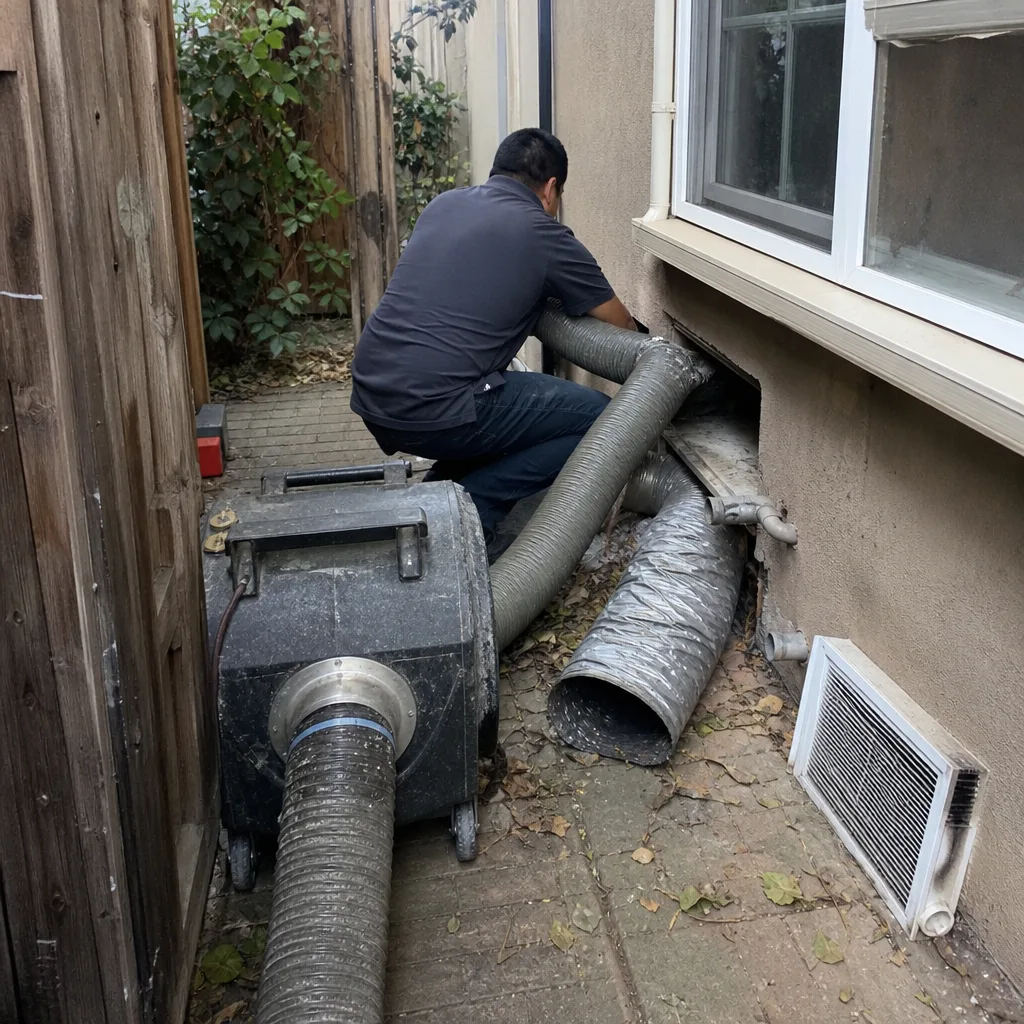
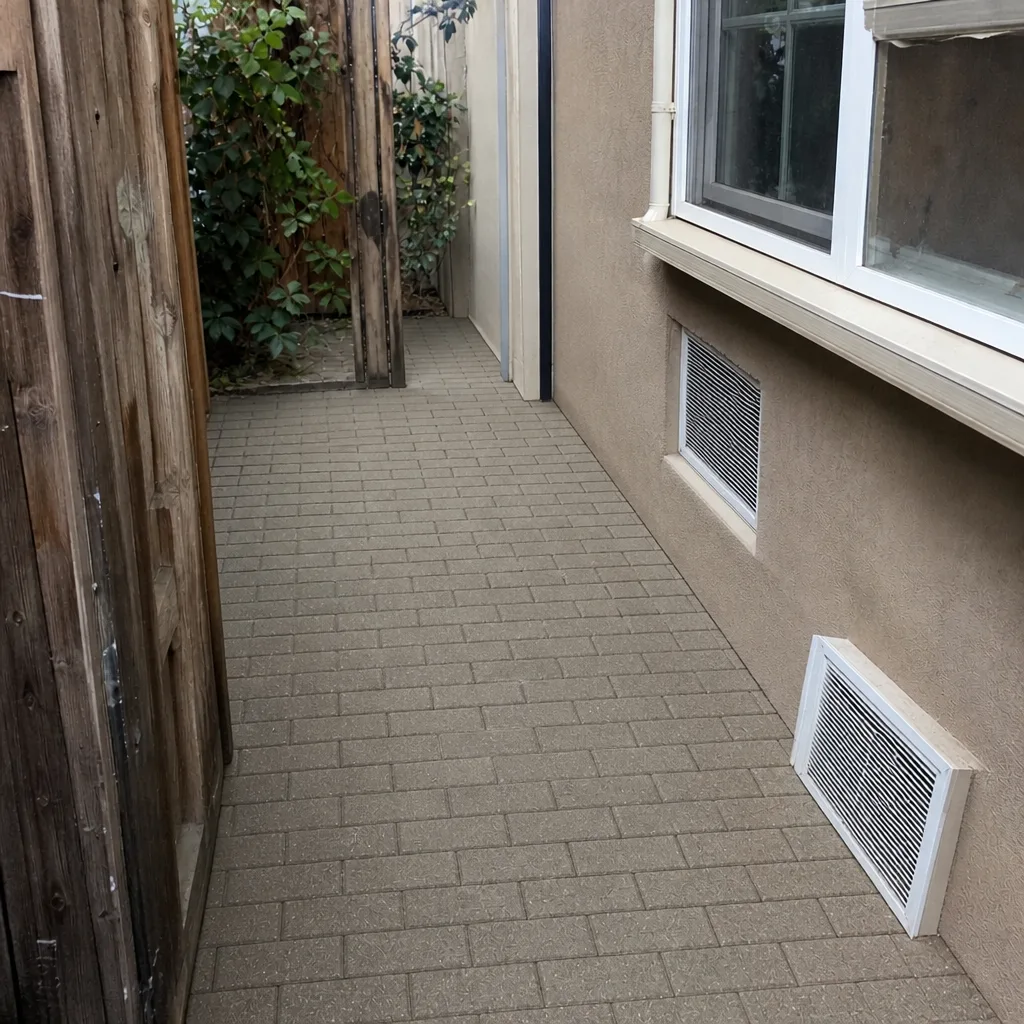
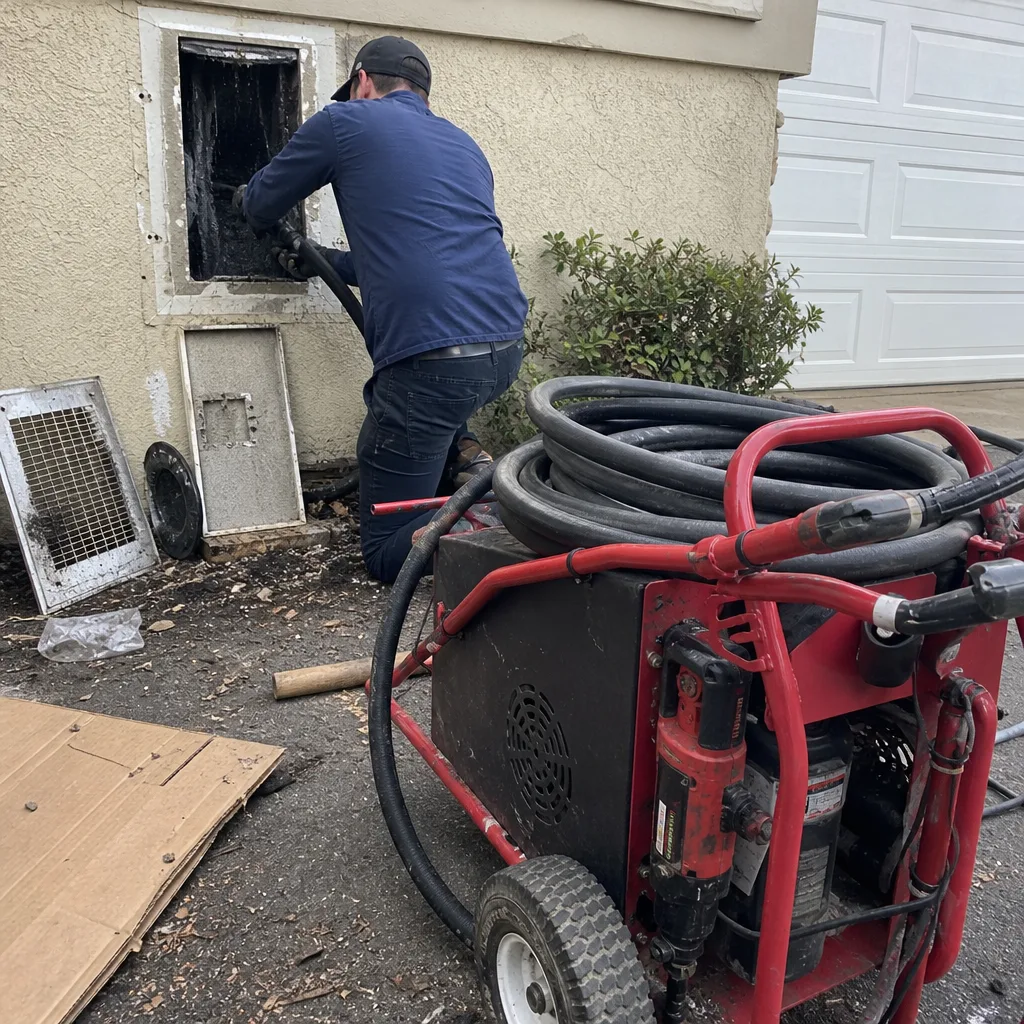
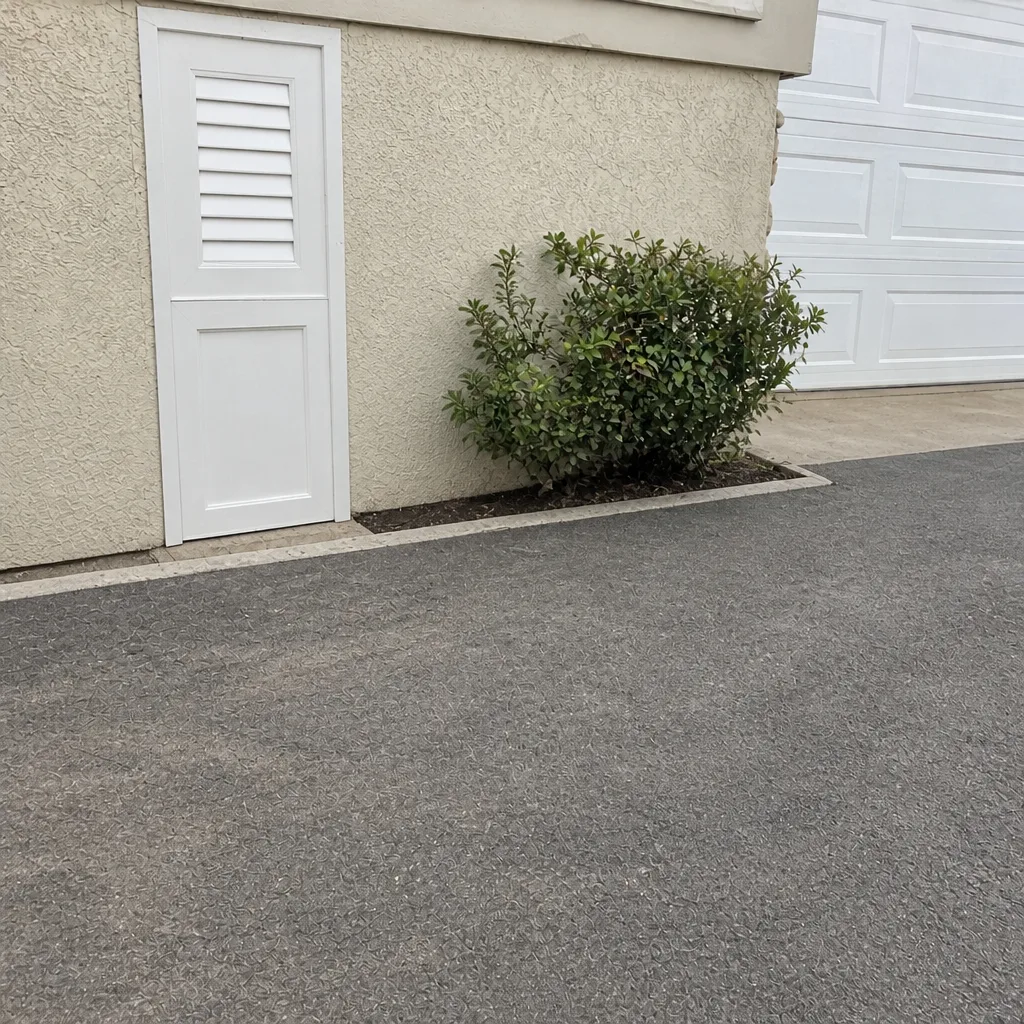
Whole-system duct and dryer vent check with before-and-after photos - you see exactly what came out of your vents
That "$99 whole-house special" is a bait ad - the real number appears once they are in your hallway, or the "clean" is a shop-vac at the register. We photograph the inside of your ducts before and after instead.
Air Duct Cleaning Permits, Codes & Inspections in West Hills, CA: What You Need to Know
Most West Hills homeowners assume that air duct cleaning lives completely outside the permit system, and for a straight cleaning job they’re right. The misconception starts when the job changes shape: a technician climbs into the attic, finds duct connections leaking at the collar, seals them with mastic, and never files a thing. That sealing work is a mechanical modification, and in a West Hills home it can sit in a different legal category than the vacuuming that came before it. This guide draws that line clearly. You’ll learn where cleaning ends and repair begins, what California Title 24, Part 6 expects from duct work, when a licensed contractor is mandatory, and how to get compliance documentation that holds up at resale, refinance, or an insurance claim.
Styles & brands we work with
- Whole-home duct cleaning
- Dryer vent cleaning
- Camera inspection
- Sanitizing & deodorizing
Quick Answer
Routine air duct cleaning in West Hills generally requires no building permit. Duct sealing, repair, replacement, or any change to the size, routing, or connection of ductwork is a mechanical alteration, and under LA County mechanical code that work typically requires a permit and a final inspection. Work performed on a Title 24-regulated duct system during a cleaning visit must meet the same sealing and testing standards as new installation. Ask for the permit number and the signed final inspection before you pay.
Table of Contents
- Cleaning vs. Repair: Where the Permit Line Actually Falls
- What California Title 24 Says About Duct Sealing in West Hills Homes
- When Duct Mold Crosses From Cleaning Into Licensed Remediation
- How to Request Final Inspection and Compliance Documentation
- Homeowner Liability: Fire Claims, Inspections, and Refinance Appraisals
- How West Hills Climate and Housing Shape Duct Condition
- Questions to Ask Before You Sign a Duct Work Estimate
- Keeping Your Own Record of Mechanical Work
Cleaning vs. Repair: Where the Permit Line Actually Falls
The dividing line is simple in principle and murky in practice. Cleaning removes accumulated debris from inside an existing duct system without altering it. Repair changes the physical system, and the building code treats any change to mechanical equipment or distribution as a regulated act requiring a permit and inspection. The confusion happens because the two are often performed on the same visit by the same technician.
In West Hills, a typical single-family home has a central forced-air system running flex duct through the attic or rigid trunk lines in a soffit or crawlspace. When a technician from Air Duct Cleaning West Hills opens that system to clean it, the code does not require a permit for the cleaning itself. The permit question arrives the moment the technician notices a disconnected collar, torn flex at a wye, or a joint sealed with duct tape that’s peeled away. Reconnecting and sealing those points is repair.
Examples help clarify which bucket a given task falls into:
- Cleaning only, no permit: brush and negative-pressure extraction of a connected, intact duct run; register and grille removal for access; sanitizing application on interior surfaces without demolition.
- Repair requiring a permit: replacing a section of torn flex duct; reconnecting a disconnected boot; sealing a leaking trunk joint with mastic or approved tape; resizing a return; adding a new supply run; rerouting a trunk line.
- Capital replacement: swapping out an air handler, adding a zone, or installing a new duct system. These are full mechanical permits with load calculations attached.
One honest clarification: many West Hills homeowners call for air duct cleaning and discover at the estimate that half the job is repair. A contractor should tell you which portion of the estimate is cleaning and which portion is mechanical work that will be permitted. If that distinction isn’t on the written estimate, ask for it in writing before you sign.
What California Title 24 Says About Duct Sealing in West Hills Homes
California’s Title 24, Part 6 sets the energy efficiency standards for construction, additions, and alterations in the state. Duct work lives inside that code because ducts running through unconditioned space leak air, and leaked air wastes energy. When a duct system in a West Hills home is accessed and found to be leaking during a cleaning job, the repair that follows has to meet the same sealing standard that applies when a new system is installed.
What Title 24 actually requires of duct work is worth understanding in plain terms, because it directly affects what a good sealing job looks like:
- Sealing of all joints: every connection between duct sections, between duct and register boot, and between the boot and the wall or floor assembly has to be sealed with an approved method. Mastic and code-approved foil-backed tape are the standard; cloth-backed duct tape is not.
- Sealing at the plenum: the transition between the air handler and the duct trunk needs to be sealed against air loss.
- Duct leakage testing: when required by the permit scope, a duct blaster test measures how much air the system loses to the surrounding space. The results are documented, and the permit isn’t signed off until the numbers pass.
- Insulation integrity: ducts in unconditioned West Hills attics need intact insulation along with the seal. A sealed duct that’s lost its insulation still loses energy.
We use Rotobrush rotary brush agitation paired with Nikro negative-pressure extraction because the cleaning has to be complete before sealing begins; sealing a dirty joint traps contaminants inside the system. Then the sealing work follows the Title 24 standard whether or not the permit scope formally requires testing. The Abatement Technologies HEPA filtration equipment we run during the extraction phase matters here too, because a job that opens ductwork in a West Hills attic moves a lot of dust into the air before it’s captured.
The practical takeaway: Title 24 compliance is a paper trail, not a claim. If your contractor says the sealing work is “Title 24 compliant,” ask which permit covered the work and what the final inspection recorded. A verbal assurance isn’t a compliance record.
When Duct Mold Crosses From Cleaning Into Licensed Remediation
Surface mold on the inside of a duct is often addressable with cleaning and sanitizing. When the mold has spread into building materials, into the air handler insulation, or across more than a small isolated area, California law treats the work as a different service category. The California Health & Safety Code governs the contractor classification for mold remediation work, and the California Contractors State License Board enforces it. Remediation above a small threshold typically has to be performed by a contractor holding the appropriate remediation classification.
For a West Hills homeowner, the practical question is this: is the visible growth confined to the duct interior, or has it spread to surrounding material? In our experience, the answer is often stated too casually by contractors who want the job. What a trained technician looks for goes like this:
- Extent: isolated patches near a register or boot differ from growth running the length of an insulated run.
- Substrate: porous material like fiberglass duct board and internal liner hold moisture and complicate cleaning. Metal duct surfaces clean more predictably.
- Moisture source: a mold problem that recurs is almost always a moisture problem. Cleaning without finding the source is temporary.
- Air handler interior: evaporator coil, drain pan, and blower housing. Mold here is beyond the duct and requires the HVAC portion of the job to be scoped separately.
For pure cleanup and sanitizing within scope, we rely on Guardsman-backed protection products that extend the sanitation result and give the homeowner a defensible layer against regrowth. For growth that clearly exceeds surface cleaning, the job belongs with a licensed remediation contractor, and we say so. That’s not a service gap; it’s the correct scope statement. A duct system that becomes contaminated again two months after cleaning usually wasn’t cleaned by the wrong company. It was the wrong category of work performed in the first place.
If you’re working through a renovating project and the ducts are in scope, HVAC cleaning is often the step that comes after drywall work. Construction dust is fine-particulate and gets into the entire air path, not just the duct runs. That’s a separate estimate and a separate scope from mold remediation, and it doesn’t need a remediation license, but it does need HEPA-grade extraction to be worth the money.
How to Request Final Inspection and Compliance Documentation
Permitted duct work in Los Angeles County requires an inspection before the permit is closed. The inspector looks at the sealing work, and when the permit scope calls for it, reviews the duct leakage test results. The permit holder is the contractor, so the contractor is responsible for scheduling the inspection and for handing you the documentation. Many homeowners never ask for it. That’s the mistake.
Here’s how to request the record, step by step:
- Ask for the permit number at the estimate stage. A contractor who intends to permit the sealing work will know the process and won’t be thrown by the question. A contractor who plans to skip the permit will deflect, which is your signal.
- Confirm the scope in writing. The written estimate should state which portions are cleaning (no permit) and which are mechanical (permit). It should also say what the permit fee is, or note that fees are separate.
- Ask who schedules the inspection. It’s the contractor’s job. Confirm they’ll be on site for it.
- Ask for the test results. If the permit scope included a duct blaster test, request the report. The number should be documented, not verbal.
- Request the final inspection record. Once the inspection passes, ask for a copy of the signed inspection card or the county’s record. Keep it with your home file.
- Confirm the warranty in writing. Many manufacturer warranties on HVAC equipment and duct systems require that installation and modification work be performed to code. Unpermitted work that later triggers a warranty claim can complicate that claim.
One honest note on timeline: duct sealing permits in West Hills often take longer to inspect than the work itself takes to perform. An inspector appointment can be a week or more out. That gap frustrates homeowners, but it isn’t a reason to skip the permit. It’s a reason to schedule the work when the calendar allows for the inspection.
Homeowner Liability: Fire Claims, Inspections, and Refinance Appraisals
Unpermitted duct modification is a quiet risk. It doesn’t fail today. It surfaces years later in one of three scenarios, and all three hurt.
The first is a fire claim. If a fire originates in or near the HVAC system or the attic space it runs through, an insurance adjuster will look at the mechanical work in that area. Unpermitted alterations are a documented issue for carriers, and the question of whether the work contributed to the loss is one your policy’s terms may address. That’s a legal question for your insurer and possibly your attorney, not for a duct cleaning company. But the reason to permit the work is that permitted work moves the question off the table.
The second scenario is a home inspection before sale. The inspector walks the attic, sees fresh mastic on the duct joints, and asks for the permit and final inspection record. If neither exists, the buyer’s agent has a negotiating point, and the seller has a remediation expense that often exceeds the original sealing cost by a wide margin.
The third is a refinance appraisal. Appraisers working to FHA, VA, and conventional guidelines can flag unpermitted work, and lenders can require documentation before closing. The duct sealing on its own rarely blocks a loan, but a mechanical permit that closes cleanly prevents the question entirely.
These three scenarios all trace back to the same record: a permit with a signed final inspection. The cost of permitting is small. The cost of resolving an unpermitted alteration during a sale or claim is not.
How West Hills Climate and Housing Shape Duct Condition
West Hills sits in the west San Fernando Valley, where the climate is warm and dry for most of the year with cool inland evenings and a long, hot summer. There’s no freeze-thaw cycle here, which matters for duct work: the failure modes in West Hills ducts are heat, dust, and dry air, not freezing. The hot attic environment is the defining condition. Attic temperatures in a West Hills home reach extremes in summer, and duct insulation degrades faster in that heat than it would in a cooler climate.
What that produces in practice:
- Duct tape failure: cloth-backed tape, which was common in older construction, dries out and releases in the heat. A joint that was sealed twenty years ago may now be leaking.
- Flex duct sagging: flex runs in the attic sag over time, which restricts airflow and adds strain to the air handler.
- Dust accumulation: the dry, dusty environment accelerates the loading of debris inside the duct runs, especially near returns and in homes with landscape near the fresh-air intake.
- Insulation breakdown: the outer jacket on insulated flex duct is a barrier. When it’s damaged, the R-value drops and the duct works harder to deliver the same air.
The housing stock matters too. West Hills has a range of homes from mid-century construction through recent builds. The older homes tend to have rigid metal trunk lines with short flex runs and duct board plenums, while newer ones are more likely all-flex. Rigid duct systems clean differently (rotary brush with flexible shafts through the trunks), while flex duct requires more careful handling because aggressive brushing can tear the internal liner. Which system your home has determines both the cleaning method and which accessories need replacing.
If you’re evaluating duct repair alongside cleaning, ask the technician how they’ll test for leaks. A pressure check or a smoke test at the joints identifies the actual leaks. A visual inspection in a hot attic can miss a gap at the boot behind a register.
Questions to Ask Before You Sign a Duct Work Estimate
The estimate is where a West Hills homeowner either protects or gives away the permit question. Some questions are routine and unremarkable; the contractor should answer them without hesitation. If they push back, that’s a signal worth reading carefully. Here’s the short list:
- Which portions of this estimate are cleaning, and which require a permit? A good answer distinguishes the two categories and shows the permit portion as a separate line or note.
- Who pulls the permit? The contractor, not the homeowner. If you’re asked to pull it, that’s a warning.
- What’s the final inspection process, and who schedules it? “We’ll call you” isn’t a process. The answer should describe the sequence.
- Is a duct leakage test included, and will I get the report? If the permit scope doesn’t require it, ask what the contractor will do to verify the seal.
- Which equipment will you actually use? For a proper cleaning, expect a professional-grade negative-pressure machine (Nikro, for example), a rotary brush system (Rotobrush), and HEPA filtration (Abatement Technologies is one of the recognized brands). Consumer-grade shop vacs and air purifiers aren’t the same work.
- What does the warranty cover, and does it depend on code compliance? Many HVAC equipment warranties specify that modification work be permitted and inspected. Ask the point blank.
- Will you photograph the interior before and after? Ask for the photos with the invoice. If the contractor can’t produce visual proof of the work you paid for, that’s a problem.
We name our equipment because it matters in the answer. A homeowner can’t judge the quality of a duct cleaning from a coupon. They can judge whether the contractor can explain the equipment, the permit scope, and the inspection record. That’s the difference between a business that does the work to code and one that doesn’t.
Keeping Your Own Record of Mechanical Work
Most West Hills homeowners keep careful records on roof replacements, remodels, and major appliance service. Duct work usually ends up in a shoe box, if it’s kept at all. That’s the wrong way to handle it, because the doc
See the difference
 Before
 After
 Before
 After
 Before
 After