
Last updated November 22, 2026
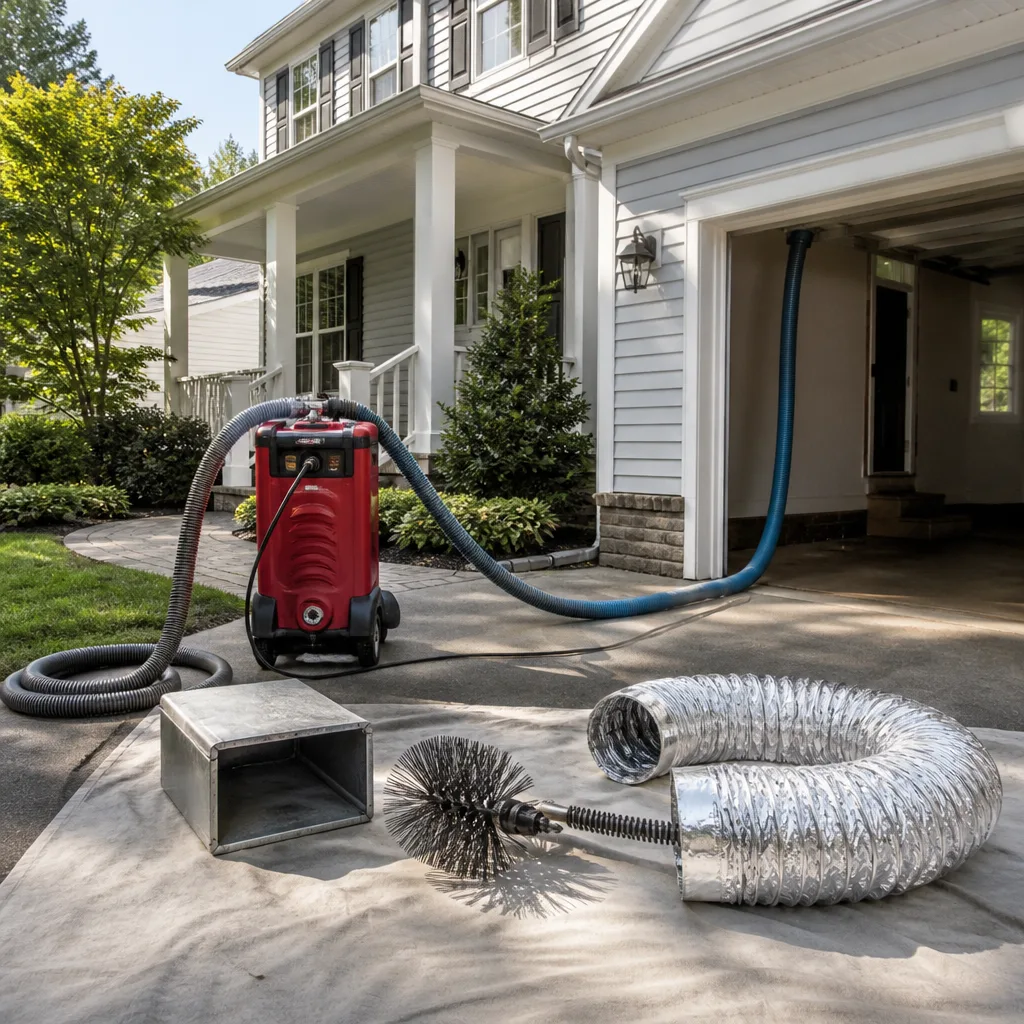 Whole-home duct cleaning
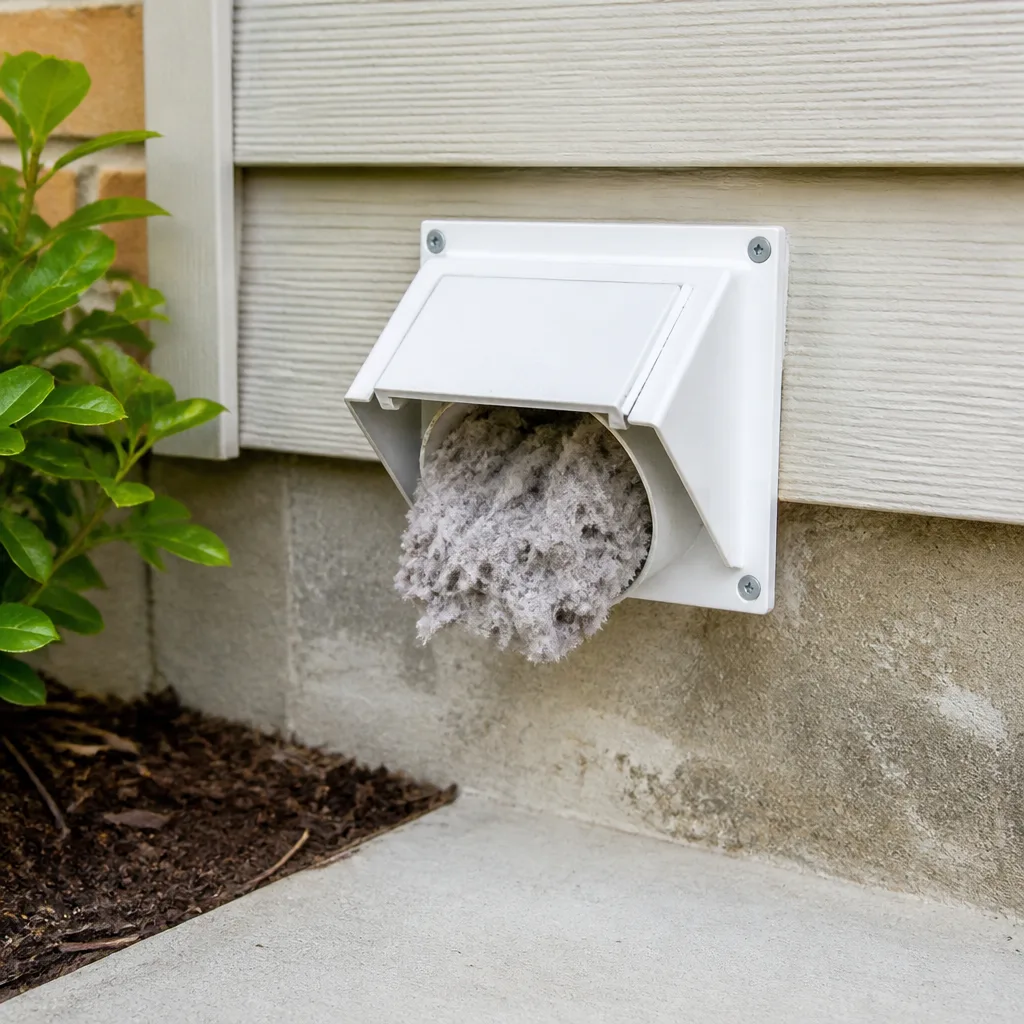 Dryer vent cleaning
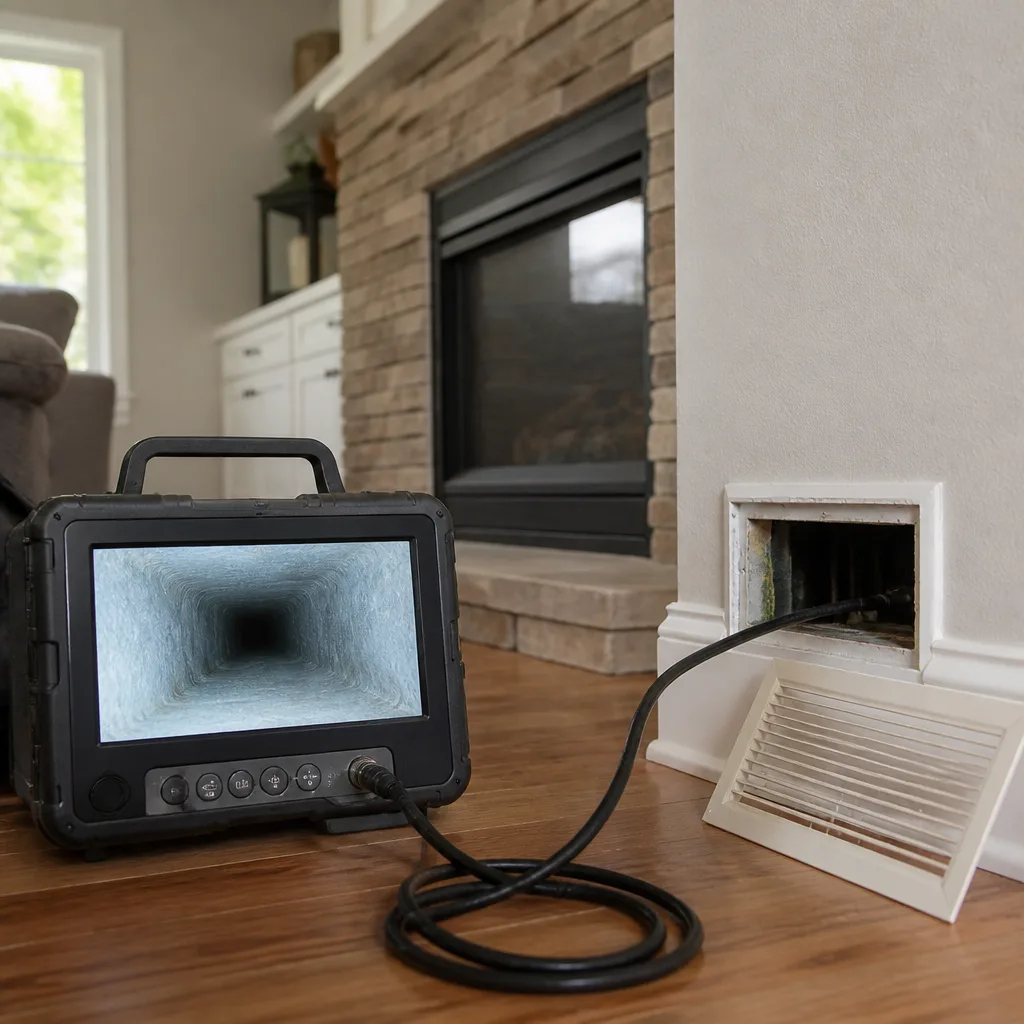 Camera inspection
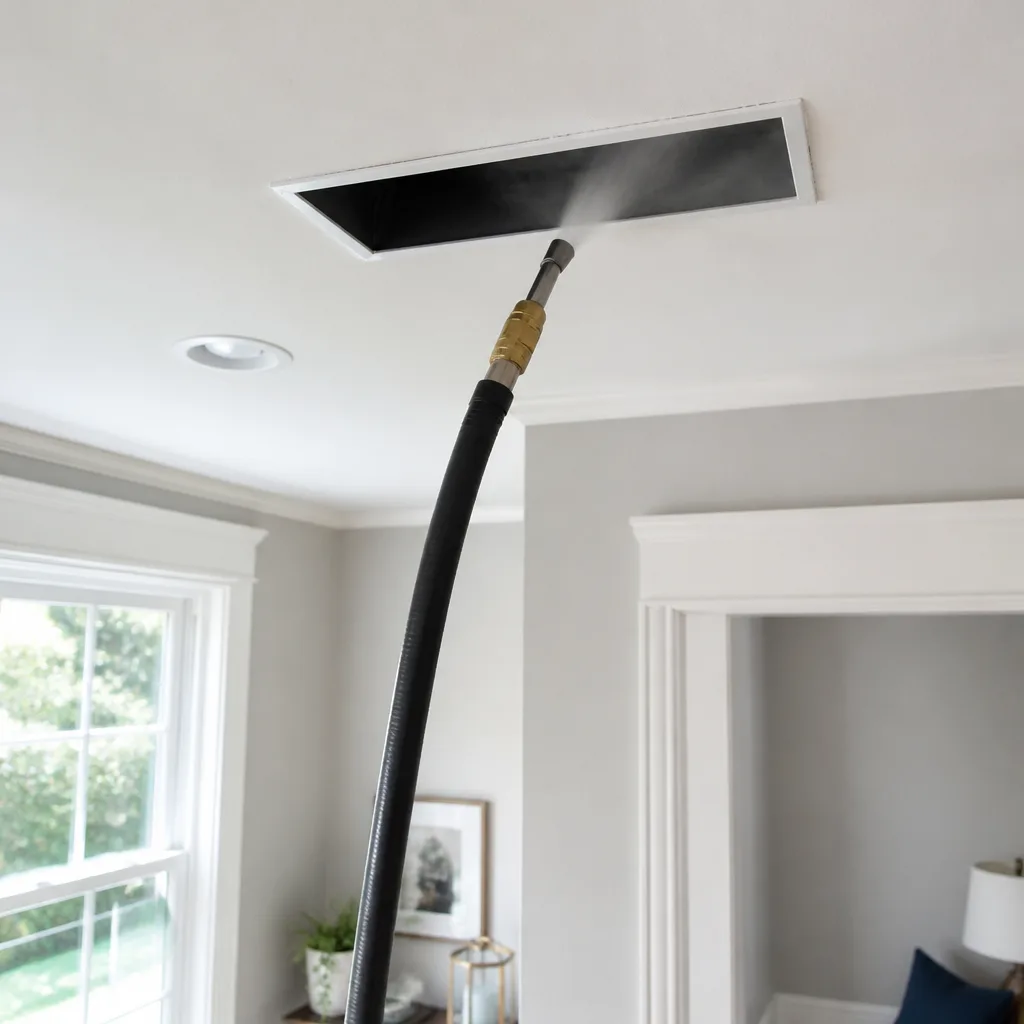 Sanitizing & deodorizing
Whole-system duct and dryer vent check with before-and-after photos - you see exactly what came out of your vents
That "$99 whole-house special" is a bait ad - the real number appears once they are in your hallway, or the "clean" is a shop-vac at the register. We photograph the inside of your ducts before and after instead.
How to Hire an Air Duct Cleaning Contractor in West Hills: A Step-by-Step Guide
Here’s a counterintuitive fact about air duct cleaning: the hardest part isn’t the cleaning. It’s hiring someone who’ll actually clean. The California Attorney General has taken action against duct cleaning companies operating in LA County for deceptive pricing, and the tactics behind those cases never really went away. Undisclosed per-vent fees. “Mold” found in a system that looks nothing like the photo they show you. A sudden push to add a UV system at a price you can’t verify. This guide walks West Hills homeowners through the questions to ask, the scope of work a legitimate estimate should contain, and the red flags worth walking away from.
Quick Answer
Hiring an air duct cleaning contractor in West Hills comes down to verification: confirm the company’s CSLB license and insurance, ask what specific equipment they use and whether they follow NADCA ACR standards, demand a written scope of work priced per job rather than per vent, and require before-and-after documentation of your own system. A legitimate contractor answers all of that without hesitation. One who deflects, quotes a teaser price, or pressures you on-site is telling you what the job will look like.
Styles & brands we work with
- Whole-home duct cleaning
- Dryer vent cleaning
- Camera inspection
- Sanitizing & deodorizing
Table of Contents
- The Five Questions to Ask Before You Schedule
- How to Read a Legitimate Scope of Work
- What NADCA ACR Standards Actually Require
- Red Flags During the Job Itself
- Verifying Licensing and Insurance in California
- What Air Duct Cleaning Actually Costs
- When Cleaning Isn’t the Whole Answer
- How to Choose the Right Contractor for Your Home
The Five Questions to Ask Before You Schedule
A phone call tells you more than a website ever will. Before you book, ask these five things and listen to how the answers land. Confident, specific answers are what a technical operation sounds like. Vague reassurance is what a sales operation sounds like.
- What equipment do you use? Ask for brand names. A professional duct cleaning uses agitation to loosen debris (rotary brush systems) plus high-volume negative-pressure extraction to pull it out. We use Rotobrush rotary brush systems and Nikro industrial vacuums, with Abatement Technologies HEPA filtration for the fine particulate. If a company can’t name its equipment, they’re either using consumer-grade shop vacuums or don’t know their own setup.
- How do you document pre- and post-condition? The answer should involve photos. Before-and-after images of your own supply runs and returns, not stock photos. If they can’t show you the inside of your ducts on both ends of the job, you have no way to verify the work was done.
- Is pricing by job or by vent? Per-vent pricing is where the bait-and-switch lives. A $49 special that becomes a per-vent charge once the technician counts your registers is the exact pattern behind LA County complaints. We price per system, flat, agreed before anyone sets foot inside.
- Is the company NADCA-certified or a member? NADCA is the National Air Duct Cleaners Association. Membership and certification aren’t legally required, but they signal adherence to a standard. Ask for the member number or certification status rather than trusting a logo.
- Can you provide references in West Hills specifically? A local reference is a check you can actually call. Ask for names of West Hills homeowners whose systems were comparable to yours – same rough square footage, same HVAC configuration, similar age of home.
The fifth question often separates the serious operators from the ones running ads in a dozen cities with a scheduler in a call center. Ask it directly. Listen for specifics.
How to Read a Legitimate Scope of Work
A written estimate for duct work should read like a technical document, not a coupon. If your quote fits on a sticky note, it’s not a scope of work. Below are the line items every legitimate estimate should contain. Compare your estimate against this list.
- Access point creation: Some duct configurations require cutting small access holes to insert brush and vacuum lines. A good estimate says where and how many, and confirms the holes will be sealed afterward.
- Number of supply and return runs: Not “per vent” – the actual count of supply registers and return grilles the crew will service. This is a description of scope, not the pricing unit.
- Equipment type: Named equipment matters. Rotobrush, Nikro, Abatement Technologies – these are the brands the trade recognizes. A scope that just says “truck-mounted vacuum” is telling you they won’t stand behind the specifics.
- What happens if mold or damage is found: Real systems sometimes contain microbial growth or disconnected runs. A legitimate scope spells out the contingency: what triggers a change order, what the additional work would cost in ranges, and whether you approve before anything proceeds.
- Sanitizing: Whether an antimicrobial application is included, optional, or excluded, and which product line is used. We work with Guardsman protection products post-cleaning to extend sanitation results – the estimate should name what’s being applied.
- Floor and furniture protection: Specifically around access points. A scope that doesn’t mention it tells you the crew shows up with a drop cloth or nothing.
- Final walkthrough: Who shows you the before-and-after images, and when.
An estimate missing three or more of these items isn’t a scope of work. It’s a price. And a price with no scope is how homeowners end up surprised by an invoice that looks nothing like the phone call. A complete scope of work also makes a written estimate enforceable – if the work performed doesn’t match the line items, you have grounds.
What NADCA ACR Standards Actually Require
NADCA’s ACR standard – Assessment, Cleaning, and Restoration of HVAC Systems – is the closest thing the duct cleaning industry has to a technical benchmark. It’s what separates a defined cleaning engagement from someone running a vacuum nozzle through each register.
Broadly, the ACR standard calls for:
- Assessment before cleaning. A visual inspection of the system’s condition, with an understanding of the HVAC configuration, before any cleaning begins.
- Containment and negative pressure. The cleaning zone is placed under controlled negative pressure so dislodged debris moves toward the extraction equipment rather than into your living space.
- Source removal. The actual cleaning – physical agitation and extraction of accumulated debris. Not encapsulation or fogging alone.
- Cleaning of all system components. Not just the visible supply ducts. Return plenums, coils housing, blower assembly, and the air handler area all get addressed.
- Post-cleaning verification. Visual documentation and a final assessment confirming the system’s condition has improved.
How do you verify a company’s NADCA membership isn’t just a logo? Ask for the member number, then check NADCA’s directory directly. And remember: membership is not the same as certification. NADCA offers certifications for individuals (Air Systems Cleaning Specialist, for example) that require testing. A company that says “we’re NADCA certified” should be able to tell you which certification, held by which technicians, and be willing to show proof.
This is also where the air duct cleaning scope intersects with the rest of the home. A technician following ACR standards will notice when the return plenum is losing air, when a duct run has separated at a joint, or when the air handler’s coil is packed with debris. Those findings belong in the final walkthrough – not as a pressure pitch, but as documented observations.
Red Flags During the Job Itself
The pre-hiring checklist catches most problems, but some things only show up when the technician arrives. Watch for these. Each is a specific, observable behavior – not a vague feeling.
- Arriving without a truck-mounted or commercial HEPA unit. A consumer shop vacuum in the truck bed is a clear signal. Proper extraction requires industrial equipment – Nikro class or similar – with enough airflow and capacity to move real debris. A shop vacuum cannot do the job.
- Skipping register covers during suction. The supply and return registers should be covered or taped during cleaning so debris pulled through the system doesn’t blow into your living room. If the technician begins suction without covering the openings, ask why before work continues.
- No floor or furniture protection around access points. Rubber-soled boots tracking through the hallway are the least of it. Dislodged debris, dust, and any water from the HVAC condensate should all be contained. Protection is a mark of a professional operation.
- Cutting access holes without telling you. Access points may be necessary, but you should know how many and where before the technician starts drilling.
- The “I found mold” moment. If a technician emerges from the attic twenty minutes into the job with a photo of mold, ask for a sample of the affected material and a written finding. Real mold remediation follows a protocol – it’s not a verbal observation followed by a price increase.
- A sudden UV or filtration upsell on the spot. UV and whole-home filtration are legitimate categories. But a professional recommendation should be one you can consider and price-compare, not a same-visit impulse decision. Pushback on the timing is reasonable.
If a technician is already inside and you notice two or more of these, you have options. Calling the office to pause the job until the scope is clarified is one. Ending the visit is another, though most homeowners don’t get that far. The point is prevention – the questions and scope of work earlier are what keep you out of this situation.
Verifying Licensing and Insurance in California
California requires contractors working on your home to be licensed by the Contractors State License Board (CSLB). Duct cleaning doesn’t fall under a single clean category – depending on the scope, work may be classified under a general building contractor license, an HVAC-specific classification (C-20 Warm-Air Heating, Ventilating and Air-Conditioning Contractor), or a specialty classification. What matters for the homeowner is this: the company should carry a valid CSLB license relevant to the work being done, and the license should be verifiable.
How to verify:
- Ask the company for its CSLB license number before scheduling.
- Go to the CSLB website and use the “Check a License” tool.
- Confirm the license is active, the business name matches, and the classification covers the work in scope.
- Ask for a certificate of insurance showing general liability coverage, and confirm the policy is current.
- Ask specifically whether the company carries workers’ compensation insurance. If they have employees, this is essential – without it, an injury on your property can become your financial exposure.
For air duct cleaning specifically, licensing matters in a subtler way. The work is less regulated than electrical or plumbing because it doesn’t directly involve gas lines or high-voltage wiring, and some operators exploit that gap. A licensed HVAC contractor is more likely to catch real system problems – disconnected ducts, failing blower components, coil issues – because their training covers the whole system. An unlicensed duct cleaner sells you a cleaning and leaves the underlying problem standing.
Local pro tip: CSLB classifications are publicly listed. If a company says “we’re licensed” but won’t share the number, treat it as a non-answer. Licensed contractors are proud of their licenses and share the number openly.
What Air Duct Cleaning Actually Costs
Homeowners in West Hills ask what duct cleaning costs because they’ve seen the ads. We’ll say it directly: discount ad prices exist to get someone on your property. The real price depends on the size of the system and the work required, and it should be an honest, whole-system figure.
Here’s a comparison of what published prices typically represent:
- Teaser ad price: Covers one part of the system or a very limited scope, and typically becomes a per-vent or per-component charge once the technician arrives. It’s a marketing hook, not a service price.
- Per-vent pricing: You pay for each register and return. This is nearly always higher than a flat job price once you multiply through a typical single-family home. It’s also the pricing model most prone to complaint.
- Flat per-system price: A written scope of work for the whole system – supplies, returns, air handler, plenum – with a price agreed before work starts. This is the structure a professional operation uses.
Beyond cleaning, duct repair and sealing, HVAC cleaning, dryer vent cleaning, and air quality sanitizing each carry their own scope. We price each of those per job by a written estimate. Ask for the written estimate before scheduling, and compare it against the line items in the scope-of-work list above. If the estimate doesn’t include those items, call it what it is.
One more cost-related flag: a legitimate contractor won’t quote you over the phone without at least asking basic questions about your home – square footage, years since the last cleaning, HVAC equipment type, and whether you’ve had any recent renovation or moisture problems. Those questions inform the price, and a company that skips them is either guessing or planning to sell you something once they see the property.
When Cleaning Isn’t the Whole Answer
Cleaning removes what’s there. It doesn’t stop contamination from coming back. If the ducts are disconnected, punctured by a renovation, or leak at the joints, cleaning the system is a temporary fix. The debris will return, and the air quality problem returns with it. This is the gap in the typical duct cleaning job – and the reason we treat every job as a whole-system air quality problem rather than a vacuum pass.
The larger service categories worth understanding:
- Duct repair and sealing: Finds and closes the breaks in ductwork that lose conditioned air and allow contamination in. Sealing is where cleaning’s results hold.
- HVAC cleaning: The air handler, blower assembly, and evaporator coil get cleaned as part of a proper system cleaning – not skipped because it’s inconvenient to access.
- Air quality sanitizing: An antimicrobial application after cleaning. We use Guardsman protection products to extend the sanitation results beyond the visit – not a substitute for the cleaning, but a defensible layer against regrowth.
- Whole-home filtration: If your system has no media filter or only a low-MERV filter at the return, a whole-home upgrade is worth discussing. We work with Honeywell and Aprilaire systems for exactly that – recommending based on your system, not a pressure pitch.
- dryer vent cleaning: A separate service line but a serious one. Lint accumulation in the dryer vent is a leading cause of residential fires and gets ignored by duct-only operators because it’s not their category.
When you’re choosing a contractor, ask whether they handle all five categories – cleaning, HVAC, dryer vent, repair and sealing, sanitizing. If they do, it means fewer handoffs if the cleaning turns up a system problem. If they don’t, you’ll be hiring the next vendor on their referral list, which adds cost and coordination.
How to Choose the Right Contractor for Your Home
For homeowners researching the market in this corner of the San Fernando Valley, several local considerations matter when evaluating a contractor. West Hills’ housing stock is mostly single-family homes with a range of duct configurations – some with original systems from the mid-century building wave, some retrofitted, some with flexible duct in the attic. The climate is dry and warm for most of the year, which means HVAC systems run hard and dust loads accumulate. That combination – mature systems, hard-working HVAC, dry air – makes proper cleaning and sealing more consequential than in a milder climate.
Ask whether the contractor has serviced homes similar to yours in West Hills specifically. A company that works mostly in condos handles a different system dimension than one managing a two-story single-family home with attic-ducted supplies. Ask about the specific neighborhoods – the housing around West Hills has different configurations depending on when each section was built. A contractor who knows the difference is a contractor who’s actually been inside these homes.
The verification checklist, in summary:
- CSLB license number shared and confirmed active on the CSLB site.
- General liability and workers’ comp insurance current.
- NADCA membership or individual certification proof, not just a website logo.
- Equipment named – rotary brush system plus industrial HEPA extraction, not consumer-grade vacuums.
- Written scope of work covering the line items above.
- Flat per-system pricing agreed before the visit.
- Before-and-after photos of your own system, walked through at the end of the job.
- West Hills references provided on request.
We can tell you what a professional operation looks like because we run one. Our technicians have up to 15 years of experience with systems across the San Fernando Valley, we use Rotobrush and Nikro equipment along with Abatement Technologies HEPA filtration, and we work with Honeywell and Aprilaire systems for whole-home filtration upgrades. If you want to understand the standards a team should hold itself to, that’s the calibration.
See the difference
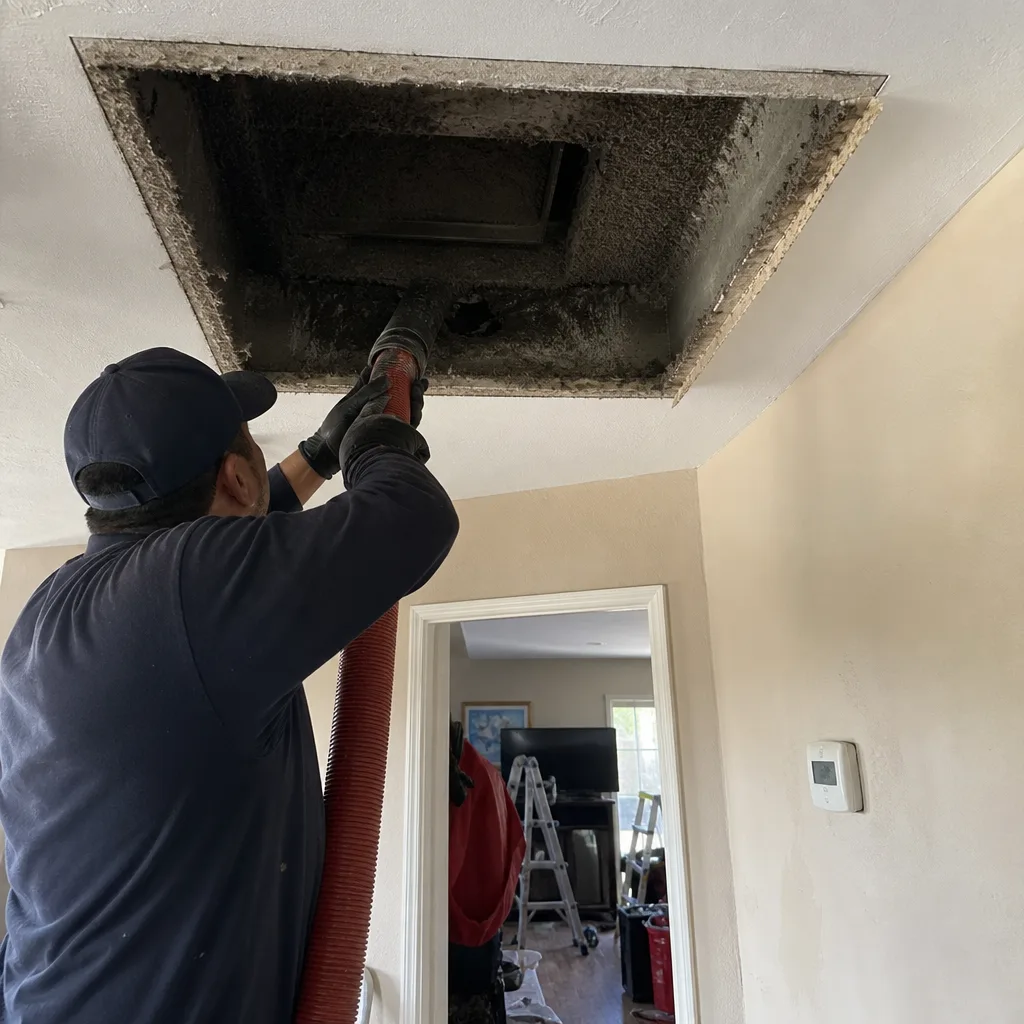 Before
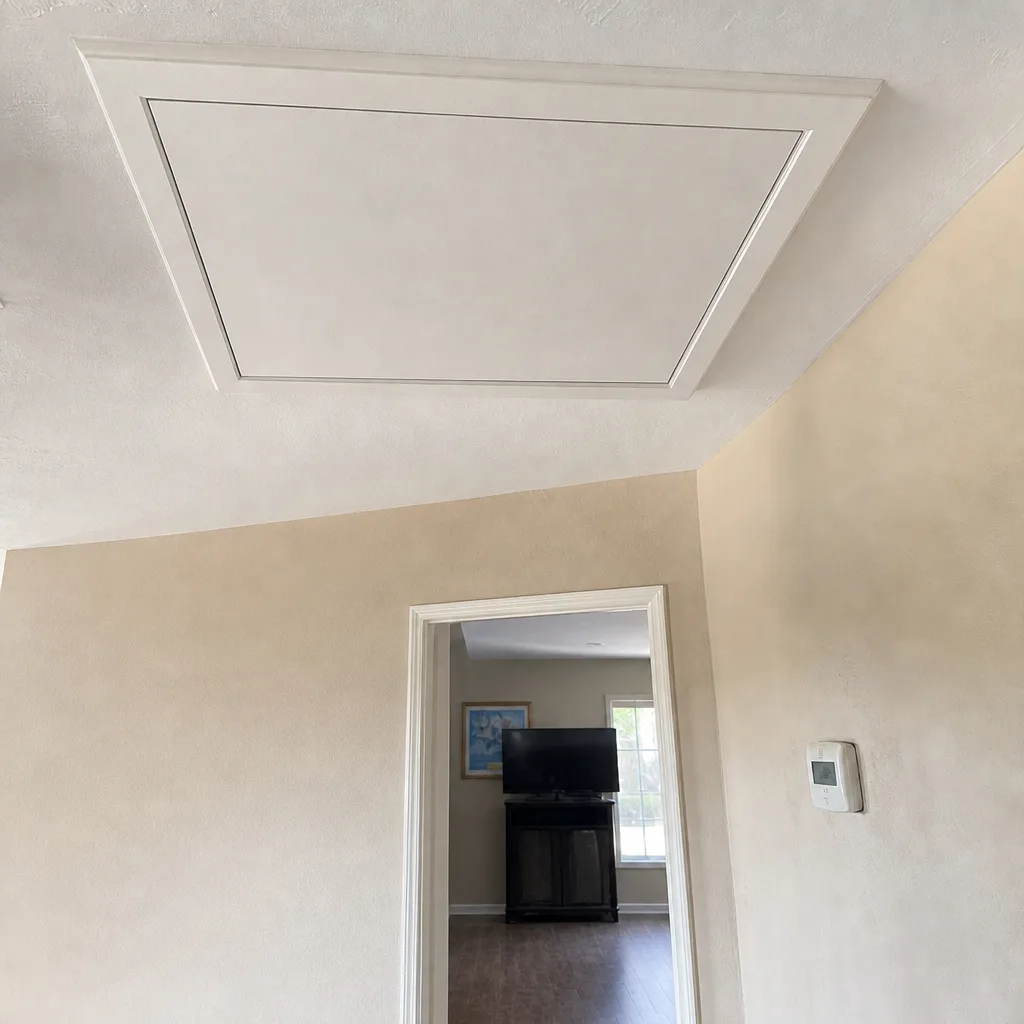 After
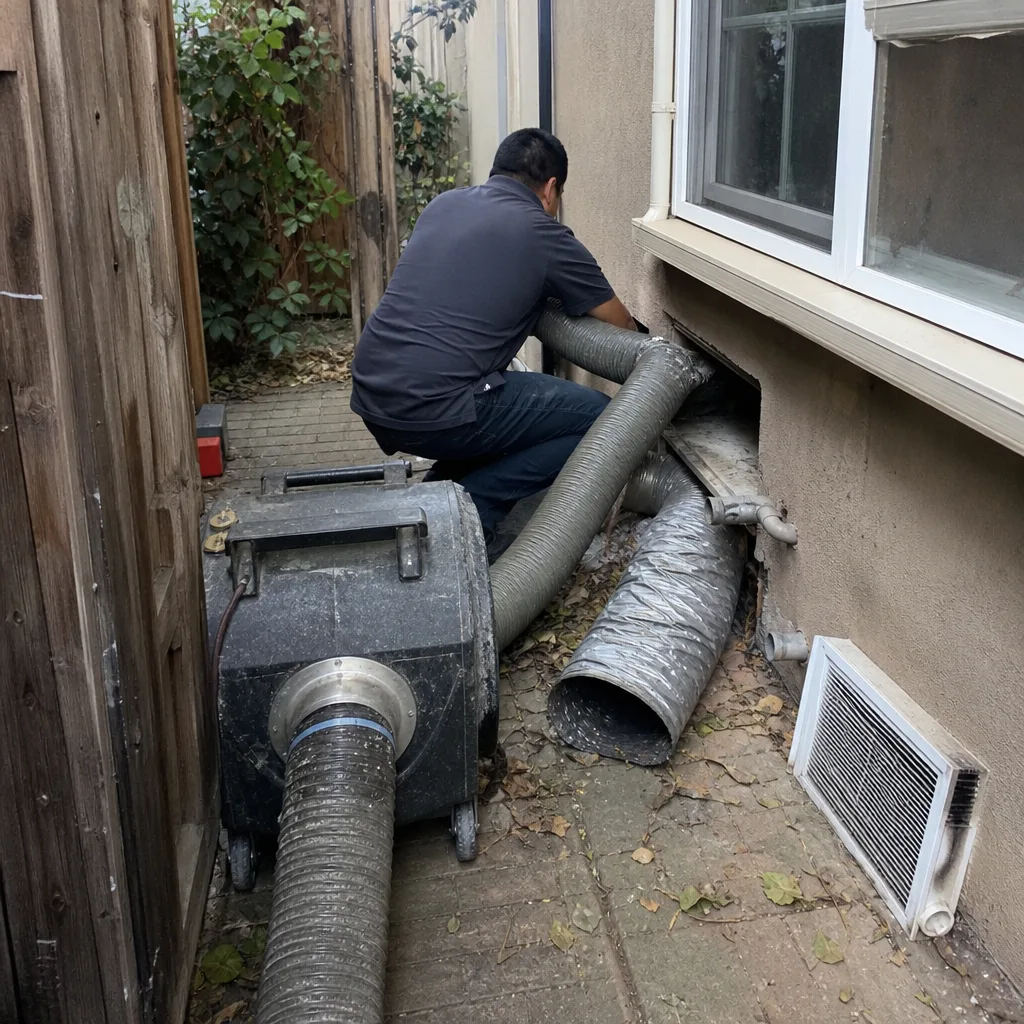 Before
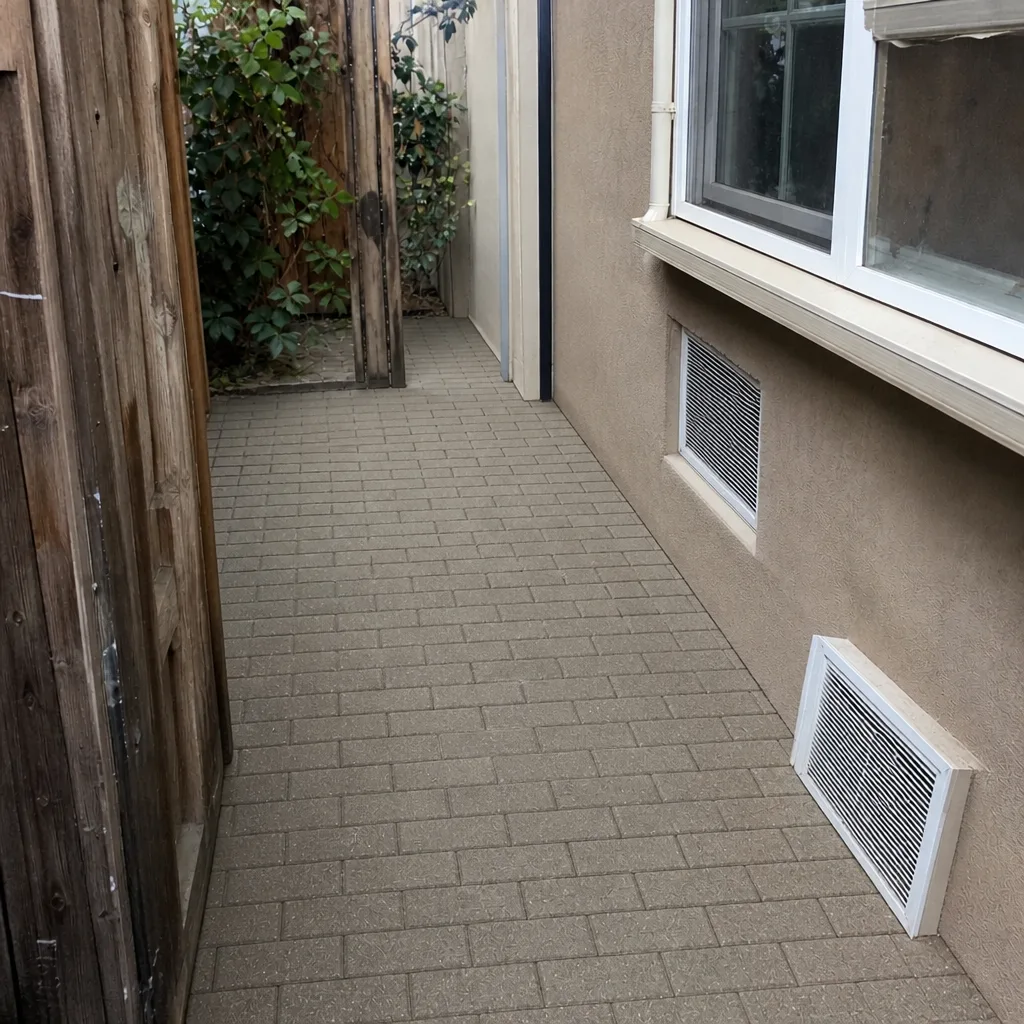 After
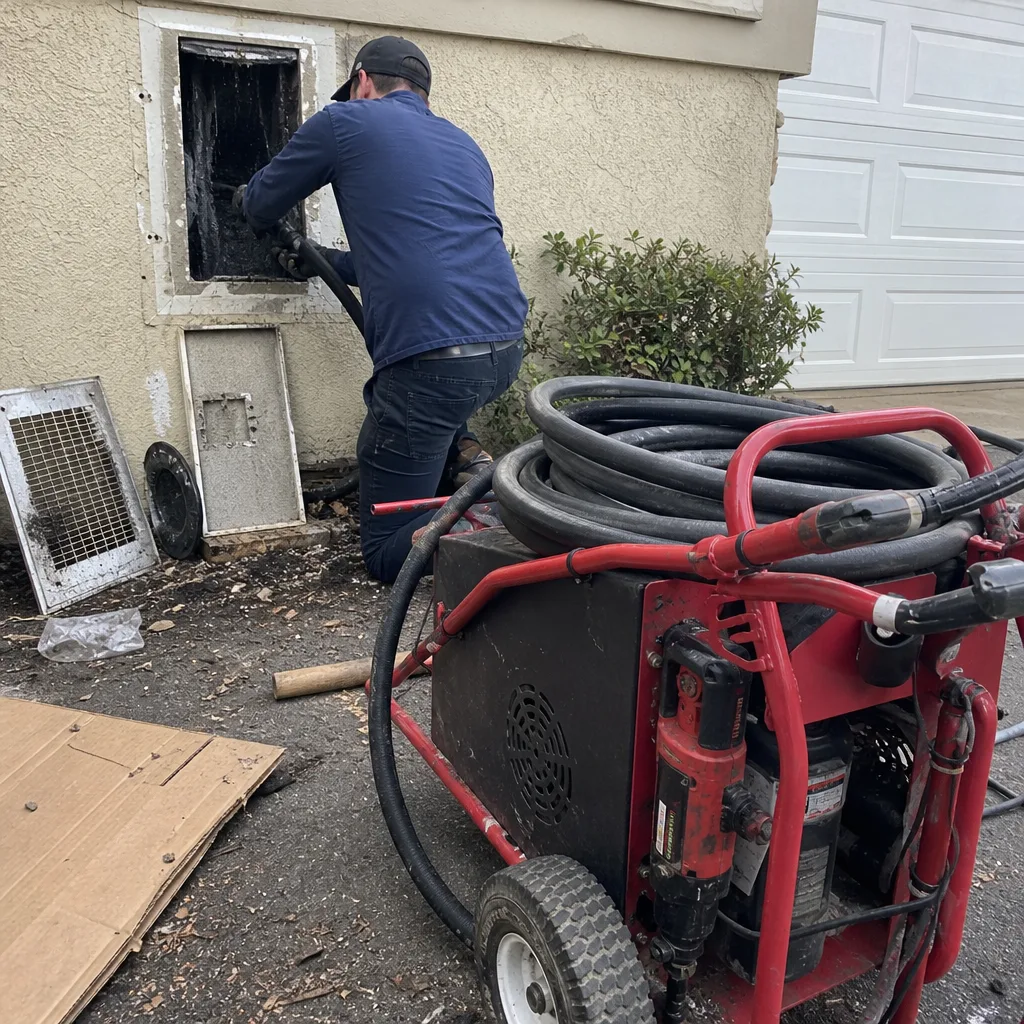 Before
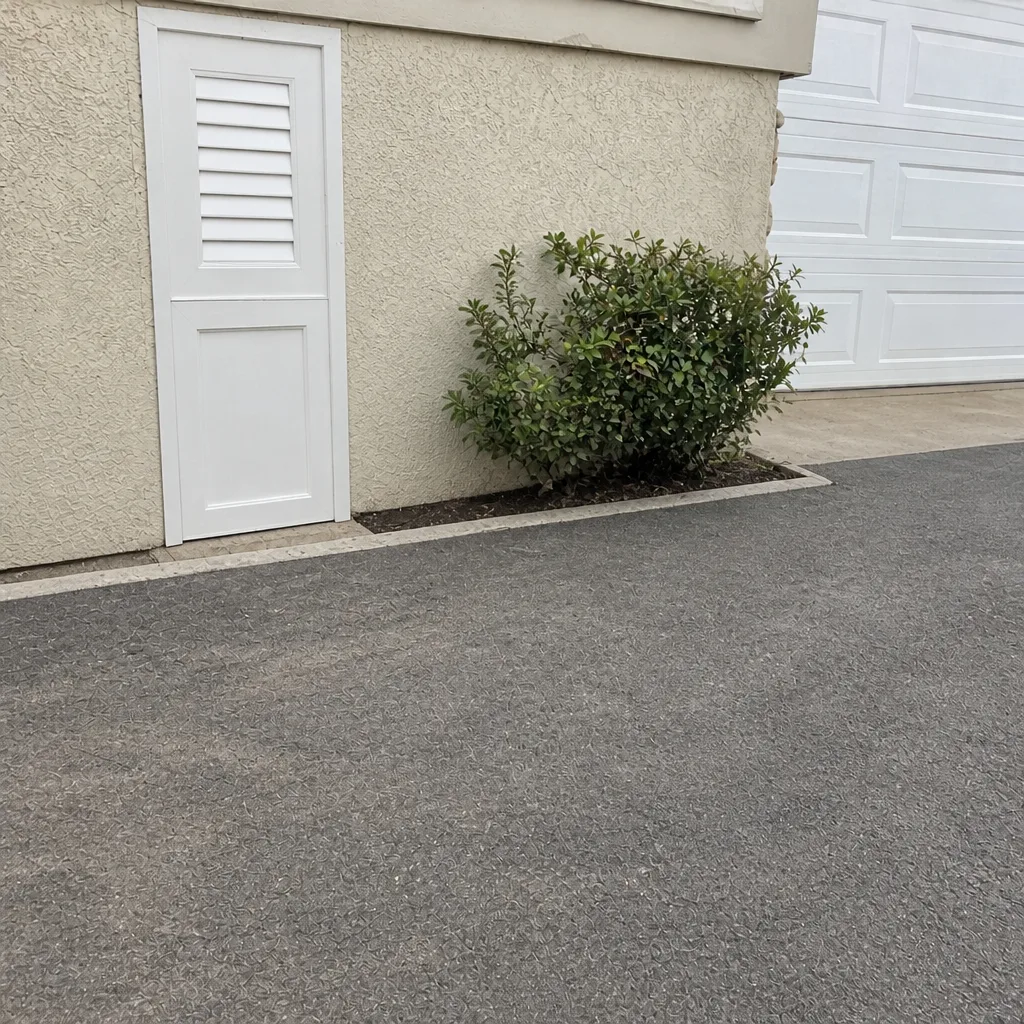 After
Common Mistakes to Avoid
- Calling the number on a coupon flyer. The $49 or $79 ads are the exact pricing model behind LA County enforcement actions. Ask why the price is that low before you schedule – legitimate estimates start with the system, not a teaser number.
- Accepting a phone estimate without questions. A serious contractor asks about square footage, HVAC type, and last cleaning before quoting. A phone price with no questions is a placeholder, not an estimate.
- Paying per-vent. Per-vent pricing leaves you with an open tab – it grows every time the technician counts another register. Always get a flat per-system price in writing.
- Skipping the license and insurance check. A CSLB verification takes two minutes and protects you from the biggest financial exposure of a home service job – an injury or property damage by an uninsured operator.
- Accepting “we found mold” without documentation. Mold findings require samples and written findings, not a verbal observation and a price increase. Ask for the test, the photo, and time to consider.
- Not requiring before-and-after photos. If the crew doesn’t show you the inside of your ducts on both ends of the job, you have no way of knowing what actually happened inside your system.
- Treating cleaning as a standalone fix. If your ducts leak or separate, cleaning is the starting point, not the finish line. Ask specifically about repair and sealing, and whether the contractor can handle it.
When to Call a Professional
Some duct issues need a technician, not a homeowner’s inspection. Call a professional if you notice visible dust lines around the supply registers or a persistent dust film on furniture within days of cleaning; if allergies or asthma symptoms get worse when the HVAC runs; if you’ve had recent renovation work that pulled debris into the return system; if the HVAC runs but rooms are unevenly heated or cooled, which often points to leaky or disconnected ducts; or if the dryer takes longer than one cycle to dry a load, which is a dryer vent warning sign. If your West Hills home hasn’t had the system inspected in several years and you’re seeing any of these, a professional assessment is the right next step. Air Duct Cleaning West Hills offers free estimates in West Hills – call (855) 658-4109. We answer 24/7. Fast dispatch from 7am to 7pm, Sunday through Friday.
Frequently Asked Questions
Air duct cleaning is priced per job by a written estimate, and the honest answer is that any advertised “starting at” number isn’t a real quote – real pricing depends on the size of your system, the number of supply runs and returns, and what condition the ducts are in. Ask for a written scope of work and a flat per-system price before scheduling. Call (855) 658-4109 for an exact quote – estimates are free.
Because they aren’t quoting the same job. A cheap quote typically covers a small portion of the system, uses an undisclosed per-vent charge to make up the difference on-site, or wraps in a follow-on upsell (UV system, sanitizing, “mold remediation”) that raises the final invoice. A legitimate flat price for a complete system cleaning is going to be noticeably higher than a teaser number – and it’s the only one that represents the work. Call (855) 658-4109 for a flat quote in writing.
Ask for before-and-after photos of your own system – not stock images – and a walkthrough at the end of the job. The inside of the supply runs, the return plenum, and the air handler area should all be visible on both ends of the visit. If a contractor is unwilling to show you, that’s the answer. Call (855) 658-4109 to schedule an estimate with photo documentation included.
The honest answer depends on the home, not a fixed schedule. Homes with pets, recent renovations, allergy or asthma concerns, or systems that haven’t been opened in many years typically need it sooner than a newer, low-dust home. NADCA guidance doesn’t set a fixed interval – it recommends based on inspection. The right move is an assessment rather than a calendar reminder. Call (855) 658-4109 for a free estimate.
Our technicians have up to 15 years of experience with the range of housing stock across West Hills and the San Fernando Valley – mid-century single-family homes, retrofits, and attic-ducted systems – and we work with Rotobrush and Nikro equipment suited to varied duct configurations. If you want to know whether we can handle yours, ask before scheduling. Call (855) 658-4109.
No. Duct cleaning is an occupied-home service – the crew uses negative-pressure extraction and covers registers during suction to keep dust contained, and you can stay in the house. That said, if a member of your household has severe respiratory sensitivity, let the scheduler know so we can plan the access points and timing around it. Call (855) 658-4109 with any scheduling questions.
The Bottom Line
Hiring an air duct contractor in West Hills comes down to verification. Get the CSLB license number and check it. Ask for named equipment – rotary brush plus industrial HEPA extraction – not a generic vacuum reference. Require a written scope of work with the line items above. And insist on a flat per-system price with before-and-after photos of your own system. The companies that pass these checks will happily answer every question. The ones that don’t have already told you everything you need to know. If you want the whole system – cleaning, sealing, sanitizing, and air quality – handled by one operation, you can see the range of what we cover on our home page. Call (855) 658-4109. We answer 24/7. Fast dispatch from 7am to 7pm, Sunday through Friday.
Written by the team at Air Duct Cleaning West Hills.