
Last updated November 22, 2026
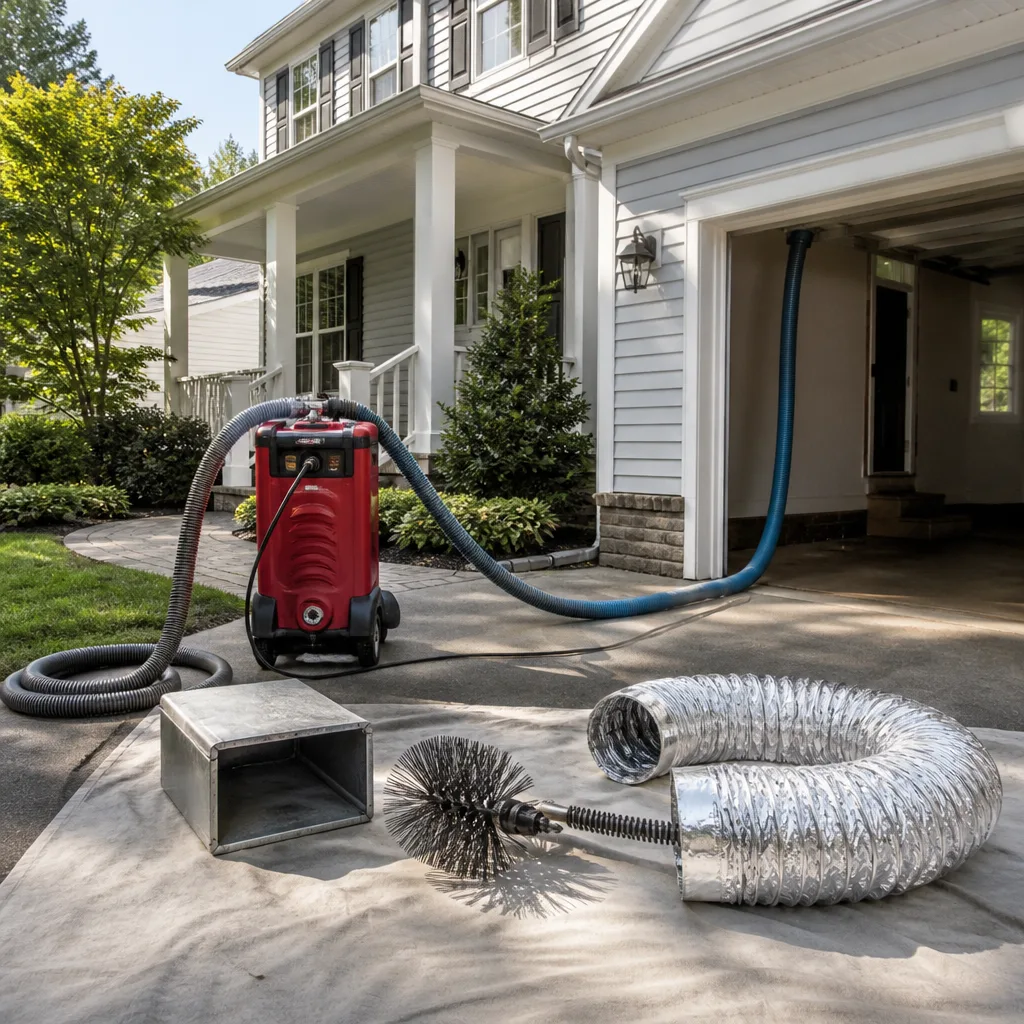 Whole-home duct cleaning
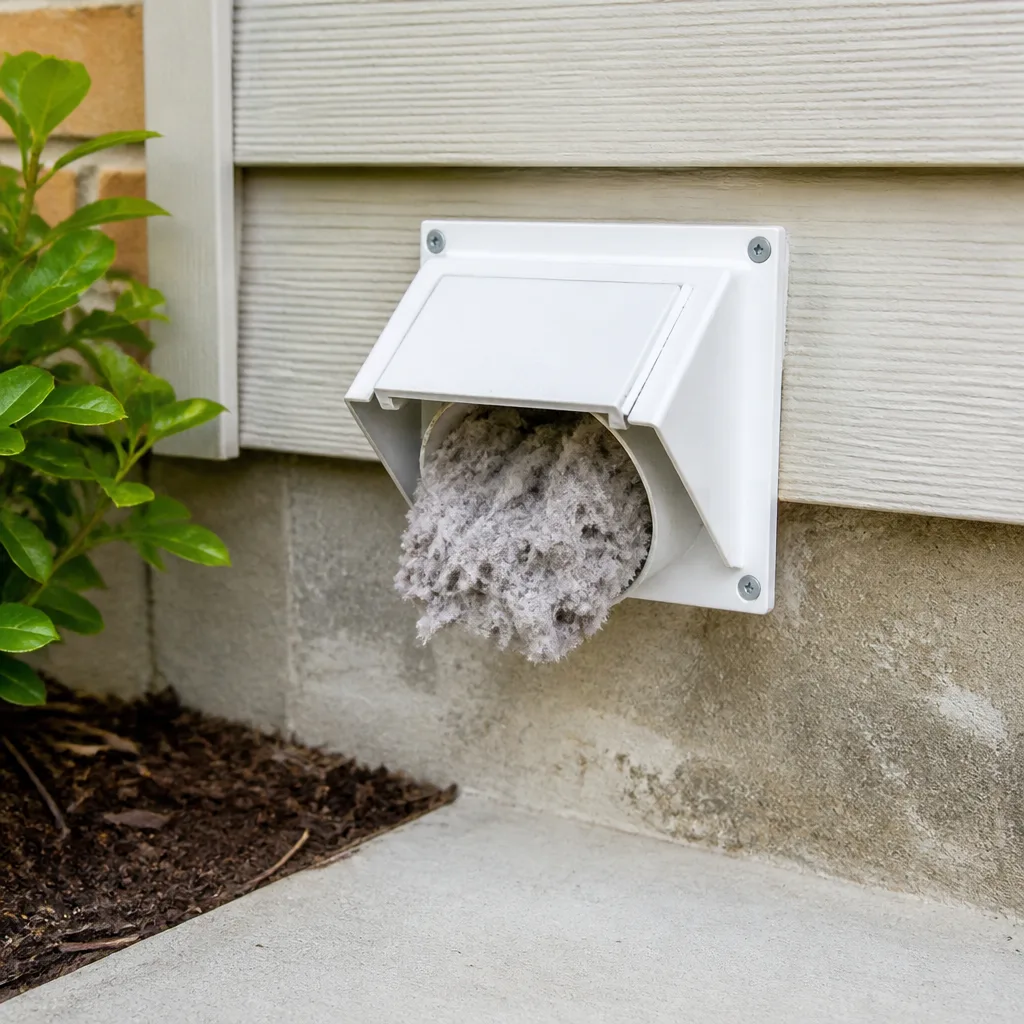 Dryer vent cleaning
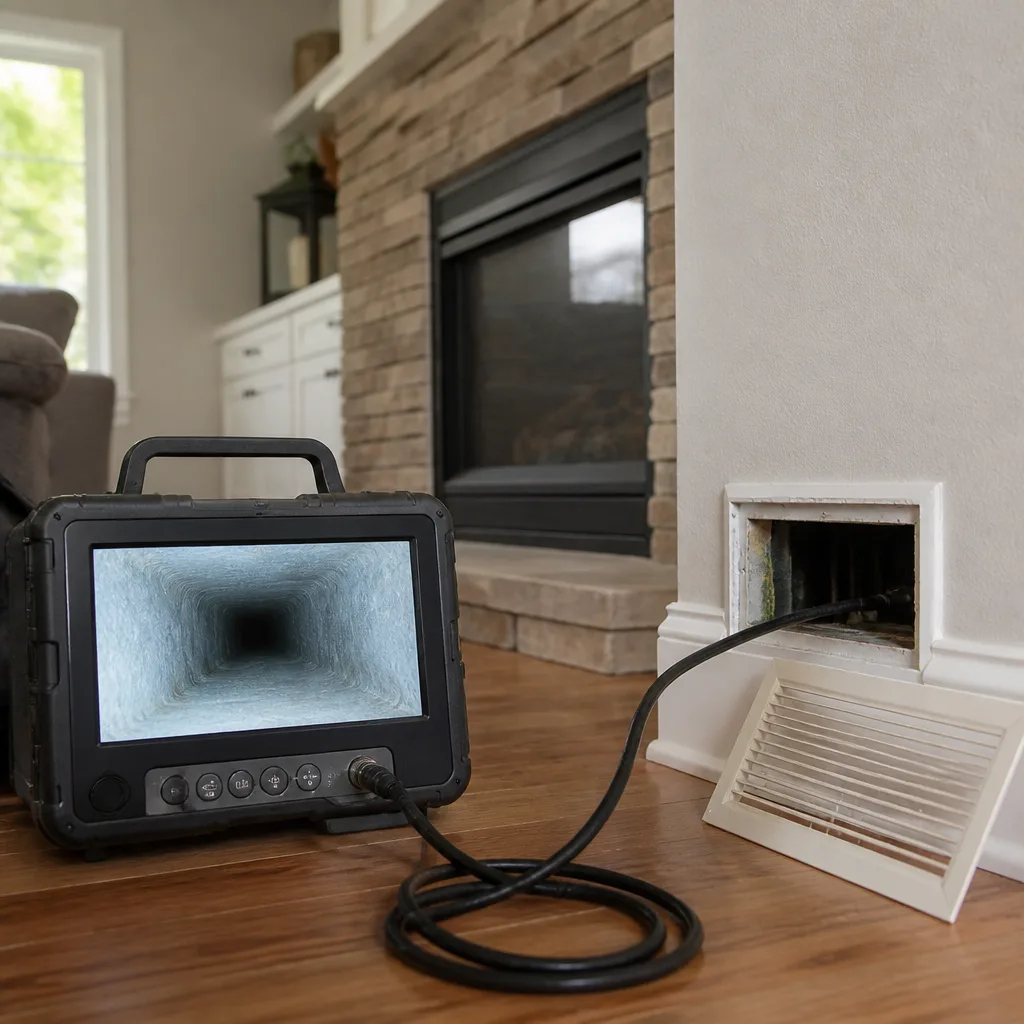 Camera inspection
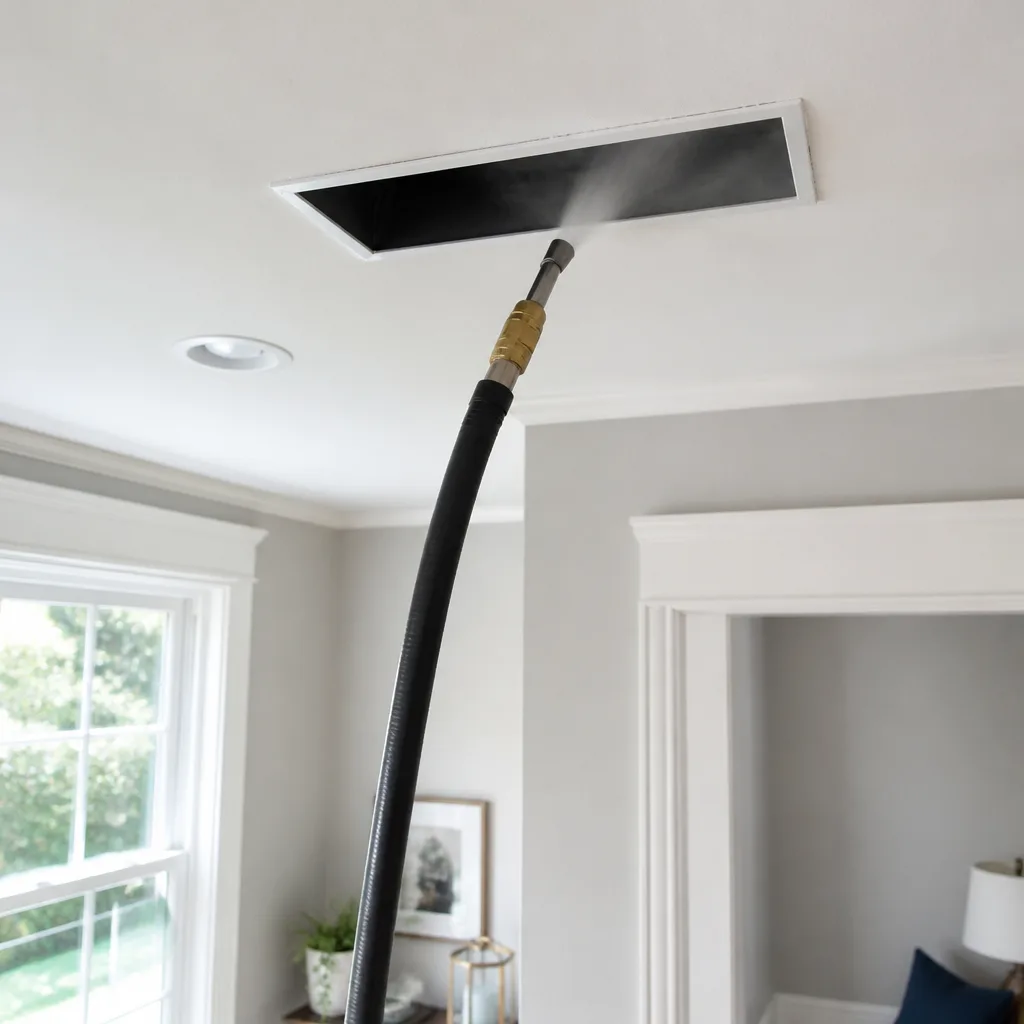 Sanitizing & deodorizing
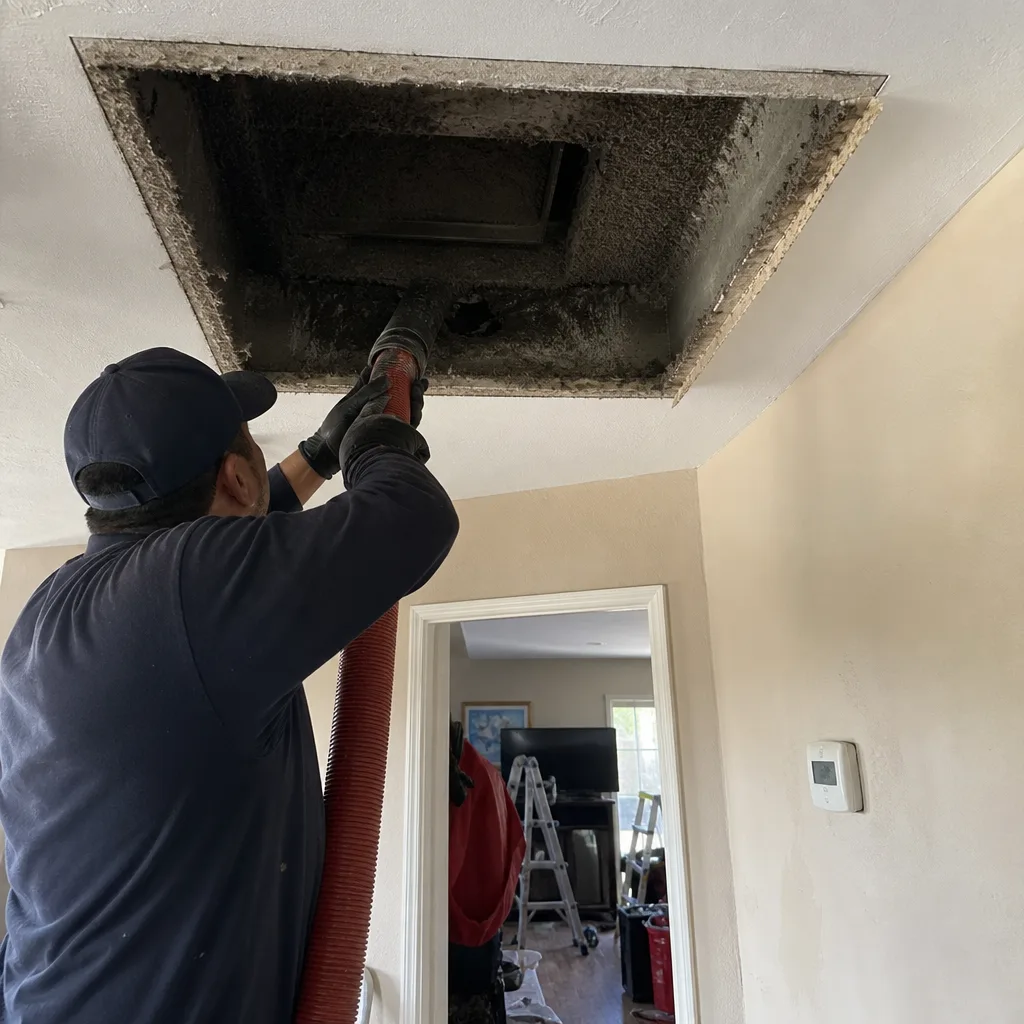
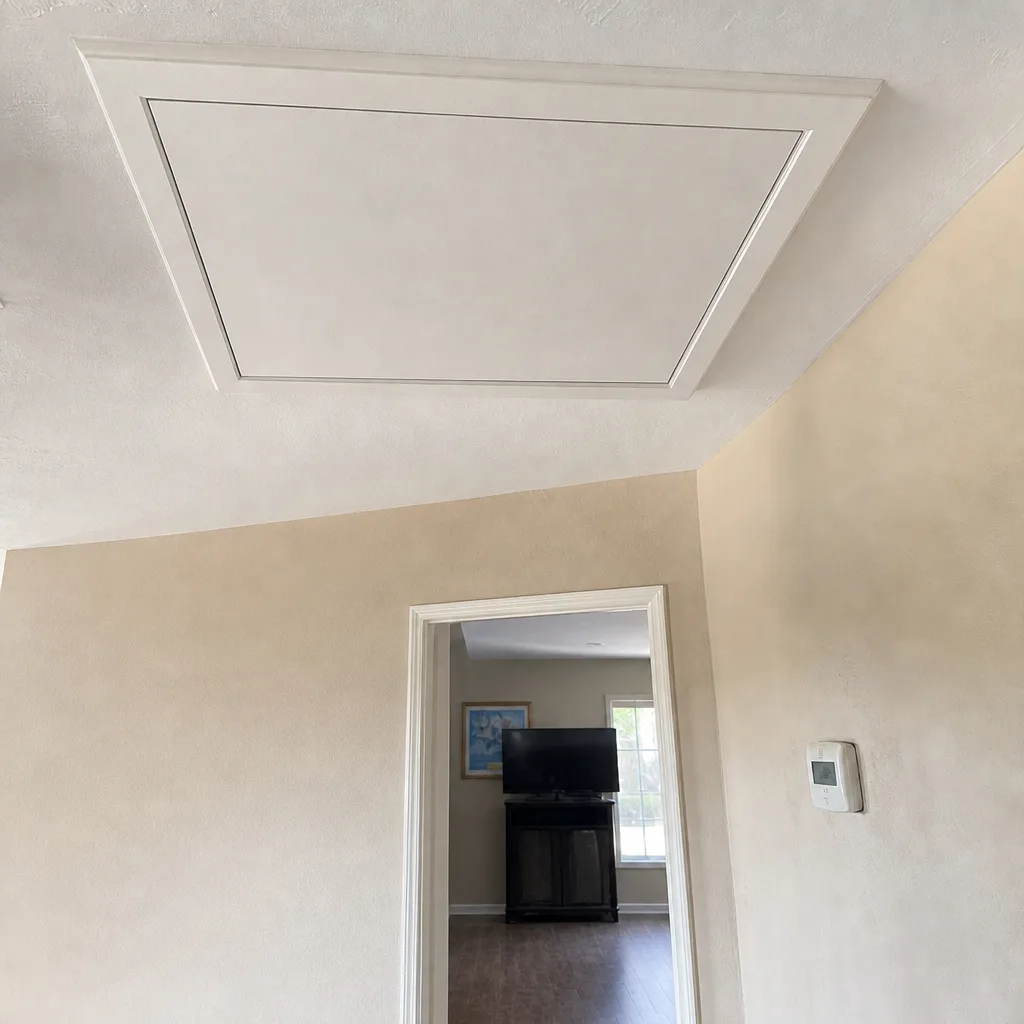
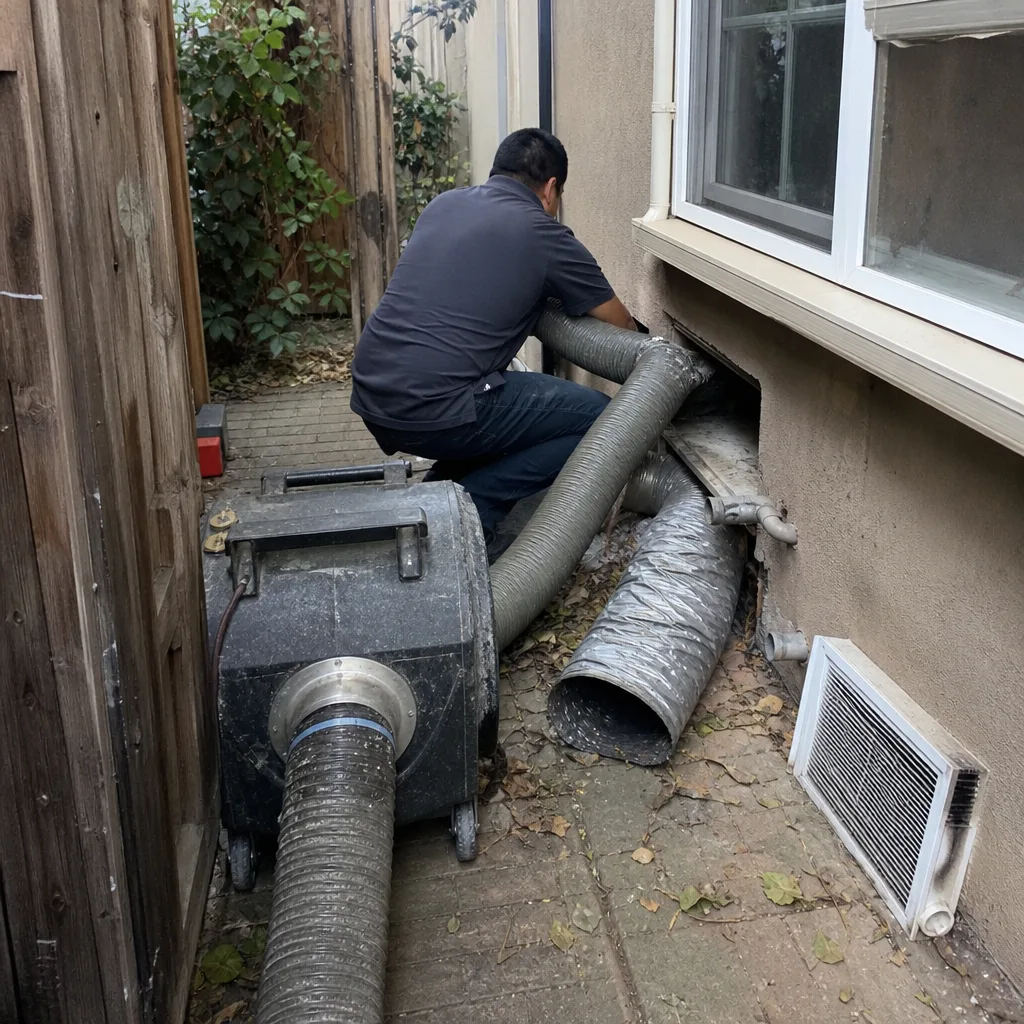
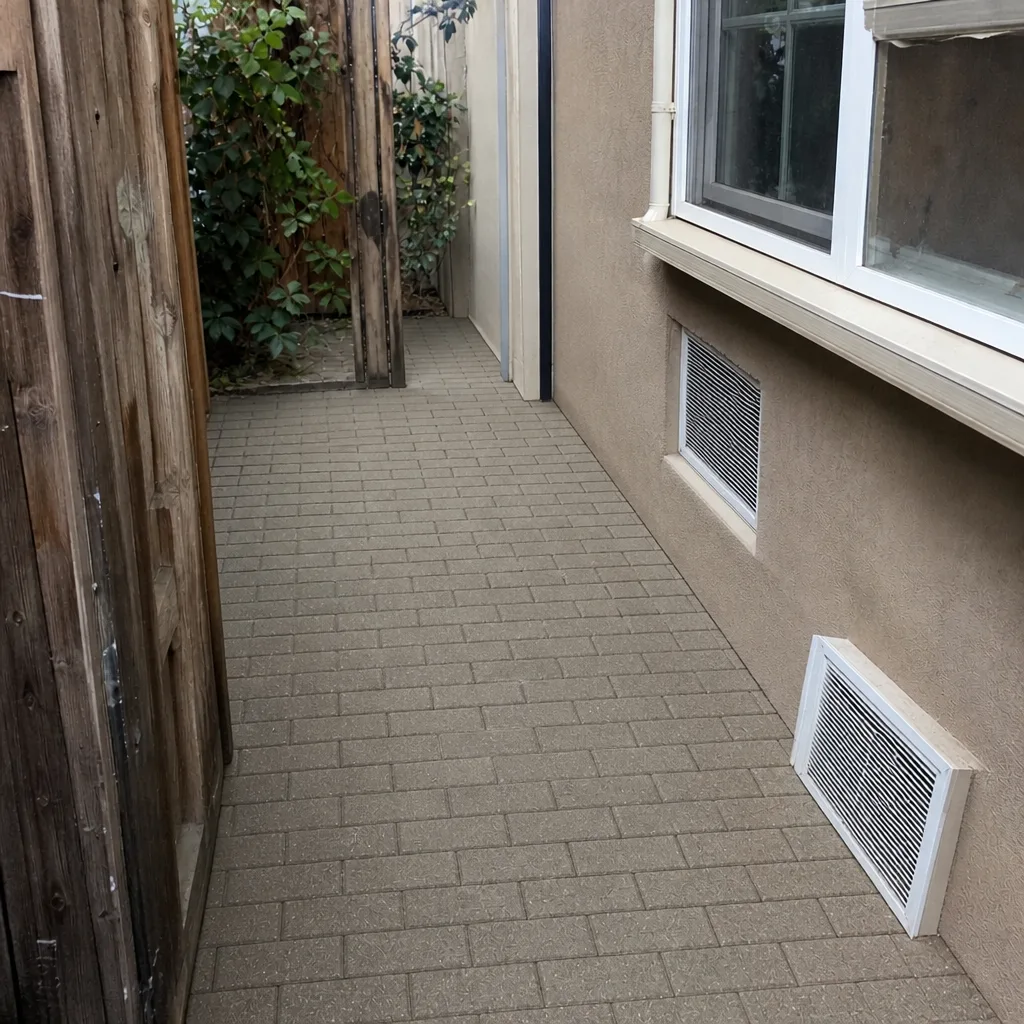
Whole-system duct and dryer vent check with before-and-after photos - you see exactly what came out of your vents
That "$99 whole-house special" is a bait ad - the real number appears once they are in your hallway, or the "clean" is a shop-vac at the register. We photograph the inside of your ducts before and after instead.
Choosing the Right Air Duct Cleaning Brand: A Buyer’s Guide for West Hills
Asking which duct cleaning company to hire without asking what equipment they use is like asking which mechanic to trust without asking whether they have a lift. The logo on the door tells you almost nothing about whether the job can be done correctly. Most homeowners in West Hills shop by brand name, coupon, or the first search result, then hand over a few hundred dollars for a service they can’t inspect afterward. This guide takes the opposite approach. We’ll walk through the three equipment tiers used in professional duct cleaning, the specific brands worth recognizing, what NADCA certification actually requires, and how to evaluate any local or national company against verifiable criteria before you book.
Quick Answer
The best air duct cleaning company in West Hills isn’t identified by a national franchise name. It’s identified by the equipment it brings through your door. A company running a proper rotary agitation tool paired with industrial HEPA extraction or a truck-mounted negative-pressure rig can remove what’s actually stuck to your duct walls; a company with a shop vac and a hose cannot. Ask what equipment they use, ask for before-and-after photos, and ask whether they measure airflow before and after the job. The answers separate real specialists from coupon operations faster than any review count will.
Styles & brands we work with
- Whole-home duct cleaning
- Dryer vent cleaning
- Camera inspection
- Sanitizing & deodorizing
Table of Contents
- The Three Equipment Tiers in Professional Duct Cleaning
- Equipment Brands Worth Knowing by Name
- What NADCA Certification Actually Requires
- Why a National Franchise Doesn’t Mean Better Equipment
- How to Evaluate a West Hills Company vs. a National Brand
- Which Equipment Works Best for Which Duct Configuration
- The West Hills Duct Cleaning Market: What Drives Pricing and Quality
- The Questions That Reveal a Real Specialist
The Three Equipment Tiers in Professional Duct Cleaning
Every duct cleaning company in West Hills, whether they advertise it or not, operates in one of three equipment categories. The category determines what the company is physically capable of removing. Not the marketing. Not the uniform. The equipment.
Tier 1: Portable HEPA vacuum systems. These are wheeled units with HEPA filtration that a technician brings into the home. They’re legitimate tools, and the good ones use true HEPA filters that capture particles down to 0.3 microns. The limitation is airflow and lift. A portable unit pulls from one access point at a time and generates far less negative pressure than a truck-mounted system. In short duct runs with light dust, a portable HEPA unit does solid work. In a West Hills home with long trunk lines, multiple returns, or a system that hasn’t been cleaned in a decade, it typically can’t generate enough suction to pull loosened debris the full length of the run.
Tier 2: Truck-mounted negative-pressure systems. These are the heavy hitters. A large vacuum unit mounted on a truck connects to the duct system through a hose, and the entire duct network is put under continuous negative pressure while the technician works. This is the standard for high-volume commercial and large residential work. The catch: a truck-mounted rig needs physical access to the home, and the quality of the job still depends on whether the technician simultaneously agitates the duct walls or just sucks air from a static system.
Tier 3: Hybrid agitation and extraction setups. This is where the most thorough residential work happens. A rotary brush or air whip is fed through the duct to physically knock debris off the walls, while an industrial HEPA vacuum or negative-pressure source pulls the loosened material out at the same time. Agitation without extraction just moves dirt around. Extraction without agitation leaves the caked-on layer behind. The combination is what actually cleans the duct.
In our experience, the companies worth hiring in West Hills can tell you which tier they operate in, why they chose it, and what it means for your specific system. A company that can’t answer that question hasn’t thought about it.
Equipment Brands Worth Knowing by Name
Three equipment brands come up repeatedly in professional duct cleaning, and knowing what each one is designed to do tells you a lot about the company using it.
Rotobrush. Rotobrush builds rotary brush systems designed specifically for residential ductwork. The brush head spins inside the duct, physically scouring the walls, while a vacuum hose attached to the same assembly pulls debris back to a collection unit. It’s the most recognizable name in residential duct agitation, and a company that runs Rotobrush equipment has invested in the physical scrubbing side of the job rather than suction alone. The limitation is scale: Rotobrush systems are built for residential duct sizes and light commercial, not for large commercial trunk lines.
Nikro Industries. Nikro makes industrial vacuums and negative-pressure equipment used across restoration and remediation work. When a company uses Nikro extraction equipment, it’s using gear built for sustained heavy-duty operation, not consumer-grade shop vacuums with a marketing sticker on them. Nikro units are designed to hold up under continuous commercial use and to handle the volume of debris a real duct cleaning produces.
Abatement Technologies. Abatement Technologies builds HEPA filtration and negative-pressure equipment used in remediation and restoration work, including environments where containment and air scrubbing standards are strict. A company running Abatement HEPA units is bringing equipment built to a standard used in professional remediation, which matters when you’re dealing with dust, debris, and potential microbial contamination being disturbed inside your home.
Beyond cleaning equipment, the air quality brands are worth knowing too. Honeywell and Aprilaire both make whole-home filtration and humidification systems, and a company authorized to work with those systems can recommend and install a filtration upgrade rather than just cleaning what’s already there. That’s a meaningful distinction. Cleaning removes what accumulated; filtration changes what accumulates in the first place. A duct cleaning company that only does the first has done half the job.
What NADCA Certification Actually Requires
NADCA, the National Air Duct Cleaners Association, sets the industry’s most widely recognized standards for how duct cleaning should be performed. Certification requires a company to meet defined criteria around equipment, process, and personnel training. That makes it a useful minimum bar when you’re screening companies in West Hills.
What NADCA certification signals:
- The company has committed to a documented cleaning process rather than an ad-hoc vacuum-and-go visit.
- Equipment meets baseline standards for source removal, meaning the debris is physically removed from the system and not just redistributed.
- Technicians have been trained against a recognized industry standard rather than learning on the job.
- The company can provide documentation of the work performed, including what was cleaned and how.
What it doesn’t signal:
- That the company uses the best available equipment. Certification sets a floor, not a ceiling. Two certified companies can run wildly different equipment stacks.
- That the company will measure your airflow before and after. That’s a service decision, not a certification requirement.
- That the company will show you before-and-after photos of your own ducts. Again, a practice choice.
Treat NADCA certification the way you’d treat a contractor’s license: essential, but not sufficient. A certified company with portable vacuums and no agitation tool is still doing a lesser job than an uncertified company running a full rotary-brush-and-HEPA setup. The certification gets a company in the door. The equipment determines what happens once they’re inside.
Why a National Franchise Doesn’t Mean Better Equipment
Here’s the part the franchise marketing doesn’t tell you: a national brand name on the van doesn’t mean better equipment inside the home. Franchise models vary enormously. Some franchise operators invest heavily in truck-mounted rigs and full agitation setups. Others buy the minimum equipment required to operate under the franchise name and run the same portable vacuum units a low-end independent competitor uses. The brand on the door is a licensing arrangement, not an equipment specification.
That distinction matters more in duct cleaning than in almost any other home service. In HVAC repair, a franchise brand typically means standardized parts, standardized training, and standardized pricing. In duct cleaning, the franchise fee buys a name and a marketing system, not necessarily a better vacuum. A homeowner in West Hills who books a national brand based on the logo alone is making the same guessing mistake as a homeowner who books the cheapest coupon.
There’s a second issue with the franchise model. National brands often dispatch from a regional call center that routes jobs to whatever operator is available in the area. The person who shows up may be excellent, or may be running equipment the franchise corporate office would rather you didn’t inspect too closely. The local company that owns its own equipment, names it in its marketing, and can explain what each piece does is easier to evaluate because there’s no corporate layer between you and the answer.
None of this means every franchise is bad or every independent is good. It means the brand on the door is not the information you need. The equipment in the driveway is. And a company that’s willing to tell you exactly what that equipment is before you book has already given you more useful information than a logo ever could.
How to Evaluate a West Hills Company vs. a National Brand
Use the same four criteria on every company, regardless of size or brand. A national franchise and a local West Hills operator should both be able to pass or fail these tests on equal footing.
- Equipment documentation. Ask what specific brands and models they’ll use in your home. A company that names Rotobrush, Nikro, or Abatement Technologies is telling you something concrete. A company that says “state-of-the-art equipment” without naming anything is telling you something too. If they can’t name the tool, they either don’t know or don’t want you to know.
- Before-and-after photography. Ask whether they photograph the inside of the ducts before and after cleaning. This is the single most verifiable proof a duct cleaning company can offer. You can’t see inside your own ductwork, but a camera can. A company that routinely photographs its work has nothing to hide; a company that doesn’t has no evidence to show.
- Post-job airflow measurement. Ask whether they measure airflow at the registers before and after the job. Duct cleaning should produce a measurable improvement in a restricted system. A company that measures can show you the change. A company that doesn’t measure is asking you to take the result on faith.
- Willingness to explain the process in technical terms. Ask them to describe what happens during the cleaning, in detail. Which ducts get agitated, which get extraction, how the returns are handled, whether the system goes under negative pressure during the work. A technician who can explain the process clearly has done it many times. A technician who gets vague or defensive hasn’t, or is hoping you won’t push.
Air Duct Cleaning West Hills uses Rotobrush rotary brush systems, Nikro industrial vacuums, and Abatement Technologies HEPA filtration because the combination of agitation and extraction is what actually removes the debris rather than just disturbing it. We name the equipment because it’s the part of the conversation most companies avoid. When you’re comparing quotes, ask for the same specificity from every company on your list, national or local. The ones that can give it are the ones worth hiring.
Which Equipment Works Best for Which Duct Configuration
West Hills homes span a wide range of construction styles, and the duct configuration in a given house determines which equipment actually performs. A setup that works beautifully in one home can fall short in another. Knowing what you have helps you ask better questions.
Flexible duct runs (common in newer construction and retrofit work). Flex duct has ridges and corrugations that trap debris. Rotary brush systems are well suited here because the brush can pass through the flex without damaging the liner, though the technician needs to use the correct brush stiffness for the material. Industrial HEPA extraction pulls the loosened debris out through the same run. Companies running Rotobrush-style agitation tend to handle flex duct well.
Rigid sheet metal trunk and branch lines. Sheet metal is smoother and more durable, which makes it easier to clean thoroughly with either a rotary brush or an air whip. Large trunk lines may require truck-mounted negative pressure to move the debris volume effectively. This is where a company with only a portable HEPA unit can hit its limits.
Older homes with original ductwork. Older homes in West Hills may have duct systems that have never been cleaned, or not cleaned in a very long time. The debris layer in these systems is often caked onto the walls, which means extraction alone removes almost nothing. Physical agitation is essential here. A company that shows up with only a vacuum and no agitation tool is going to leave most of it behind.
Systems with multiple returns and long runs. Multi-return systems require the technician to put the entire network under negative pressure while working each branch. Portable units struggle to maintain continuous negative pressure across a large system. Truck-mounted or high-capacity industrial extraction performs better.
There’s no single piece of equipment that’s the right answer for every home. That’s precisely why the equipment question matters: a company with multiple tools can match the tool to the system. A company with one portable vacuum matches every system to the same vacuum. Before you book, ask which configuration in your home they expect to find and which equipment they’ll bring for it. If the answer doesn’t change based on what you describe, the equipment isn’t being chosen for your system.
The West Hills Duct Cleaning Market: What Drives Pricing and Quality
West Hills sits in the San Fernando Valley, and the local climate shapes what accumulates in ductwork here. The dry, dusty summers and mild-but-not-wet winters mean a lot of fine particulate matter in the air for much of the year. Homes here accumulate dust in ductwork in a way that’s different from wetter climates, where mold and moisture tend to be the bigger concern. Fine dust is exactly what agitation-based extraction is best at removing, and exactly what a portable vacuum with no brush tends to miss on the duct walls.
The local market also has a wide pricing spread, and it’s worth understanding what drives it. Companies that show up with one portable vac and no agitation tool can charge less because they’re doing less. Companies that bring agitation tools, HEPA extraction, and photographic documentation charge more because the equipment costs more and the job takes longer. The spread isn’t a scam on either end: it reflects two genuinely different services under the same name.
The West Hills homeowner researching this category typically falls into one of a few groups: those managing allergies or asthma, those who’ve just finished a renovation and want construction dust removed from the system, and those who’ve moved into a home with duct history they don’t trust. For the first two groups, equipment capability matters enormously, because the goal is actually removing the particulate, not just appearing to. For the third, it matters because they have no way to verify what’s happening without documentation. All three benefit from the same checklist: equipment named, photos taken, airflow measured.
There’s a practical reality to the local market too. West Hills homeowners have a lot of choice, and the companies that thrive without spending on national advertising tend to be the ones doing the most thorough work, because word of mouth only works when the result is verifiable. When you’re evaluating a local company, ask who they’ve worked with in the neighborhood and whether you can see before-and-after photos from comparable homes. A local operator with visible work and named equipment is making a referenceable claim. A national brand with a coupon is, by comparison, asking you to take the marketing at its word.
The Questions That Reveal a Real Specialist
Bring this list to every company you call. The specific wording of the answers matters less than whether the company answers clearly and without hesitation. A specialist has these answers ready. A discount operator has to improvise.
- What equipment brands will you use in my home, specifically?
- Do you agitate the duct walls (rotary brush or air whip), or is it extraction only?
- Will the system be under negative pressure during the work, and from what source?
- Will you photograph the inside of the ducts before and after cleaning?
- Will you measure airflow at the registers before and after the job?
- Are you NADCA certified, and can you describe your process against that standard?
- Do you handle duct repair and sealing if you find leaks, or do I need a separate contractor?
- Can you also service my dryer vent and check the air handler while you’re here?
- Can you recommend and install a whole-home filtration system, or do you only clean?
- What happens if the ducts have a contamination issue requiring sanitizing after cleaning?
A company that handles cleaning, dryer vent service, HVAC work, duct repair and sealing, and air quality sanitizing as a single service is a specialist operation. A company that handles cleaning only is a cleaning company, which is fine, but means if you need a sealed system, a clean blower coil, and a clean dryer vent, you’re coordinating three vendors and hoping none of them steps on the other’s schedule. A company working with Honeywell and Aprilaire equipment can recommend filtration upgrades. Your dryer vent cleaning is a separate fire-risk service worth handling at the same time if the company offers it, and HVAC cleaning covers the components the ducts connect to. These are separate jobs that a specialist covers in one visit and a generalist doesn’t cover at all.
Common Mistakes to Avoid
- Choosing by coupon price. A coupon price that becomes a larger invoice once the technician is on site is the oldest bait-and-switch in this trade. Ask for one flat price per system agreed before the work starts, in writing. The written estimate sets the final price.
- Choosing by brand logo alone. A national franchise can run the same portable units as a low-end local operator. Ask about equipment, not brand recognition. A logo is not a specification.
- Booking without asking about agitation. If the company doesn’t have a rotary brush or air whip, they’re vacuuming the air in the duct, not the duct walls. Debris caked onto the walls stays there. Ask specifically how they agitate the duct surface.
- Skipping the before-and-after photos. You can’t see inside your ducts, but a camera can. A company that photographs its work has evidence to show. A company that doesn’t has no way to prove what was done, and you have no way to verify it.
- Ignoring the dryer vent. The dryer vent is a separate duct system with a fire risk that duct cleaners often skip. If the company offers dryer vent cleaning as a standalone service, that’s a meaningful signal they treat the whole home system, not just the supply and return ducts.
- Assuming one visit fixes everything. Cleaning removes what’s accumulated. It doesn’t fix the leaky duct joints that let new contamination back in, and it doesn’t address a system with no filtration upgrade available. Ask whether the company can repair and seal the duct system, or only clean it.
- Not asking about post-job measurement. Airflow at the registers should be measurable before and after. A company that measures can show you the change. A company that doesn’t is asking you to trust the result on the same word the coupon came with.
See the difference
 Before
 After
 Before
 After
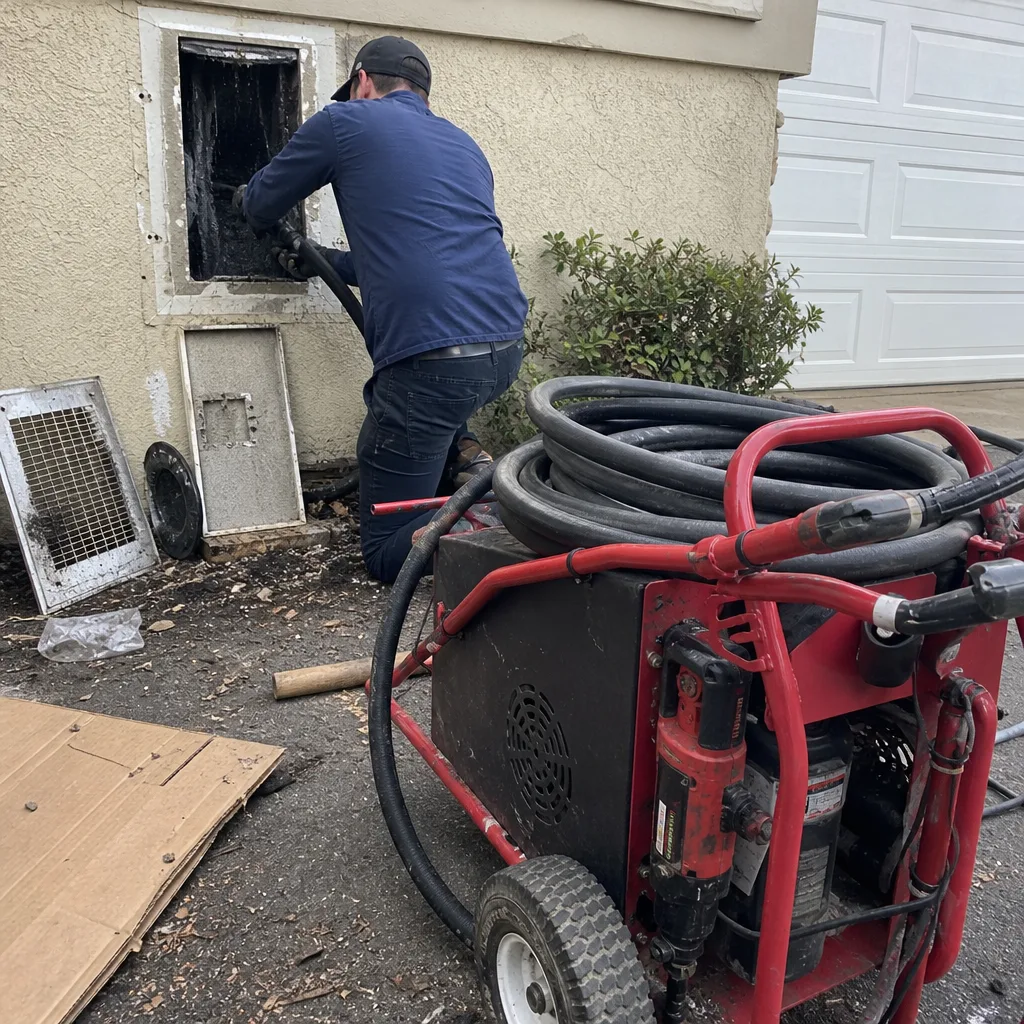 Before
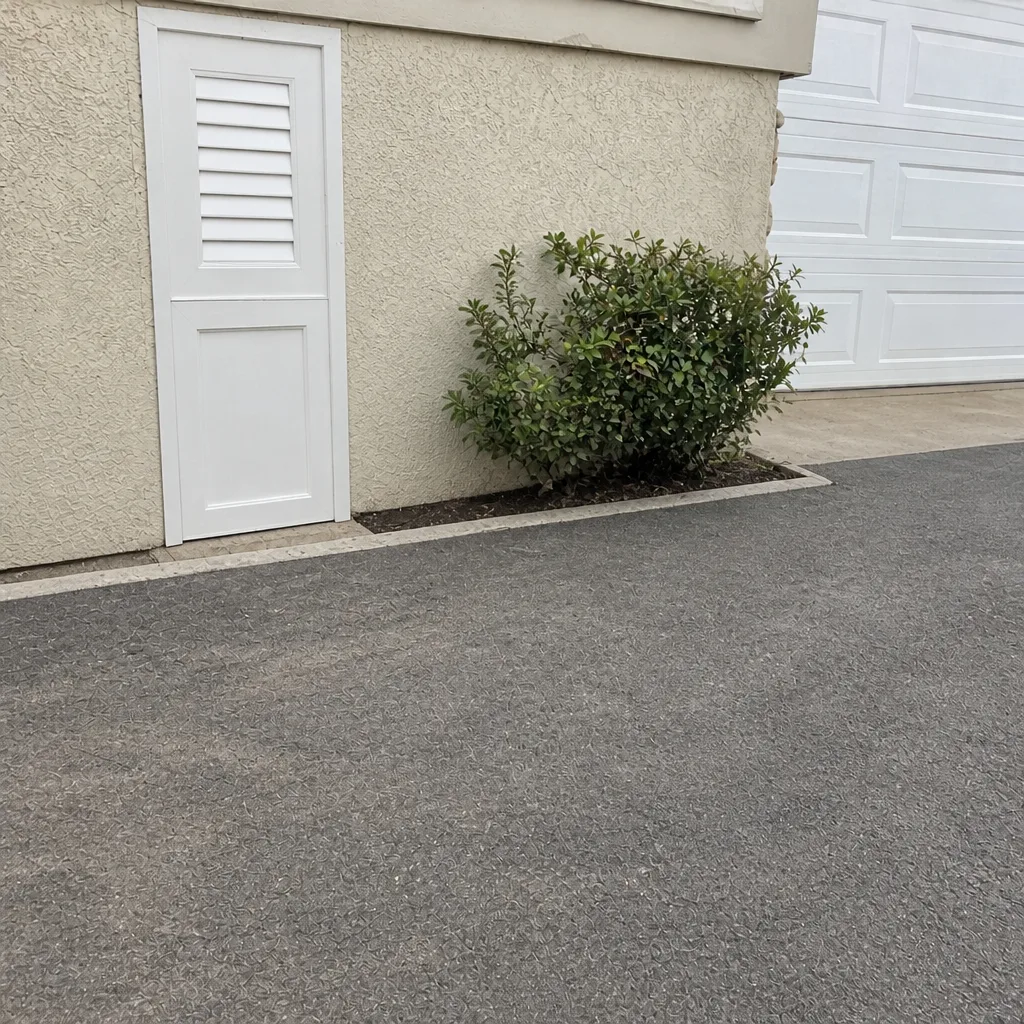 After
When to Call a Professional
Some duct conditions are best handled by a professional sooner rather than later. If you’ve just finished a renovation, the fine construction dust that settled in the system needs extraction, not just a vacuum from the registers. If anyone in the home is managing allergies or asthma and symptoms get worse when the HVAC runs, the system is worth inspecting. If the ducts have visible debris at the registers, if the system has never been cleaned (or you don’t know its history), or if airflow at some registers feels weak compared to others, that’s a signal worth investigating. If the dryer is taking longer to dry than it used to, the dryer vent is a separate concern and worth a professional look. Air Duct Cleaning West Hills offers free estimates in West Hills. Call (855) 658-4109.
Frequently Asked Questions
Most full-system residential duct cleaning in the West Hills area falls in the range a company will quote after seeing the system, because the price depends on the number of runs, the condition of the ducts, and the equipment required. Prices are per job, set by a written estimate, not per vent. When you call, ask for the estimate in writing and ask what’s included: agitation, HEPA extraction, sanitizing, and before-and-after photos. Call (855) 658-4109 for an exact quote. Estimates are free.
Cheaper quotes usually reflect a less capable equipment stack: a portable vacuum without agitation tools, no photographic documentation, and often a per-vent price that grows once the technician is on site. A thorough job takes more time and better equipment, which is why it costs more. The way to compare is to ask each company what equipment they’ll use and whether they photograph and measure before and after. A company charging less for less isn’t necessarily dishonest, but a company that quotes low and delivers less than promised is a bait-and-switch. Call (855) 658-4109 for a flat per-system estimate.
Before-and-after photos of your own ducts and airflow measurements at the registers are the two verifiable proofs a duct cleaning company can offer. Ask for both before booking. A company that photographs its work and measures airflow has nothing to hide; a company that doesn’t has no evidence to show you. One flat price per system agreed before work starts, plus photos of your own ducts, is the standard to hold every company to. Call (855) 658-4109 to schedule.
Most homes don’t need duct cleaning on a fixed schedule. The condition of the system and the home’s history matter more than a calendar interval. Homes with pets, recent renovations, allergy or asthma concerns in the household, or a system with unknown cleaning history benefit from an inspection sooner. If a company quotes a fixed “every two years” number without looking at your system first, ask what that recommendation is based on. Call (855) 658-4109 for a free estimate and an honest evaluation of what your system actually needs.
No. Franchise models vary widely, and some franchise operators run the same portable vacuum units that lower-end independent companies use. The brand on the door is a licensing arrangement, not a guarantee of equipment quality. A local company that names its equipment, shows before-and-after photos, and measures airflow gives you more to evaluate than a national name does. Ask the same equipment questions of every company regardless of size.
A full-service specialist can repair and seal leaking duct joints, not just clean the system. This matters because cleaning removes what’s accumulated but doesn’t stop new contamination from entering through a leak. Air Duct Cleaning West Hills handles cleaning, HVAC work, dryer vent service, duct repair and sealing, and air quality sanitizing as one operation, and works with Honeywell and Aprilaire whole-home filtration systems. Call (855) 658-4109 for a free estimate.
The Bottom Line
The right air duct cleaning company in West Hills is the one that can name its equipment, walk you through its process, photograph its work, and measure the result. Not the one with the best logo, the lowest coupon, or the most recognizable national name. Equipment tier determines what actually gets removed from your ducts. Photographic documentation determines whether you can verify it happened. Airflow measurement determines whether it made a measurable difference. Ask every company you call for the same four things, and the choice becomes simple: the company that can answer clearly is the company worth hiring. One call covers cleaning, repair, sealing, and air quality. For a free estimate, call (855) 658-4109. We answer 24/7. Fast dispatch from 7am to 7pm, Sunday through Friday.
For the full picture of what a proper whole-system service involves, see Air Duct Cleaning West Hills. Our technicians have up to 15 years of experience, and we approach every job as an air quality problem worth solving completely, from the air duct cleaning itself through to filtration upgrades and post-cleaning protection with Guardsman products that extend sanitation results beyond the visit.
Written by the team at Air Duct Cleaning West Hills.