
Last updated November 22, 2026
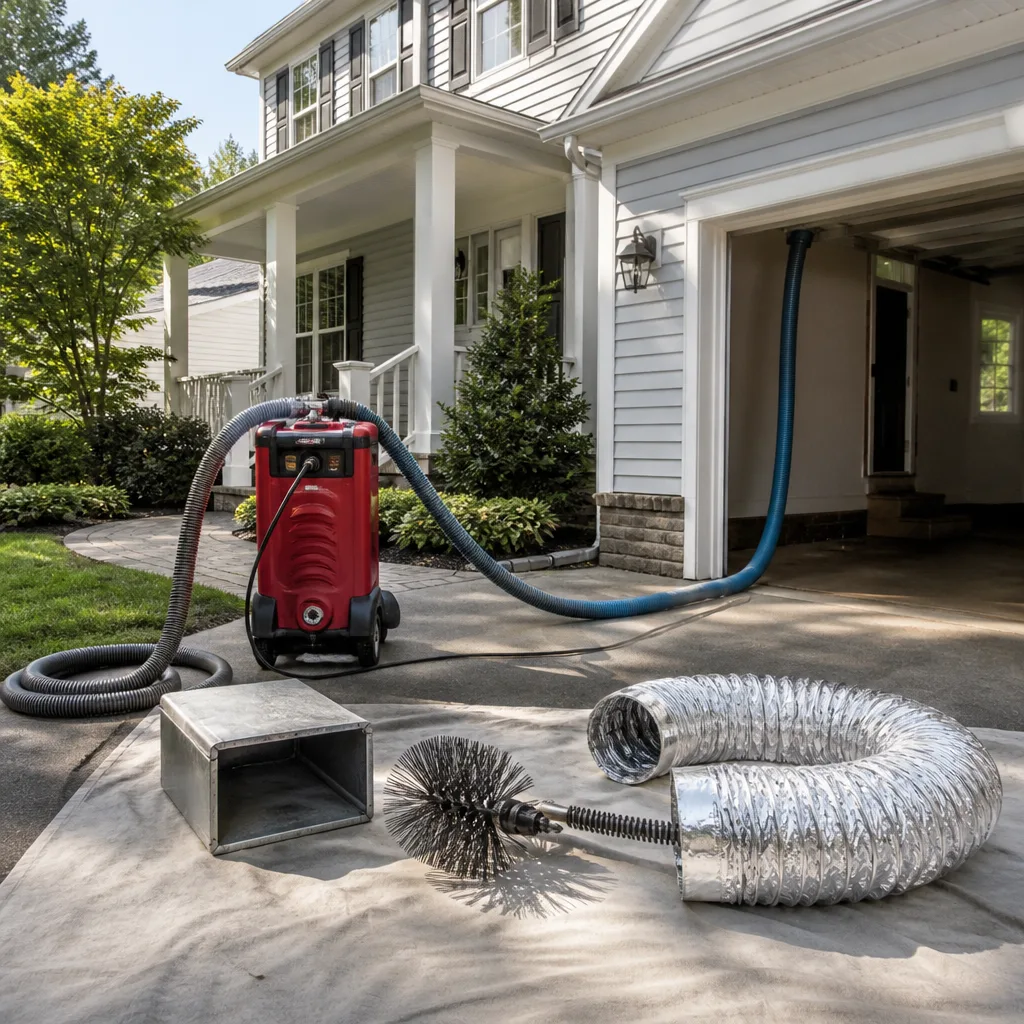 Whole-home duct cleaning
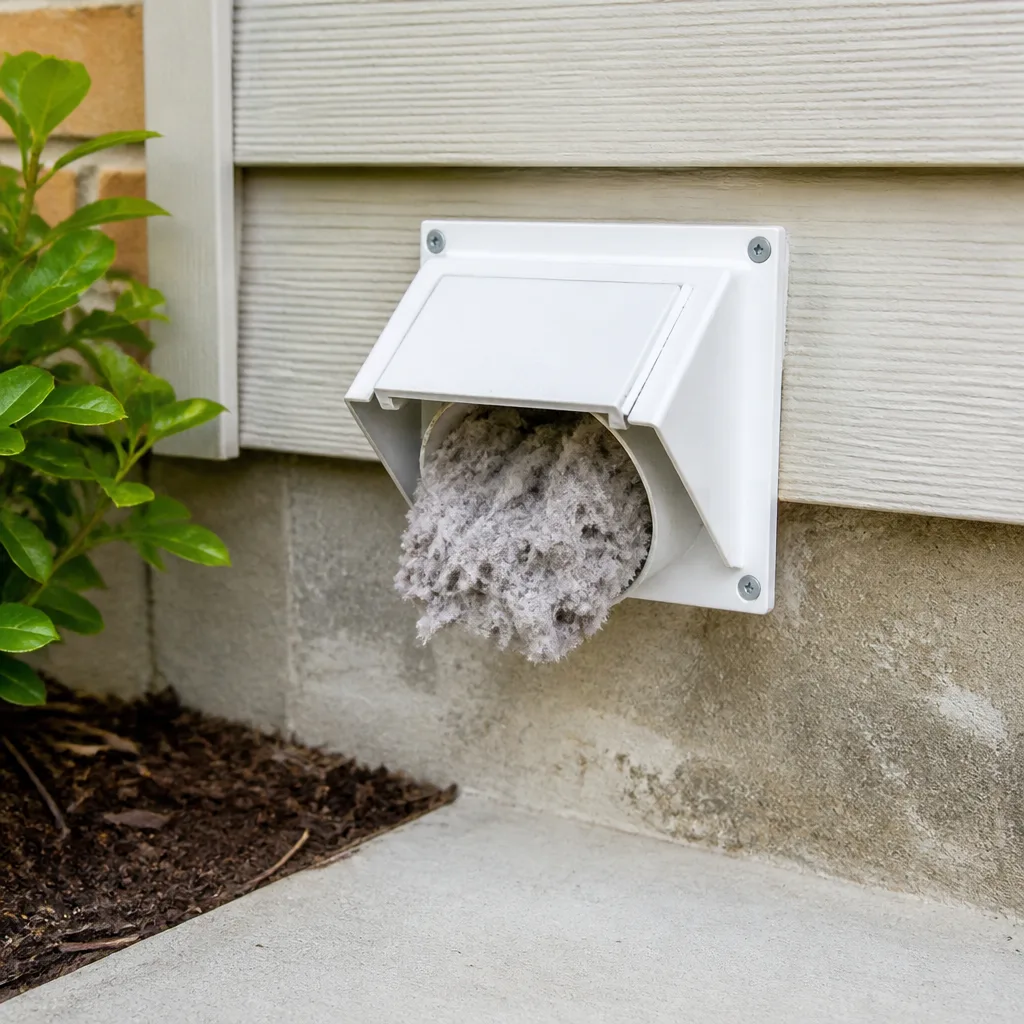 Dryer vent cleaning
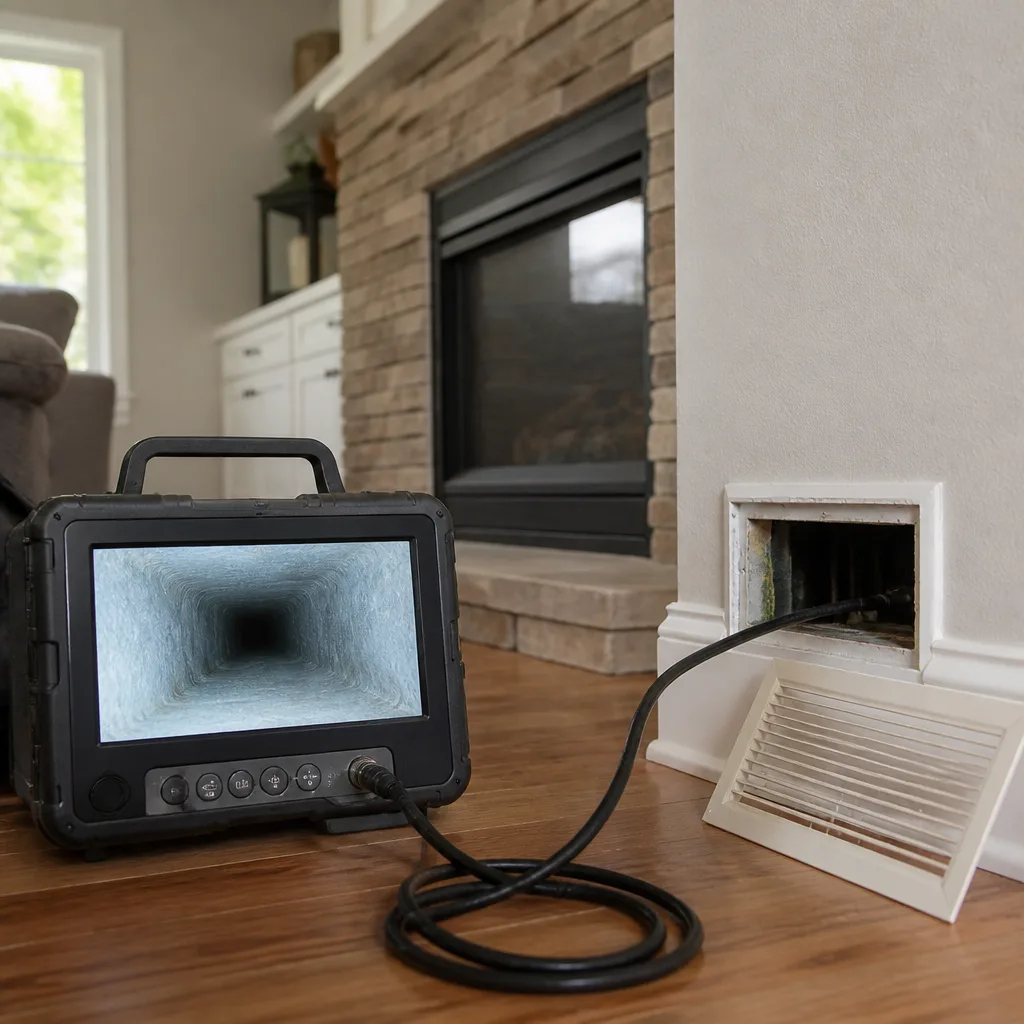 Camera inspection
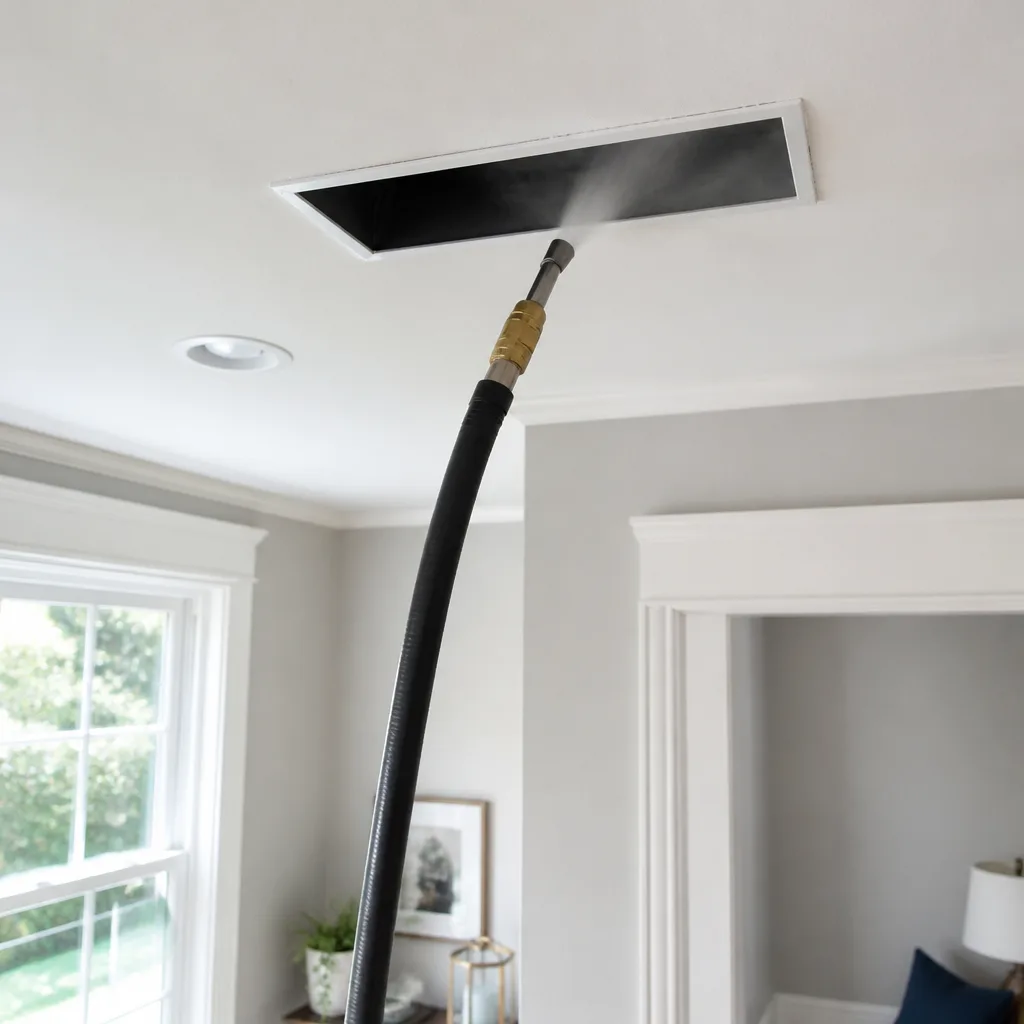 Sanitizing & deodorizing
Whole-system duct and dryer vent check with before-and-after photos - you see exactly what came out of your vents
That "$99 whole-house special" is a bait ad - the real number appears once they are in your hallway, or the "clean" is a shop-vac at the register. We photograph the inside of your ducts before and after instead.
Air Duct Cleaning Emergency Preparedness Guide for West Hills Homes
Most homeowners treat their ductwork as passive infrastructure, something that sits quietly in the walls until the next scheduled cleaning. During a wildfire smoke event, that assumption is wrong. A running HVAC system becomes the largest air mover in the house. In West Hills, where the Santa Ana wind corridors and the surrounding wildland interface push smoke and fine ash through neighborhoods for days at a time, a system left on can pull combustion particulate into every branch of the duct run. Filter replacement afterward doesn’t fix it. The contamination sits behind the filter, on the interior surfaces of the supply and return lines. This guide covers what to do with your HVAC and duct system before, during, and after a smoke event or evacuation order, plus how to document contamination for an insurance claim.
Quick Answer
Before a smoke event or evacuation, shut the HVAC system off completely at the thermostat and at the breaker, close the fresh air intake if your system has one, and upgrade to a higher-MERV filter before the event, not after. During a smoke event, running the system on recirculate is not the same as shutting it down, because duct leakage at joints and boots still allows smoke infiltration under negative pressure. After the event, a filter swap handles light smoke odor but a professional HEPA vacuum test at the registers is what tells you whether the duct interiors actually need cleaning.
Styles & brands we work with
- Whole-home duct cleaning
- Dryer vent cleaning
- Camera inspection
- Sanitizing & deodorizing
Table of Contents
- Why West Hills Sits in a Different Risk Category
- Pre-Event Protocol: What to Do With Your HVAC When an Alert Is Issued
- During a Smoke Event: Recirculate vs. Shutoff, and What Pressure Does
- Post-Event Assessment: Filter Swap or Professional Inspection?
- Post-Evacuation Return Checklist
- Documenting Duct Contamination for Insurance
- The Dryer Vent Overlap Nobody Plans For
- Building a Year-Round Preparedness Routine
Why West Hills Sits in a Different Risk Category
West Hills occupies a specific position in the Los Angeles County risk map. The community sits at the western edge of the San Fernando Valley, bordered by open ridgeline and chaparral to the north and west. That geography creates two distinct hazards that stack on top of each other. The first is wind. Santa Ana events funnel dry, high-velocity air through the valley and over the ridges, and those events tend to arrive in the same months as the region’s worst fire weather. The second is smoke residence time. Smoke that settles into the valley floor around West Hills can linger for days after the fire front has moved on, long enough for a running HVAC system to cycle the entire house volume through the ductwork many times over.
What makes this matter for ductwork specifically is the age and construction mix in West Hills. Much of the housing stock here was built during the valley’s mid-century expansion and the infill waves that followed. Those homes have duct systems that were designed for efficiency at a time when nobody was thinking about wildfire particulate. Joints are taped or mastic-sealed, boots connect to registers with friction fits, and return chases often run through unconditioned attic space. Every one of those connection points is a potential leakage path. Under normal conditions, small leaks waste energy. During a smoke event, they admit fine ash directly into the airstream.
The practical takeaway is that West Hills homes need a written protocol for their HVAC and duct system during fire season, not a general awareness that wildfires happen. The rest of this guide is that protocol, broken into before, during, and after.
Pre-Event Protocol: What to Do With Your HVAC When an Alert Is Issued
The moment an air quality alert or evacuation warning is issued for the West Hills area, the clock starts on a series of steps you want to complete while you still have power, time, and clear air to work in. The single most important step is shutting the system down, and the second most important is understanding how to do that completely.
- Switch the thermostat to OFF, not to FAN or AUTO. A thermostat set to FAN ON runs the blower continuously regardless of temperature. That is the opposite of what you want. Set the mode to OFF so the blower stops entirely.
- Kill power at the air handler breaker. This is the step most people skip. A thermostat command does not physically disconnect the equipment, and a system with a fault or a stuck relay can still cycle. Open the panel and switch the air handler breaker off.
- Close the fresh air intake. If your system has a dedicated outdoor air intake or an economizer damper, close it. Some intakes have a manual damper at the wall; others are motorized and close automatically when power is cut. Know which type you have before the event, not during it.
- Seal the registers with plastic and tape if you’re staying. This is a temporary measure but an effective one. Cover supply and return registers in the rooms you’re occupying with plastic sheeting and painter’s tape. It reduces passive infiltration through the duct system when the house goes negative.
- Replace the filter before the event, not after. A clean, higher-MERV filter loaded with dust has almost no remaining capacity to capture smoke particulate. Swap it before the alert period begins so the filter is starting from zero.
- Close windows, exterior doors, and the fireplace damper. A fireplace flue is a direct open channel to outdoor air. Close the damper fully.
Timing matters here. The recommended practice is to complete the filter swap and intake closure at the start of fire season, before the first alert, so that when an evacuation warning lands you’re only doing the shutdown steps. A five-minute shutdown beats a panicked thirty-minute one.
During a Smoke Event: Recirculate vs. Shutoff, and What Pressure Does
There is a persistent myth that running your HVAC on recirculate during a smoke event is a safe middle ground. It isn’t, and the reason comes down to pressure.
When the blower runs on recirculate, it pulls return air from the house, passes it through the filter, and pushes it back out through the supply ducts. In a perfectly sealed system, that would isolate the house from outdoor air. But no residential duct system is perfectly sealed. Joints leak. Boot connections leak. Return chases leak, especially in older West Hills homes where the chase runs through the attic. When the blower runs on recirculate, it typically creates slight negative pressure in the return side of the system. That negative pressure pulls outdoor air, and outdoor smoke, into the return chase through every leakage point.
So what actually happens during a smoke event with the system on recirculate is that you filter the same indoor air repeatedly while simultaneously admitting a steady stream of unfiltered outdoor particulate through the duct shell. The filter captures some of it and the rest distributes to every register in the house. That is how fine ash ends up coating the interior of the supply lines after an event like the Easy Fire, when residents who stayed or returned to running systems found gray film on the duct interiors behind their filters.
The correct answer is shutoff, not recirculate. A powered-down system doesn’t move air, doesn’t create pressure differentials across the duct shell, and doesn’t distribute infiltrated particulate. If you need filtered air in a sealed house during a smoke event, use a freestanding HEPA room purifier rated for the room volume, not the central system.
One more distinction worth making. If your home is under positive pressure because of an open window on the windward side or an unbalanced supply, smoke infiltration happens differently than under negative pressure. Under positive pressure, indoor air leaks out and outdoor air is resisted. Under negative pressure, outdoor air is drawn in. Since you can’t easily control which state your house is in, shutting the system off and sealing the registers is the reliable move.
Post-Event Assessment: Filter Swap or Professional Inspection?
Once the smoke has cleared and the air quality index returns to normal, the question is whether your duct system needs professional cleaning or just a new filter. There is a field test that answers it, and there are visual and olfactory indicators that point the same direction.
The field test is a HEPA vacuum test at the registers. Our technicians use Abatement Technologies HEPA filtration equipment because it meets the standards used in remediation and restoration work. The test works by pulling a controlled vacuum through a HEPA-filtered capture head held against a register face, then examining what the filter captures. A duct that was not contaminated during the event will show light, uniform household dust. A duct that pulled smoke and ash will show visible dark particulate on the capture media even when the register face itself looks clean.
Structural and sensory indicators also matter:
- Smoke odor that returns when the system runs. If you smell smoke every time the blower cycles, the contamination is in the duct interiors, not the room air. A filter swap won’t remove it.
- Visible ash in the return grille or on the filter face. A gray or tan film on the intake side of the filter after a smoke event is a strong indicator that particulate got past the filter media or around its edges.
- Discoloration on register diffusers. Fine ash settles on the louvers and diffuser surfaces. If you see it there, the duct behind it saw the same loading.
- A filter that loads prematurely. If a new filter goes gray within a week of installation after a smoke event, the duct is feeding particulate into the filter faster than a clean duct would.
The rule of thumb is this: if the home was sealed and the system was off through the event, a filter swap and a visual register check is usually sufficient. If the system was running during the event, if the home saw visible ash fall, or if any of the indicators above are present, professional duct inspection is the correct next step. The distinction matters because duct cleaning done right is a whole-system process with rotary agitation and negative-pressure extraction, and it’s the only thing that will remove contamination that has bonded to the duct interior.
Post-Evacuation Return Checklist
Coming back to a home that has been closed for days or weeks during a wildfire event requires a specific sequence before you turn the HVAC back on. The order is not arbitrary; running the system before you’ve cleared particulate from the return side will redistribute it through the whole house.
- Open the house and ventilate first. Open windows and doors for at least thirty minutes to exchange the stale indoor air, but only on a day when outdoor air quality has returned to normal. Do not ventilate during a smoke alert.
- Inspect the return grille and filter box. Remove the filter and look at the filter face, the filter box interior, and the return grille louvers. Photograph anything you find before touching it.
- Check the register diffusers throughout the house. Look for ash film or discoloration. Note which rooms show it. Photograph each affected register.
- Change the filter before any system start. Do not run the blower with the old filter in place. The old filter has captured the particulate it was going to capture; running air through it again can dislodge accumulated material.
- Run the system on FAN for five minutes, then walk the house and smell. If you detect smoke odor at the registers on that first run, contamination is present in the duct system and the system should be shut off again until professional cleaning is done.
- Schedule a duct inspection if any of the above steps produce a positive indicator. Ash film on registers, smoke odor on first run, or a filter that went gray immediately after installation are all signals that a whole-system assessment is needed.
This checklist applies to any extended absence during fire season, not just a mandatory evacuation. A home left closed with the system running while the family is out of town during a smoke event is in the same condition as one that was evacuated.
Documenting Duct Contamination for Insurance
Air quality remediation after a declared disaster event is often a covered expense under homeowner policies, but the claim falls apart without documentation. The insurer’s adjuster is not going to take your word that the ducts were contaminated. You need evidence that is dated, photographed, and specific to the system.
What to capture and log:
- Date and time of each entry. Every photo should have a timestamp, and every log entry should note when the observation was made relative to the event.
- Photograph the return grille and filter face before removal. Show the particulate loading on the intake side.
- Photograph each register diffuser in affected rooms. Wide shot for context, close-up for detail.
- Save the old filter. Bag it and label it with the date it was pulled. An adjuster can send it for analysis if needed, and it is primary evidence that the system saw the event.
- Keep the air quality alert or evacuation order documentation for the event. A printout or screenshot with the date and the affected area covered establishes that a declared event occurred in your location.
- Get a written inspection report from a qualified technician. A report that names the equipment used, describes what was found at each register, and recommends a specific remediation scope is what an insurer wants in the file. Generic invoices without scope language get contested.
- Photograph before-and-after cleaning results. Ask for photographic documentation of the duct interiors before cleaning and after. This is what closes the loop on the claim.
One procedural note. Do not clean the ducts yourself before an adjuster has seen the contamination. Surface wiping of registers is fine, but pulling the system apart or running a shop vac through a register can destroy the evidence the claim depends on. Call your insurer first, then schedule the inspection.
The Dryer Vent Overlap Nobody Plans For
A wildfire preparedness protocol that covers the HVAC system and ignores the dryer vent has a gap in it. During a smoke event, lint inside a dryer vent line becomes a filter that traps combustion particulate. That lint stays in the vent after the event, which is both an air quality issue for the laundry area and a fire risk in its own right. Dryer vent cleaning is one of the leading structural fire prevention measures in residential homes, and it’s the service most duct-only competitors ignore.
In a West Hills home, the vent run often passes through an exterior wall to a weatherhead termination. Long horizontal runs and multiple 90-degree elbows are common in the valley’s housing stock, and those configurations trap lint faster than a short, straight run. After a smoke event, add a dryer vent check to the post-event assessment: pull the vent line off the back of the dryer and look inside with a flashlight. If you see gray or black particulate in the lint, the vent is carrying smoke contamination. Schedule professional cleaning before the next laundry cycle. We treat that vent like the fire risk it is, and our dryer vent cleaning work is a standalone service for exactly this reason.
Building a Year-Round Preparedness Routine
A protocol you only remember during an emergency is half a protocol. The work that makes a difference happens in the quiet months, before fire season. Here’s how to build the routine.
Spring and early summer. Schedule a whole-system air duct cleaning and HVAC cleaning before fire season starts. A clean starting point means less existing dust for smoke particulate to bond to. Have the system’s leakage points assessed; if joints, boots, or the return chase are leaking, duct sealing closes those paths before the smoke event tests them.
Late summer, before alerts begin. Stock two filters at the correct size for your system so a swap isn’t dependent on a hardware run. Locate your air handler breaker and label it. Test your fresh air intake damper to confirm it closes. Walk through the shutdown sequence once so it’s muscle memory.
Fall, during fire weather. Monitor air quality alerts. When a warning is issued, execute the shutdown sequence. When the event passes, execute the return checklist.
Winter and early spring, mild-season review. Air quality work continues year-round. If your home has a whole-home filtration system from Honeywell or Aprilaire, have it serviced as part of the annual review. If you don’t have one, ask about whether adding filtration makes sense for your system. Our air duct cleaning West Hills work includes the indoor air quality pass, not just the mechanical cleaning.
What holds the routine together is that every step is documented. A written shutdown sequence on the inside of the HVAC closet door, a log of filter swaps with dates, a folder of before-and-after photos, a printed copy of your post-event checklist. When the next event hits, you’re not inventing a response. You’re following one you already built.
Common Mistakes to Avoid
- Running the system on recirculate during a smoke event. Recirculate is not shutoff. The blower creates pressure differentials that pull smoke through duct leakage points, and it distributes that smoke to every register in the house. Shut it down at the breaker.
- Replacing the filter after the event instead of before. A filter loaded with household dust has almost no working capacity left when the smoke arrives. The swap that matters is the one you make before the event, not the one you make after the air clears.
- Skipping the breaker step. A thermostat set to OFF is a command, not a disconnect. Opening the air handler panel and switching the breaker is what actually stops the equipment.
- Trusting recirculate plus a high-MERV filter as an equivalent to a standalone HEPA purifier. A central system filter is only as good as the shell around it. If the duct shell leaks, the filter is filtering a mixture of indoor and outdoor air.
- Cleaning or disassembling the duct system before documenting it. Doing cleanup before your insurance adjuster has documented the contamination can void the claim. Photograph first, clean second.
- Ignoring the dryer vent. The lint line traps combustion particulate the same way the HVAC filter does, and it stays there after the event. A duct cleaning that skips the dryer vent leaves a fire risk in place.
- Assuming a visual register check is a duct assessment. A clean register face can hide contaminated ductwork behind it. The only reliable field test is a HEPA vacuum capture test at the register.
See the difference
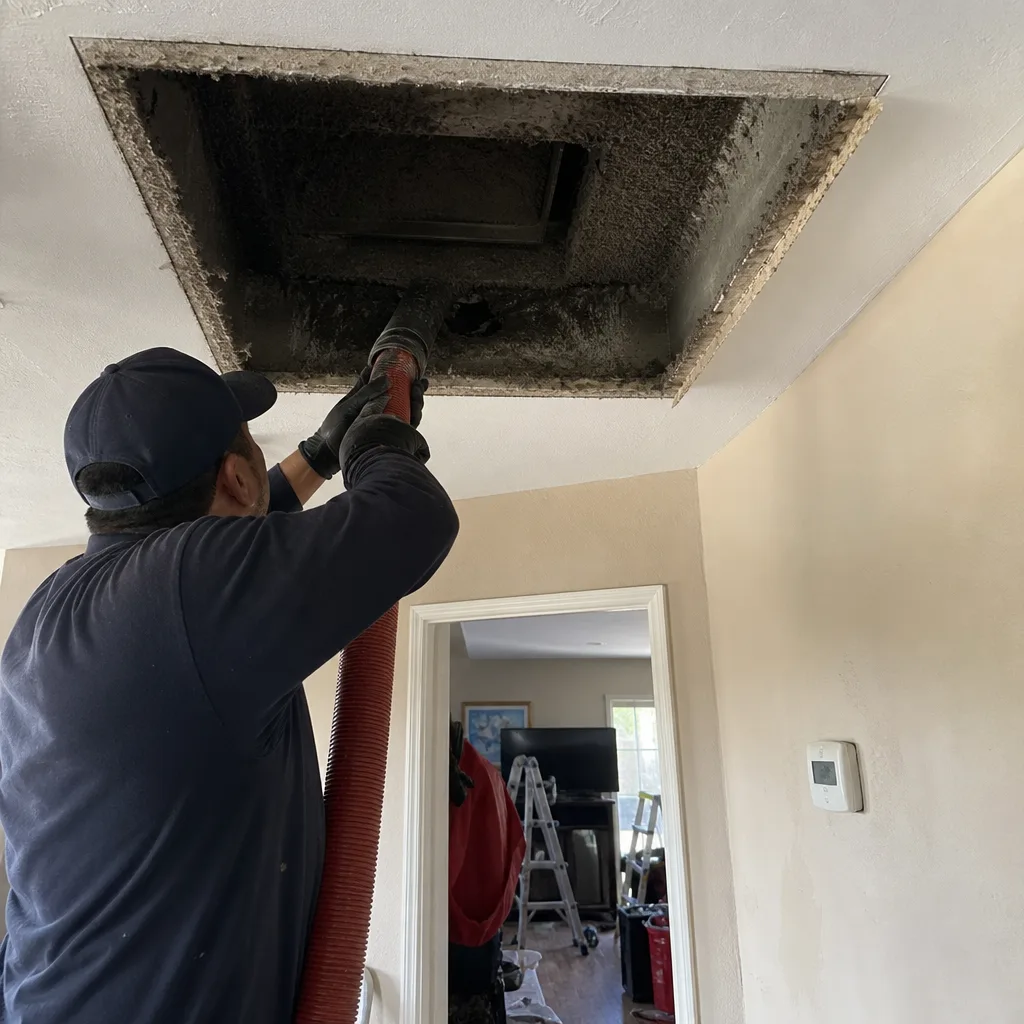 Before
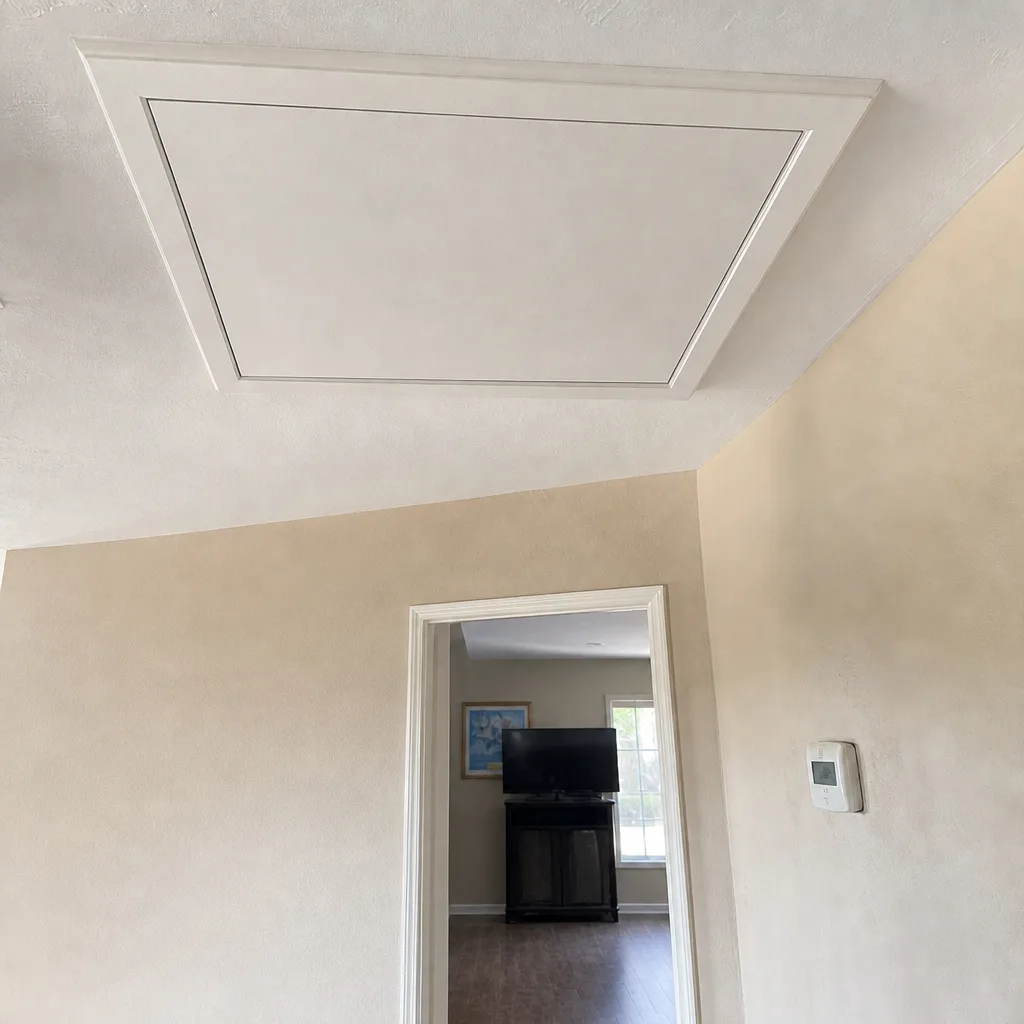 After
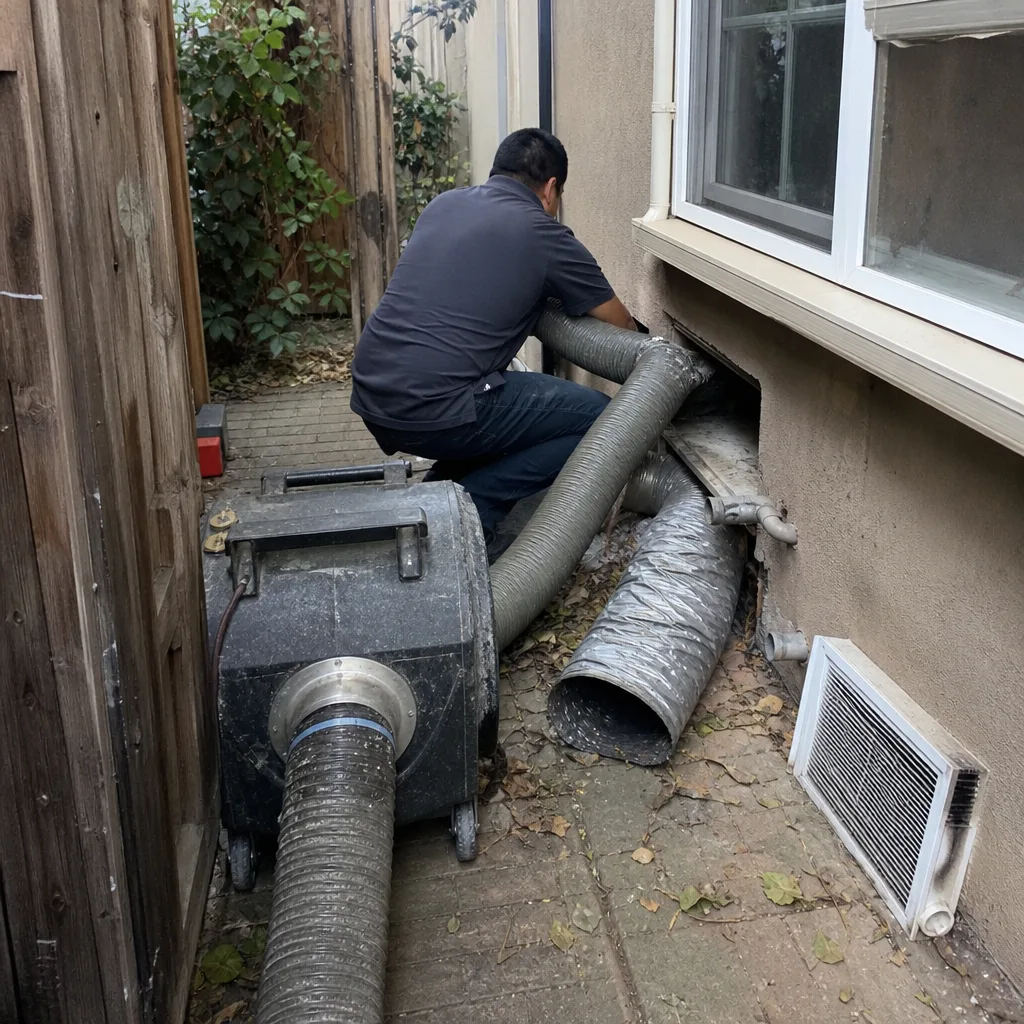 Before
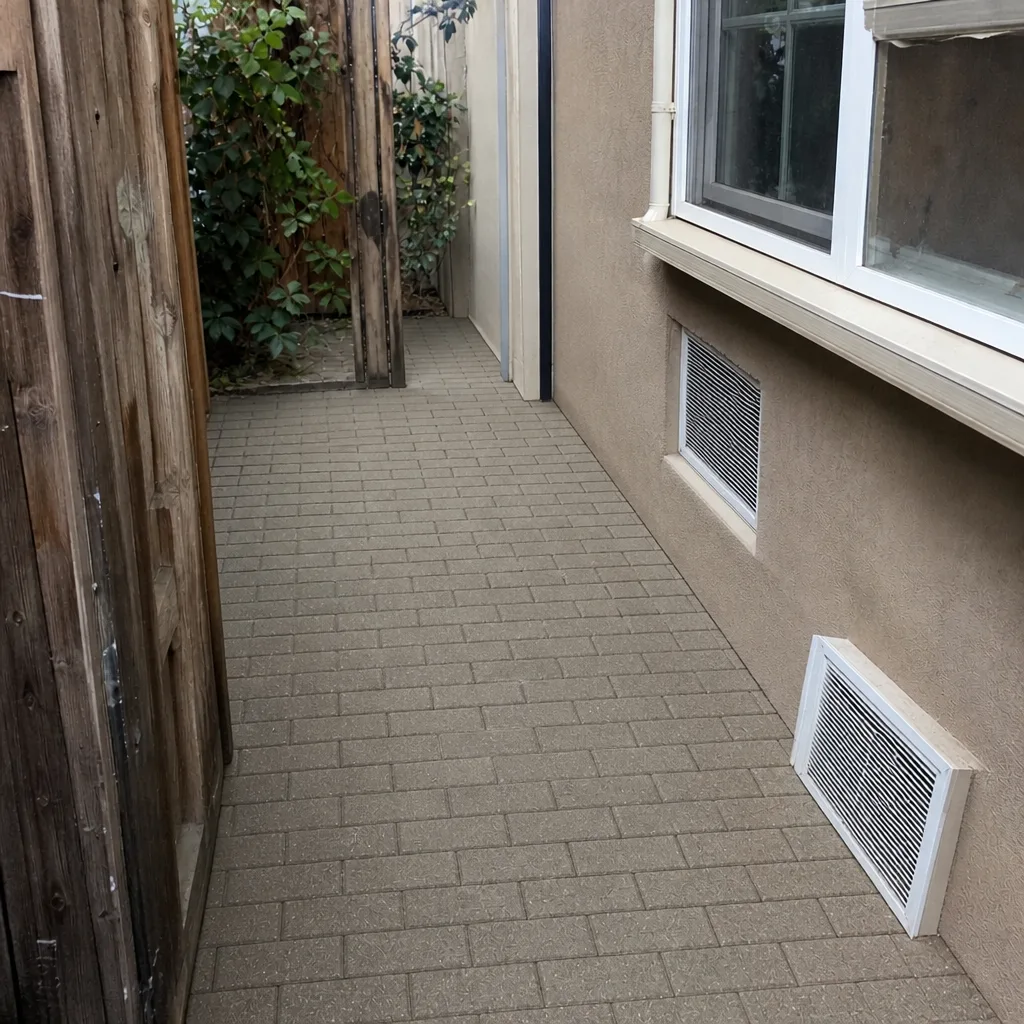 After
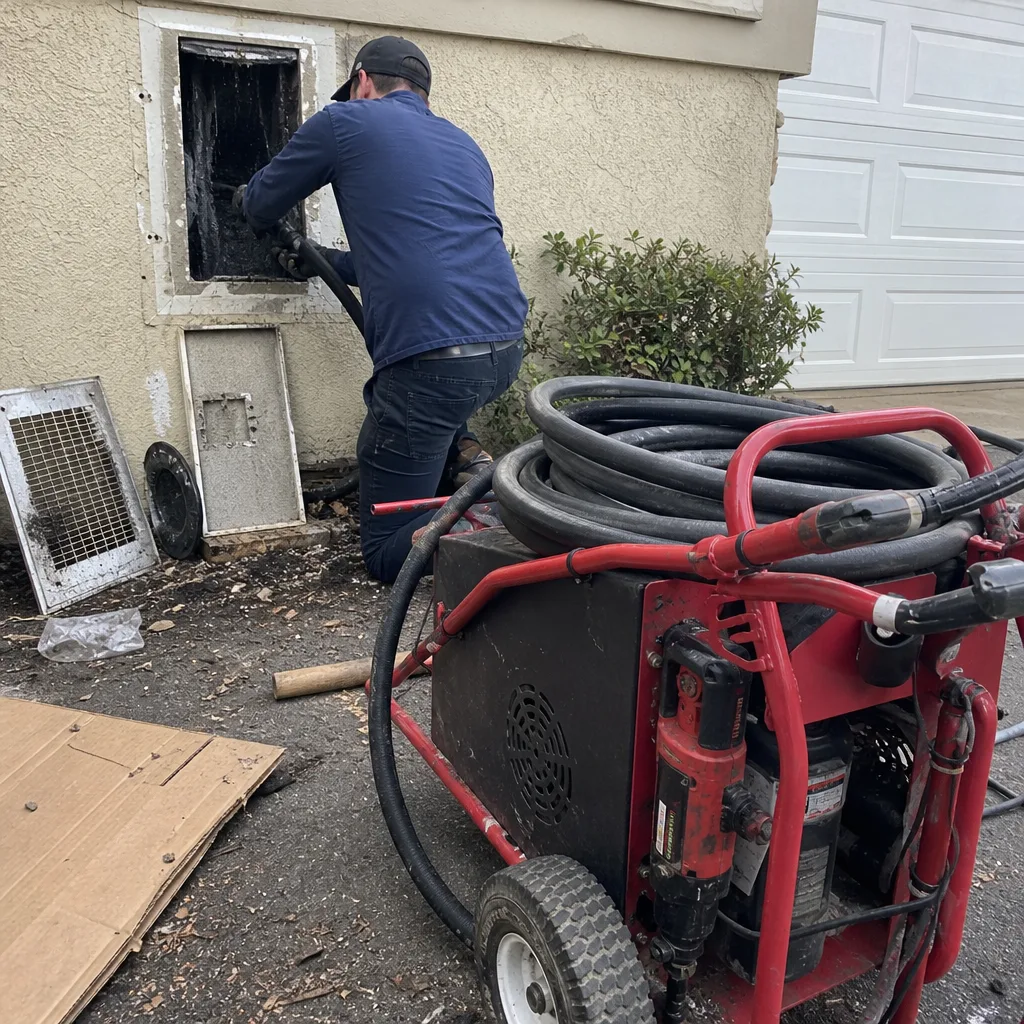 Before
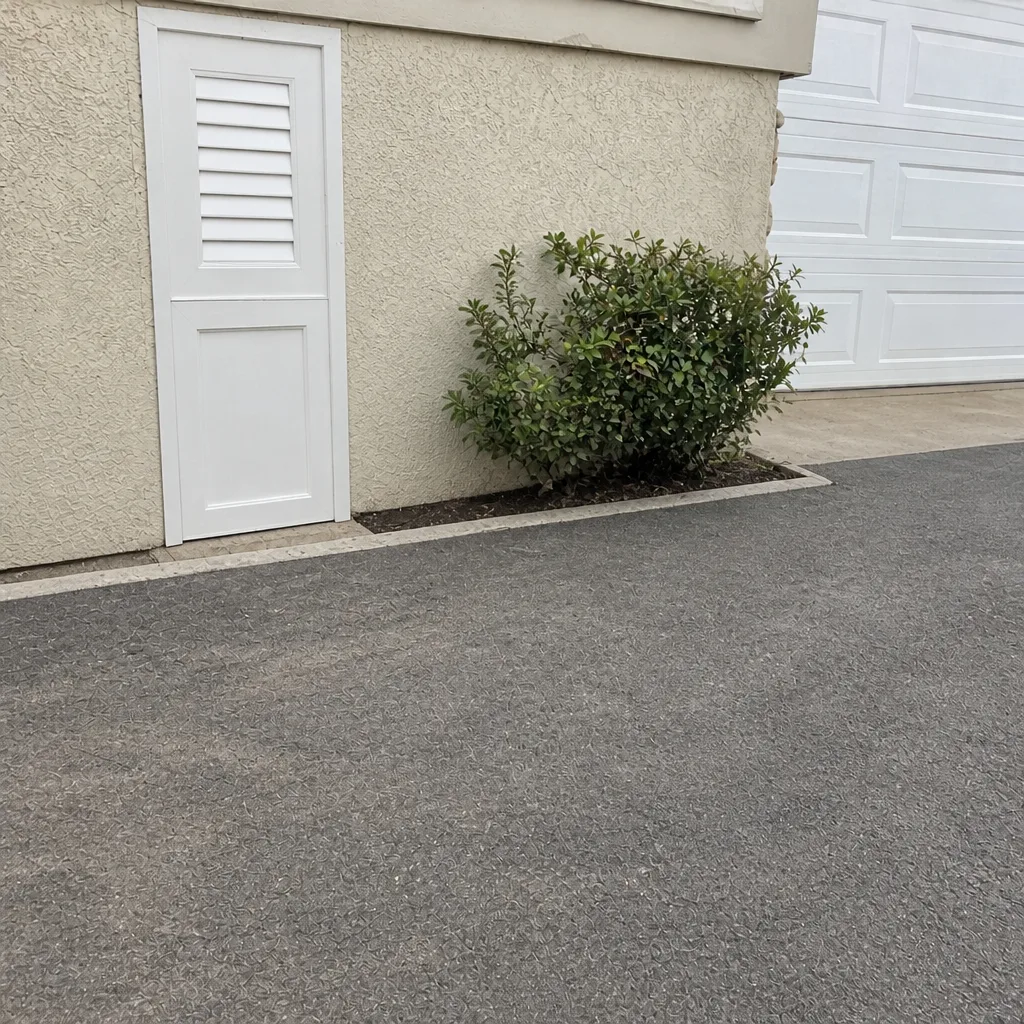 After
When to Call a Professional
Call us when any of the following is true after a smoke or ash event in West Hills: the HVAC system was running during the event, visible ash film is present on registers or on the return grille, smoke odor returns when the blower runs, a new filter loads prematurely, or you are filing an insurance claim and need a written inspection report with scope language. Call us when you’re heading into fire season and want the system cleaned and sealed before the first alert. Call us after an evacuation when the return checklist produces a positive indicator. Air Duct Cleaning West Hills offers free estimates in West Hills: call (855) 658-4109. We answer 24/7. Fast dispatch from 7am to 7pm, Sunday through Friday. One flat price per system agreed before work starts, before-and-after photos of your own ducts, and a satisfaction guarantee. The local pro who performs the work is licensed and insured as the state requires.
Frequently Asked Questions
Yes. Shut it off at the thermostat and at the air handler breaker. A running system on recirculate is not equivalent to a system that’s off, because duct leakage admits outdoor smoke into the return side under pressure. Call (855) 658-4109 for an assessment afterward; estimates are free.
No, recirculate is not a safe substitute for shutoff. Recirculate filters the same indoor air repeatedly while pulling unfiltered outdoor particulate through every leak in the duct shell. If you need filtered air indoors, use a freestanding HEPA room purifier rated for the room volume, not the central system.
The field indicator is a HEPA vacuum test at the registers. If the capture media picks up visible dark particulate even when the register face looks clean, the duct interior is contaminated. Visual ash film on registers, smoke odor on first run, and premature filter loading are the other signals. Call (855) 658-4109 for a professional HEPA test; estimates are free.
Shut the system off at the thermostat, kill power at the air handler breaker, close any fresh air intake, and seal registers with plastic and tape. Close the fireplace damper as well. Replace the filter before you leave if you can do it fast, so the system is starting from clean when you return.
Air quality remediation after a declared disaster event is often covered under homeowner policies, but the claim needs documentation. Photograph the return grille, filter face, and affected registers before cleaning. Save the old filter, bagged and dated. Get a written inspection report that names the equipment used and describes the remediation scope. Call (855) 658-4109 to schedule a documented inspection; estimates are free.
Schedule whole-system cleaning and HVAC cleaning once a year, timed before fire season begins. That gives you a clean starting point before smoke events and refreshes the system at the point in the year when fire risk peaks. Call (855) 658-4109 to book before the next fire season; estimates are free.
The Bottom Line
Emergency preparedness for a West Hills duct system comes down to a sequence. Before a smoke event, shut the system off at the breaker, close the fresh air intake, and swap the filter. During the event, keep it off. Recirculate is not a substitute for shutoff, because the duct shell leaks and pressure does the rest. After the event, run a HEPA vacuum capture test at the registers to decide between a filter swap and professional cleaning, then photograph and log everything if you’re filing an insurance claim. Clean ducts are step one. Sealed, repaired, sanitized ducts are the finish line, and that’s the standard we hold this work to in West Hills.
Call (855) 658-4109 for a free estimate. We answer 24/7. Fast dispatch from 7am to 7pm, Sunday through Friday.
Written by the team at Air Duct Cleaning West Hills.